

What Are the Top Toys 4-Year-Olds Love Most?
The Importance of Independent PlayIndependent play is a fundamental aspect of...

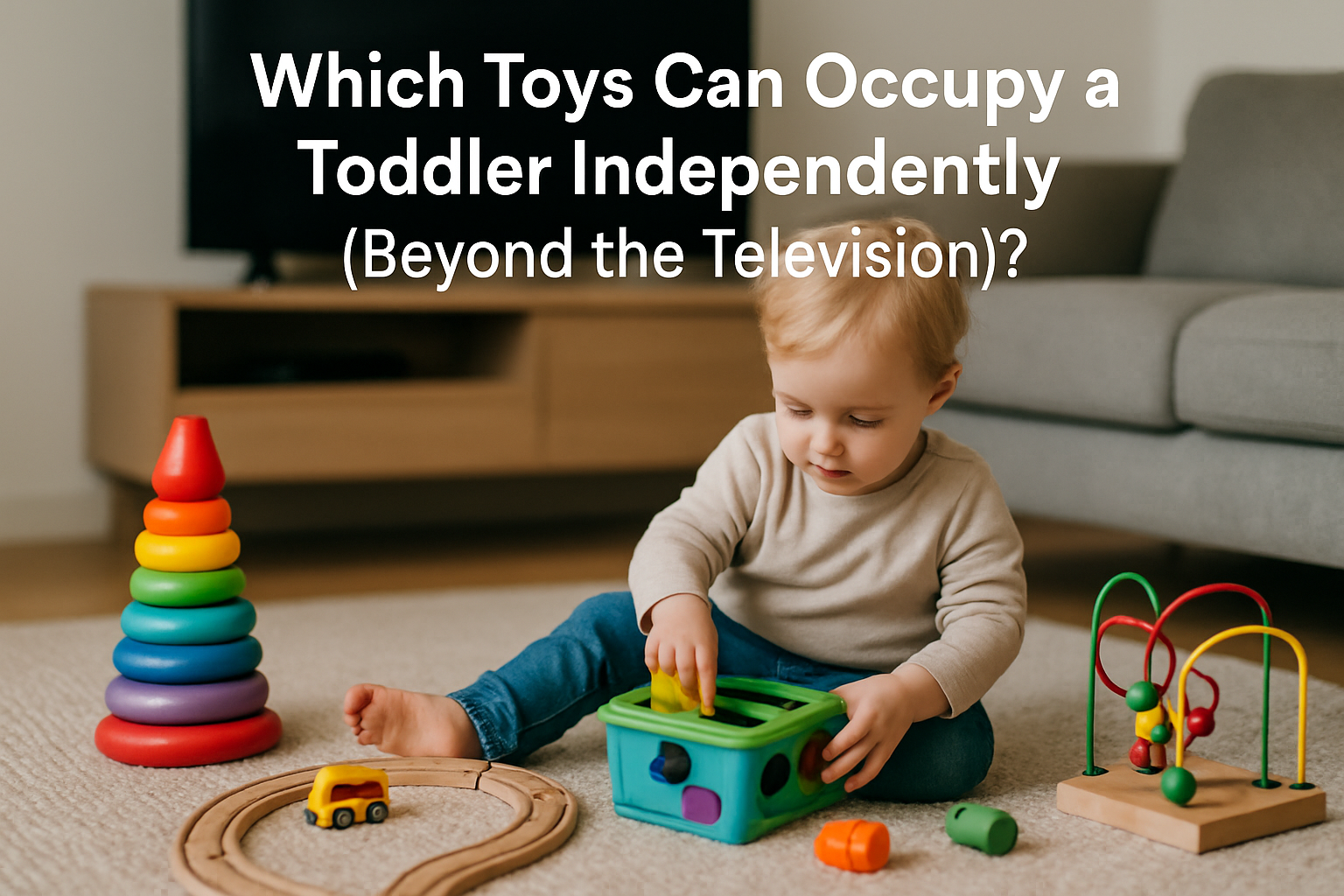

Independent play is a fundamental aspect of childhood development, offering toddlers the opportunity to explore their surroundings and express their creativity without direct guidance. This type of play is not merely a way to keep children occupied; it plays a vital role in their cognitive and emotional growth. By engaging in independent play, children learn to navigate their thoughts, develop their imagination, and discover the world around them. The significance of independent play is underscored by its impact on a child's overall development.
Defining independent play goes beyond just letting children play alone. It involves creating an environment where toddlers can freely engage with their toys and surroundings at their own pace. This type of play is essential for cognitive development as it allows children to engage creatively with their environment. As they manipulate toys, build scenarios, and make decisions about their play, they're not just having fun; they’re honing essential skills. Additionally, independent play grants parents valuable quiet time, as toddlers become engrossed in their activities, allowing caregivers to attend to other responsibilities or recharge their own energy.
Furthermore, independent play is an excellent way for children to learn problem-solving strategies. When faced with challenges during play, toddlers must devise their methods to resolve them, enhancing their critical thinking skills. For instance, a child might experiment with different ways to stack building blocks or figure out how to fit puzzle pieces together. This exploration fosters a sense of accomplishment and self-sufficiency, aiding in building their confidence as they learn that they can solve problems independently.
The benefits of independent play extend beyond creativity; they also promote critical skills that are crucial for lifelong learning. By engaging in independent play, children can develop their cognitive abilities and enhance their problem-solving skills. The act of navigating challenges during playtime helps prepare toddlers for future real-life situations, instilling resilience and adaptability in them.
Moreover, independent play cultivates creativity and imagination. When children are left to their devices, they often create elaborate scenarios and engage in imaginative role-playing that enriches their play experience. This type of unstructured play mirrors real-world situations and helps toddlers to understand and practice social skills, even when they are playing alone. Additionally, creative play allows children to express their thoughts and feelings uniquely, fostering emotional development.
In summary, independent play is a multifaceted experience that significantly benefits toddlers' cognitive, emotional, and social development. By providing children with the freedom to explore and engage with their world, we lay the groundwork for confident, creative individuals poised to tackle the complexities of life. As parents and caregivers, fostering an environment that encourages independent play is essential for nurturing the next generation of thinkers and creators.
Open-ended toys are the cornerstone of fostering independent play among toddlers. These types of toys, such as building blocks and craft kits, offer versatile play possibilities that support creativity and imagination. Unlike conventional toys that provide a set way to play, open-ended toys encourage children to explore various scenarios and outcomes. For example, building blocks can be transformed into anything from a simple tower to an intricate castle based on a child’s unique vision. This flexibility allows children to express themselves freely, leading to rich imaginative play and personal storytelling.
In addition to supporting creative thought, open-ended toys nurture problem-solving skills. As toddlers interact with these toys, they encounter challenges that stimulate critical thinking. Whether figuring out how to connect blocks or deciding how to create their craft project, children learn to navigate through their thought processes independently. This not only boosts their confidence but also prepares them for more complex problem-solving tasks in the future, both in play and in life.
Moreover, these toys facilitate social skills when play occurs in group settings, promoting cooperation and communication. Children can collaborate on projects, share ideas, and even negotiate roles in their imaginative scenarios. Ultimately, open-ended toys invite toddlers into a world of possibilities, allowing them to create, explore, and learn at their own pace.
Sorting and counting toys offer a delightful way for toddlers to engage with fundamental concepts in a playful manner. These toys typically involve colorful objects or shapes that children can arrange and categorize, keeping them entertained for hours. Engaging with sorting activities hones their cognitive skills as they learn to recognize patterns, understand differences, and organize items based on various attributes. This process not only makes learning fun but also encourages independent play, allowing children to explore these concepts in a stress-free environment.
Incorporating counting elements into play introduces foundational math skills at an early age. By counting objects, toddlers become familiar with numbers and basic arithmetic in a natural way. For instance, they might group toys into sets of three or identify how many blocks are needed to complete a structure. This engagement builds a strong mathematical foundation while helping to develop logical reasoning. As children work independently with these toys, they also cultivate concentration and focus, enhancing their ability to sustain engagement in a task.
The strength of sorting and counting toys lies in their ability to adapt to various skill levels. Toddlers may start with simple sorting activities and progress to more complex tasks as they grow. This continuous evolution keeps them challenged and motivated, inherently supporting independent exploration without the need for direct adult supervision. Ultimately, these toys make learning vibrant and interactive, perfectly suited for nurturing a child’s early developmental stages.
Puzzle and construction toys are essential for developing logical thinking and spatial awareness in toddlers. As children manipulate puzzle pieces to find where they fit, they practice critical cognitive skills such as problem-solving and pattern recognition. Working independently on puzzles allows toddlers to work at their own pace, which fosters self-reliance and a sense of achievement as they successfully complete each challenge. This engagement with shapes and patterns enhances their ability to visualize spatial relationships, which is vital for later learning in mathematics and sciences.
On the other hand, construction toys empower toddlers to engage in creative problem-solving as they build structures. These toys often promote imaginative thinking, as children contemplate the designs they want to create—whether a simple house or more elaborate structures. The independence that comes with constructing toys leads to a profound sense of ownership over their creations, further enhancing their self-esteem and enjoyment. Children learn to experiment with different configurations, encouraging them to revisit and refine their work based on their experiences.
Incorporating puzzles and construction toys into playtime also reinforces social skills during group interactions. Children may share ideas and work collaboratively on building projects, learning to communicate effectively with their peers. This social aspect of puzzle-solving and construction play strengthens their ability to cooperate and negotiate, essential skills for future interactions. By providing opportunities for independent exploration while fostering cognitive and social growth, these toys serve as invaluable tools in the early stages of development.
Creative play sets, such as inflatable forts and similar imaginative toys, play a significant role in encouraging youth explorations and storytelling. These toys provide a canvas for children to create their unique play environments, sparking creativity and narrative development. For instance, with an inflatable fort, children can reinvent countless scenarios, whether battling imaginary dragons or hosting a tea party for their stuffed animals. This independence in creating and directing their play leads to a deep sense of ownership over their imaginary worlds, allowing them to explore different roles and perspectives.
Furthermore, creative play sets stimulate the development of social-emotional skills. As children craft their scenarios, they learn to process their emotions and experiences, using play to explore real-life situations in a safe space. This play can act as a coping mechanism for toddlers, helping them articulate feelings and negotiate challenges through imaginative storylines. Moreover, as friends join in the play, they learn cooperation, empathy, and sharing, enriching their interpersonal skills and emotional intelligence.
These types of toys also encourage autonomy as children engage in self-directed activities without direct adult intervention. By allowing toddlers the freedom to navigate their play, they are more likely to express their preferences and assert their choices, reinforcing their sense of self. Ultimately, creative play sets are more than just toys; they are vital instruments for fostering independent play and promoting a child’s imaginative and social development.
Art and craft supplies are integral for stimulating creative expression among toddlers while promoting independent play. Utilizing various materials, such as colored paper, safe scissors, and mess-free art supplies, allows children to explore their creativity without relying on adult facilitation. Crafting with these tools helps toddlers express their thoughts and feelings, giving them an outlet to navigate complex emotions through art. This means that special attention should be given to providing materials that balance creativity and safety, paving the way for toddlers to manipulate their supplies freely.
Not only do these art and craft activities foster self-expression, but they also significantly contribute to developing fine motor skills. As toddlers cut, glue, and create, they engage in actions that refine their hand-eye coordination and dexterity. This is particularly crucial for their overall development, as these skills are foundational for more complex tasks later, such as writing and typing. Through independent exploration of art materials, children learn to manipulate objects with greater precision, enhancing their confidence in their abilities.
Moreover, art activities can be tailored to suit all interest levels, ensuring that every child can find joy in creation. Whether a toddler is just beginning to explore colors with finger paints or tackling more intricate collage projects, there’s a fantastic range of possibilities for independent engagement. Art and craft supplies serve not only as tools for creativity but as gateways for toddlers to develop their identities and capabilities. Through artistic endeavors, children develop resilience, patience, and an appreciation for the creative process, all while promoting independent play.
Interactive learning toys are designed to captivate toddlers while enhancing their early learning experiences. These toys engage children with stimulating questions and activities that focus on fundamental concepts like letters, numbers, and shapes. Toddlers, curious by nature, are drawn to the interactive elements of these toys, allowing them to explore educational material in a playful context. The autonomy these toys offer empowers children to interact independently, fostering a sense of agency while they learn.
As toddlers engage with interactive toys, they practice independent exploration, reinforcing their confidence in learning. The immediate feedback provided by these toys encourages repeated engagement, as children discover how their actions lead to results. For instance, hearing the articulation of a letter when pressed may inspire further exploration as toddlers endeavor to learn more letters independently. This self-directed learning approach provides a significant advantage in developing cognitive skills and enthusiasm for education.
Furthermore, interactive toys often incorporate a variety of activities, ensuring that play remains fresh and engaging. The blend of auditory, visual, and kinesthetic elements helps cater to different learning styles, making them effective tools for a diverse group of toddlers. As children independently manipulate these toys, they build foundational skills critical for success in early childhood education. Ultimately, interactive learning toys represent a joyful way for toddlers to explore, learn, and grow, all while promoting vital independent play.
Establishing safe play environments is the foundation for fostering independent play among toddlers. These designated spaces should be secure and free from potential hazards, allowing children to explore freely and without constant supervision. Parents and caregivers can start by selecting areas in the home where toddlers can safely engage with their surroundings—ideally, a space where sharp objects, choking hazards, and breakable items are out of reach. Additionally, using soft mats or carpets can cushion falls and provide a comfortable environment for active play.
Beyond physical safety, it's essential to minimize distractions that can disrupt a toddler's ability to engage in independent play. The omnipresence of electronic devices can often divert young attention spans. Therefore, creating a play environment that is free from these distractions can significantly enhance a toddler's ability to concentrate on play. Setting clear boundaries around screen time, especially during play hours, encourages children to rely on their imagination and creativity as they engage with their toys and play settings.
Moreover, incorporating elements from nature can enrich these safe play environments. Natural materials such as wood, leaves, and stones can inspire toddlers to explore textures and shapes, enhancing their sensory experiences. By thoughtfully curating the surroundings, caregivers can create an inviting space that promotes exploration, creativity, and, ultimately, independent play.
One effective strategy to foster independent play is to engage toddlers with novelty. This can be achieved by regularly rotating toys and introducing new options. By changing the available toys, children are provided with fresh stimuli that reignite their interest and imagination. Such regular updates not only maintain a level of excitement around playtime but also challenge toddlers to think creatively and explore new ways to engage with their environment.
Setting up thematic play areas can further captivate a toddler's attention. By organizing toys and materials around specific themes—like a mini kitchen, a construction site, or a garden—caregivers can create immersive environments that encourage role-playing and storytelling. These thematic setups stimulate children's imaginations, allowing them to immerse themselves fully in their play. As toddlers engage in these environments, they develop problem-solving skills and resilience, learning to navigate challenges independently.
Transitioning to novelty also involves being responsive to a child's evolving interests. Observing what captures a toddler's attention can inform decisions regarding which toys to rotate or themes to introduce. Encouraging them to help in the selection of new toys fosters autonomy and ownership over their play experiences. As children actively participate in this process, they become more inclined to engage independently, leading to a more meaningful and enriching play experience.
Building blocks are a timeless favorite among children and an essential tool for fostering creativity and developing fine motor skills. As kids stack, balance, and arrange these blocks, they engage in imaginative play that stimulates their problem-solving abilities. The tactile experience of manipulating various shapes encourages spatial awareness and hand-eye coordination, essential skills for lifelong learning. Furthermore, as children explore multiple ways to build and create, they learn the value of persistence and patience when they encounter challenges.
These blocks come in diverse forms, including wooden and magnetic varieties, offering different play experiences suited to various age groups. Wooden blocks tend to be sturdy and can withstand rough play, making them a go-to option for younger children. Magnets, on the other hand, introduce a new layer of excitement with their ability to connect and build in unique ways, allowing for imaginative structures that defy gravity. This diversity in block types enhances the overall play experience, encouraging children to experiment and explore as they learn.
Ultimately, building blocks are not just toys; they are foundational tools for development. By providing a platform for creative expression and physical skill enhancement, they support cognitive growth and social interaction when children collaborate on building projects. As such, building blocks serve as a cornerstone in any child's independent playtime, fostering a love for learning through hands-on exploration.
Puzzles represent another significant category of independent play toys that greatly aid cognitive development and critical thinking skills in children. They require young minds to engage in pattern recognition, logical thinking, and problem-solving. As children work through various challenges, they learn to analyze parts of the whole and develop strategies for completing tasks. This process not only enhances their ability to focus and concentrate but also promotes resilience as they navigate obstacles while trying to fit pieces together.
The vast variety of puzzles available caters to different age groups and skill levels, making it easy for caregivers to find the right fit. From simple two-piece puzzles for toddlers to complex jigsaw puzzles for older children, each puzzle presents a unique challenge that can evolve as the child's abilities grow. Age-appropriate puzzles can also support developmental milestones, allowing children to progress at their own pace while continuously challenging themselves.
Importantly, puzzles can be enjoyed both independently and in group settings, making them versatile tools for play. As children tackle puzzles together, they practice communication skills, teamwork, and shared problem-solving, all of which are vital for social development. Thus, puzzles not only entertain; they serve as powerful tools for nurturing critical cognitive and social abilities.
Art supplies hold a special place in the realm of independent play toys, serving as an avenue for limitless creativity and self-expression. Whether it is through crayons, markers, or stickers, these materials invite children to unlock their imaginations. Engaging in creative art projects allows kids to represent their thoughts and emotions visually while honing fine motor skills in the process. The act of drawing, coloring, or crafting becomes a foundational experience that encourages artistic expression and inventiveness.
Setting up a dedicated space for art supplies can dramatically enhance engagement and inspire creativity. A well-organized art corner equipped with various materials empowers children to embark on artistic journeys whenever they feel inspired. Such an environment not only fosters independence by allowing children to create on their own terms but also provides opportunities for exploration and experimentation. Children can learn to combine colors, discover different textures, and develop their unique artistic styles, contributing to their overall sense of self.
Moreover, art activities can also facilitate social interaction when children share materials and ideas with peers. Art can be a collaborative process, inviting children to work together on projects and develop essential social skills. Thus, art supplies are more than mere toys; they serve as instruments for creative growth, empowerment, and connection in a child's independent play experience.
Pretend play sets create a vibrant space for children to engage in role-playing and explore various social roles through imaginative storytelling. Whether it's a toy kitchen, a doctor kit, or a playhouse, these sets allows kids to mimic real-life situations they observe in their daily lives. This type of play is essential for the development of social skills and emotional intelligence, as children learn to navigate their understanding of the world around them. By stepping into different roles, they develop empathy, communication skills, and the ability to assess various perspectives.
Moreover, pretend play fosters critical thinking and problem-solving capabilities. Children encounter scenarios that require them to make decisions and resolve conflicts, aiding in their cognitive development. As they act out different roles, they also practice negotiating, planning, and improvisation, which are vital skills they will carry with them into adulthood. This type of imaginative play is particularly beneficial in cultivating a child's confidence, as they express themselves creatively while experimenting with different identities.
The versatility of pretend play sets allows for open-ended play, meaning there are no strict rules. This freedom invites children to construct their narratives and scenarios, making each play session unique. As a result, pretend play becomes a critical aspect of independent play that can lead to hours of engagement, reflection, and skill-building in a child's developmental journey.
Interactive books provide an engaging way for children to explore literacy and storytelling in a manner that captivates their attention. Usually filled with flaps, textures, and various interactive elements, these books stimulate a child’s curiosity and participation in reading. This type of engagement enhances their sensory experience, making the act of reading more enjoyable and encouraging a lifelong love for books. As children touch and manipulate elements within the book, they not only follow stories but also actively engage with the content.
These books are particularly effective in promoting independent reading among young learners. By integrating physical interaction with storytelling, children can better connect with the narratives and characters, enhancing their overall comprehension. As they encounter new words, they build vocabulary and linguistic skills, guiding them closer to literacy mastery. The tactile elements empower them to feel in control of their learning process, which is crucial for developing confidence and autonomy in reading.
Furthermore, interactive books often cater to various age groups, providing different levels of complexity to meet the evolving needs of young readers. This variety ensures that children can continue to benefit from these resources as they grow, exploring more intricate stories and interactive features. In this way, interactive books stand out as powerful tools for enhancing both independent exploration and literacy skills in young children, fostering a love for reading that can last a lifetime.
Selecting toys for toddlers necessitates a clear understanding of their developmental stages. At this age, children experience rapid growth in various areas, including physical, cognitive, and emotional development. Understanding these stages is vital for choosing toys that not only fit their age but also their developmental abilities. Toys that cater to these aspects can significantly enhance a toddler's learning and growth.
One essential approach is identifying suitable toys based on the toddler's age and abilities. For younger toddlers, around 12 to 24 months, it's beneficial to focus on toys that promote gross motor skills and sensory experiences. Items like soft blocks or push-and-pull toys can help develop their balance and coordination. As children approach the age of two, their interest in imaginative play increases. Toys that involve role-playing scenarios, such as animal figures or simple costume items, foster creativity and help them begin to understand everyday life.
Moreover, the importance of selecting toys that remain manageable cannot be overstated. While it's essential to encourage creativity, overly complicated toys can lead to frustration. Opting for items that are easy to manipulate and understand encourages toddlers to experiment and explore autonomously. For instance, shape sorters and stacking toys can help toddlers grasp basic concepts like shapes and sizes without overwhelming them. Toys should not only captivate their attention but also be simple enough to ensure that the learning experience remains positive, motivating continued engagement and discovery.
Transitioning to toys that promote creativity as toddlers develop requires careful consideration. By the time they reach two to three years, children may benefit from artistic supplies like crayons and paper, allowing for open-ended creative expression. Encouraging this type of play nurtures their imagination and fine motor skills, proving to be an effective way to support their developmental journey.
By understanding these key aspects regarding developmental stages and focusing on appropriate toys for toddlers, caregivers can create an enriching play environment. Selecting the right toys helps lay a strong foundation for learning and growth, ensuring children can enjoy their playtime while developing essential skills.
Setting up a toddler play area that encourages independent play is essential for fostering creativity and self-reliance. When planning the setup, one of the primary strategies is to select open-ended toys. These types of toys allow children to explore their imagination and creativity in diverse ways. Instead of structured toys that limit outcomes, opt for items that can be manipulated, assembled, or interacted with in multiple manners. This way, children can invent their own games, play scenarios, and use their problem-solving skills. Consider including blocks, art supplies, or sensory materials, which can enhance exploration and engagement.
In addition to choosing the right toys, creating a child-safe environment is vital. Ensure that the play area has soft surfaces, minimal sharp objects, and secure furniture. Safety gates may also help delineate specific areas where toddlers can freely roam without risk. It is beneficial to arrange the space so that it feels welcoming and accessible to young children. Use child-sized furniture, seating options, and storage solutions that they can reach. A well-organized space with designated areas for various activities promotes independent exploration, as toddlers will grow more confident in navigating their surroundings.
Moreover, it’s important to regularly assess and rotate toys and materials in the play area. This keeps the environment fresh and continually stimulates a child's interest. Engaging with different textures, colors, and shapes can reignite enthusiasm and curiosity, encouraging longer independent play sessions. By providing an intentionally designed space filled with open-ended, stimulating items, parents can cultivate a nurturing environment that supports independent exploration.
Incorporating routines into independent playtime is another effective strategy for fostering a child’s play habits. Making independent play a part of the daily routine can help children anticipate this time as a regular and enjoyable aspect of their day. For instance, dedicate specific blocks of time in the morning or afternoon solely for independent play. This not only establishes consistency but also helps toddlers understand the value of self-play as part of their daily life.
As children become accustomed to the idea of playing independently, gradually increasing their playtime duration can significantly strengthen their skills and confidence. Start with shorter intervals, allowing them to explore within five to ten minutes, and slowly extend this time as they demonstrate comfort and engagement. This incremental approach helps children build up their ability to entertain themselves, leading to longer periods of self-directed play.
Supporting independent play should also include encouragement and positive reinforcement. Celebrate their initiative when they successfully engage in play alone, reinforcing the idea that their creativity and imagination are valued. Over time, this helps children not only appreciate their ability to play independently but also supports essential developmental milestones related to autonomy and social skills. Incorporating routines in this way creates a foundation for a positive, self-sufficient mindset as they grow.
Open-ended toys are a fantastic way to nurture creativity and imagination in children. These toys, which include magnets, blocks, and various art supplies, allow kids to engage in imaginative play without structured guidelines. By providing children with these versatile tools, they are not just playing; they are creating their own worlds and narratives. The beauty of open-ended toys lies in their ability to foster self-discovery. As children manipulate and combine different elements, they learn problem-solving skills and develop their creativity at their own pace.
Engagement with open-ended toys also enhances cognitive abilities. For instance, when children build structures with blocks, they experiment with balance, gravity, and spatial awareness. Art supplies, on the other hand, encourage children to express their feelings and thoughts visually, giving them a sense of control over their creations. This form of play is unrestrained and allows children to explore their interests deeply. Encouraging kids to think outside the box and construct layers upon their ideas not only keeps them occupied but also instills confidence in their creative abilities.
Additionally, these toys can be enjoyed in solitude, making them perfect for quiet playtime. As children dive into their imaginative worlds, they learn to entertain themselves and develop a sense of independence. The lack of predefined scenarios means that each play session can yield new experiences and outcomes. This dynamic provides children with a rich foundation for creativity, setting the stage for future learning and exploration in diverse areas.
Battery-free toys serve as an enriching alternative to electronic playthings, focusing on hands-on engagement. Examples that fall under this category include play dough, wooden blocks, and traditional puzzles. These types of toys promote active participation rather than passive consumption, encouraging children to think critically. The tactile experience of manipulating materials enhances sensory awareness, which is integral to holistic childhood development.
Play dough, for instance, offers endless possibilities for creative expression. Children can shape, mold, and transform the dough into anything their minds envision. This analog engagement fosters imaginative play while developing fine motor skills through rolling, squishing, and cutting. Similarly, wooden blocks invite children to construct and deconstruct their designs, providing lessons in geometry and physics without them even realizing it. Not only are these activities enjoyable, but they also reinforce essential skills through play.
Moreover, puzzles serve as a fantastic way to engage a child’s mind individually. These interactive pieces require focus and patience, helping enhance problem-solving skills as children work to fit shapes together. Completing a puzzle not only brings joy but also provides a sense of accomplishment, boosting a child's self-esteem. By choosing battery-free toys, parents can encourage consistent play that promotes creativity while steering clear of screen time, which can overshadow the rich learning benefits that come from engaging with tactile, imaginative materials.
Imaginative play is an essential part of child development, providing opportunities for children to engage with their surroundings in a creative and meaningful way. Toys that encourage this type of play are carefully designed to stimulate the imagination, enabling young minds to explore various roles, scenarios, and stories. Among these, realistic toy animals and food sets stand out as favorites that support role playing and storytelling.
Realistic toy animals serve as excellent tools for children to create narratives that reflect their understanding of the world. These toys not only mirror the real characteristics of various animals but also allow for flexible storytelling. For example, a child can imagine themselves as a zookeeper or a veterinarian, which facilitates role play. This type of immersive engagement fosters creativity and critical thinking, as children experiment with different roles and scenarios, subsequently developing important social skills in the process. Moreover, by interacting with these toys, children can learn about nature and animal behaviors, thus enhancing their knowledge while having fun.
Similarly, food sets play a crucial role in imaginative play by providing children with the opportunity to engage in social scenarios that emulate everyday life. These sets can include a variety of food items, kitchenware, and dining accessories, enabling children to reenact mealtime situations. By doing so, they can practice social interactions, such as sharing and cooperation. This not only enhances their communication skills but also supports understanding of cultural practices associated with food. When children 'prepare' meals or host a pretend dining experience, they connect with others, learn about responsibility in a playful context, and refine their cognitive skills.
In addition to realistic animals and food sets, art supplies are another essential category of toys that promote imaginative play. Providing avenues for self-expression, these materials allow children to dive into their creativity by drawing, painting, or crafting. Art encourages exploration and experimentation, enabling children to communicate their thoughts and feelings visually. The process of creating art pieces can also bolster emotional development, as it helps children work through various emotions and experiences. Overall, combining different types of toys—such as realistic role play items and art supplies—creates a well-rounded environment that nurtures imaginative play. Children can enhance their creative abilities while effectively developing skills necessary for their growth and learning.
Independent play is essential for children's development, fostering creativity, problem-solving skills, and self-regulation. Through engaging in self-directed activities, children learn to explore their environment, develop their imagination, and build confidence in their abilities. This form of play not only cultivates cognitive skills but also encourages emotional and social intelligence as they navigate interactions with peers or enjoy solitary play. In summary, parents should recognize the invaluable benefits of allowing their children to engage in independent play as a crucial component of their growth.
The toys discussed herein serve to enhance independent play experiences. Open-ended toys, such as blocks and art supplies, enable children to use their imagination and create unique narratives while utilizing their motor skills. Furthermore, nature-based playthings encourage exploration and interaction with the outdoors, prompting curiosity and environmental awareness. Each type of toy promotes different perspectives on play, ultimately contributing to a more well-rounded development. By understanding how various toys can support independent play, parents can make informed choices that align with their child's interests and developmental needs.
As parents contemplate their options, exploring various types of independent play resources becomes vital. Each child is unique, with distinct preferences and needs; thus, the process of selecting suitable toys should be tailored to fit these individual characteristics. Engaging with children in discussions about their interests can help guide these choices. Additionally, considering the benefits of both traditional and contemporary toys broadens the available options. In doing so, parents will empower their children to thrive in their play experiences and cultivate lifelong skills that extend beyond the playroom.



The Importance of Independent PlayIndependent play is a fundamental aspect of...
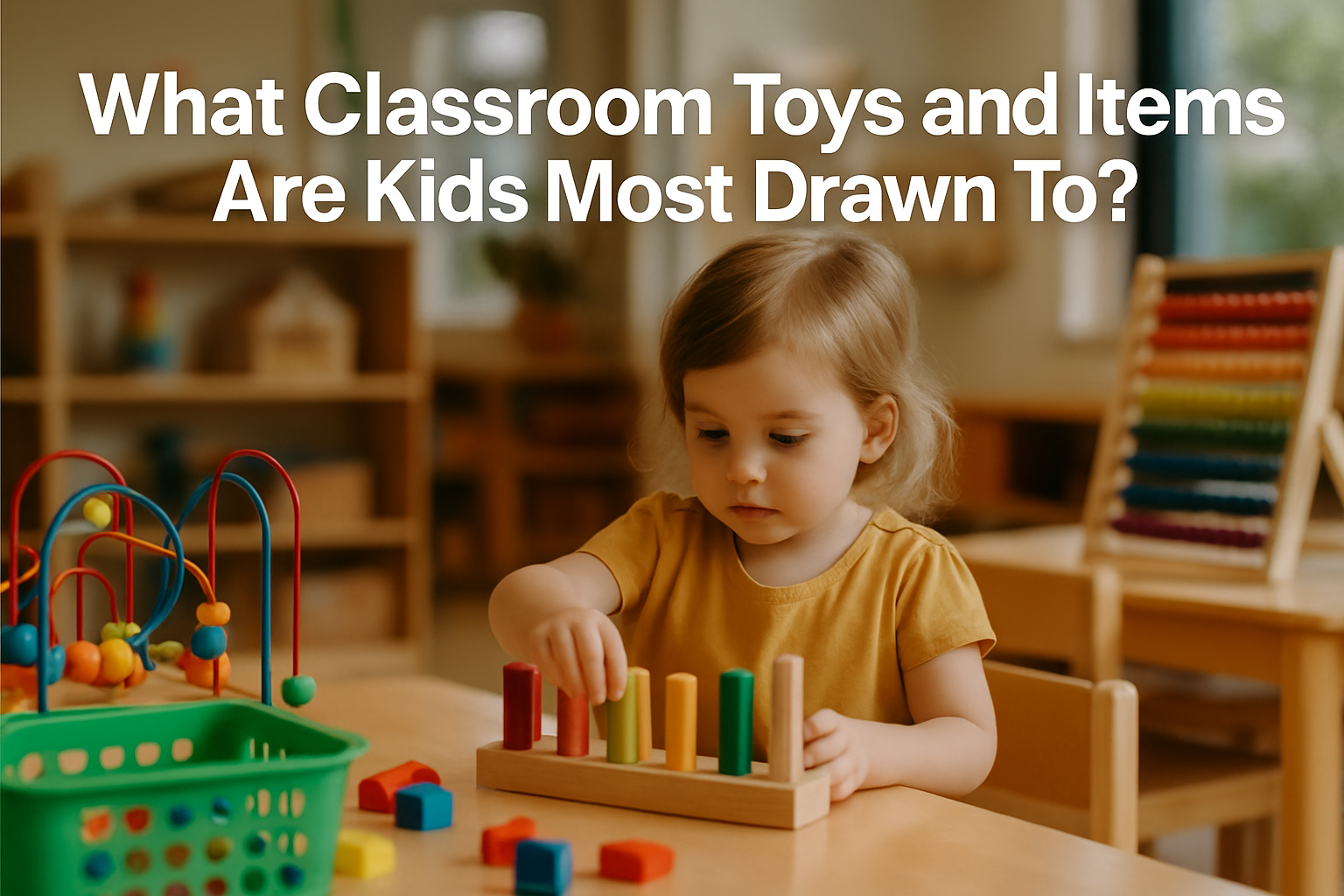

The Importance of Independent PlayIndependent play is a fundamental aspect of...