Cyber Monday 2026 Tech Gift Guide: Smart Toys That Teach
IntroductionThe Importance of Screen-Free PlayEngaging in screen-free play is...

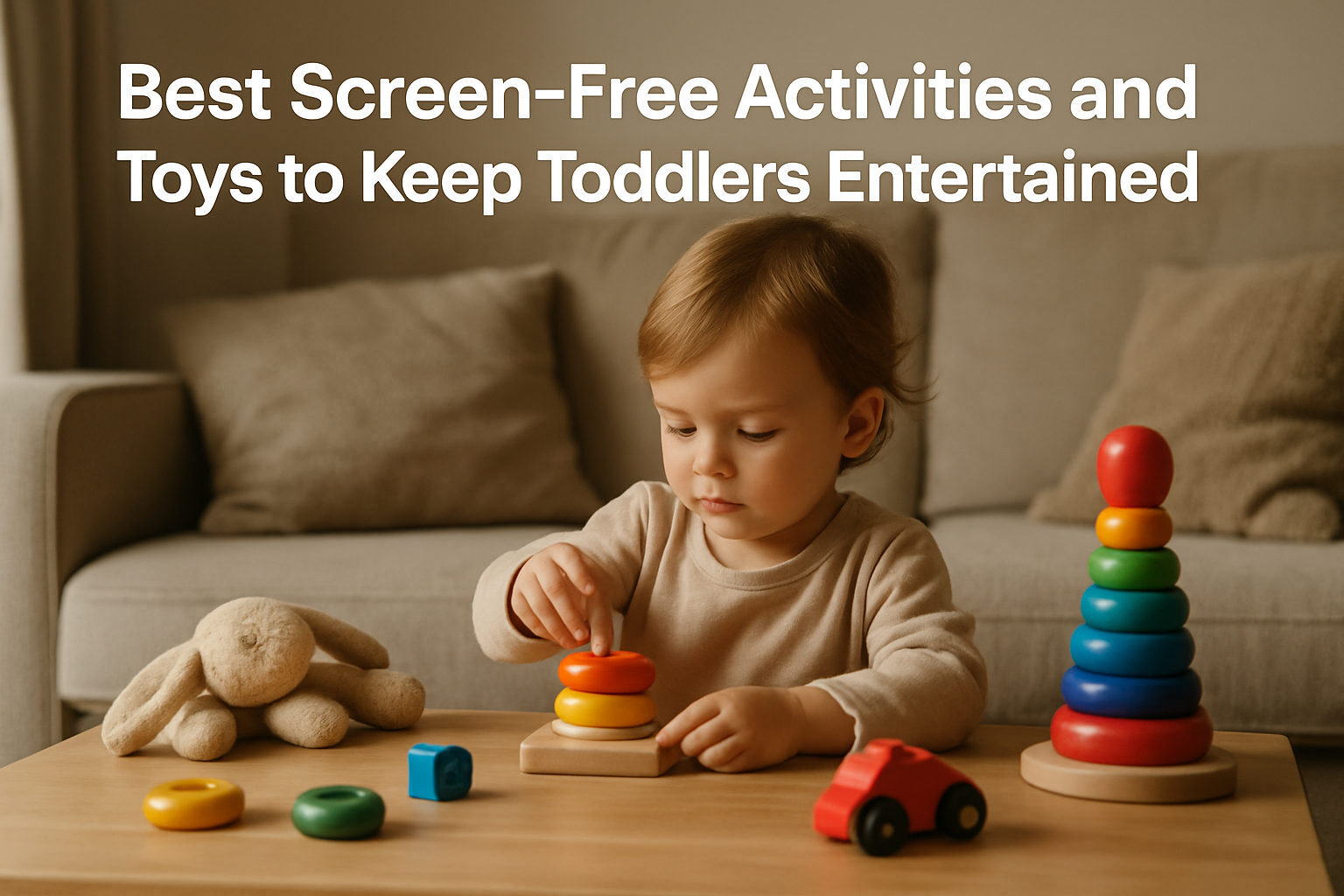

Engaging in screen-free play is vital for toddlers as it opens doors to creativity, imaginative exploration, and the development of essential skills. Far from merely avoiding screens, engaging in these activities promotes a profound foundation for cognitive and emotional growth. At a time when the interactive world of technology increasingly captivates the attention of young children, encouraging them to embrace physical, hands-on play experiences becomes even more essential.
One of the primary advantages of screen-free activities is their ability to spark creativity and imagination. Children often derive immense joy from using their environment, props, and simple materials to create their own adventures. Whether it's building a fort from pillows or transforming a cardboard box into a spaceship, these imaginative pursuits allow toddlers to engage in free play, making their surroundings a canvas for creativity. This open-ended play not only fosters innovative thinking but also serves as a launching pad for cognitive development as children experiment and create.
Moreover, screen-free play significantly supports the development of fine and gross motor skills. Activities like stacking blocks, drawing with crayons, or engaging in active games enhance hand-eye coordination and dexterity. As toddlers manipulate various materials—be it through crafting, climbing, or exploring the outdoors—they strengthen the muscles and coordination necessary for tasks like writing, dressing themselves, and engaging in formal education later on. These physical interactions with objects provide a foundation that screen-based interactions simply cannot offer.
Finally, promoting social interaction is another essential aspect of screen-free play. Play often involves peers, siblings, or caregivers, promoting essential communication and collaboration skills. Engaging in shared games, storytelling, or even simple tasks like cooking together creates valuable opportunities for children to practice empathy, sharing, and teamwork, all while enhancing their ability to navigate social situations. This environment of connection deepens relationships and prepares children for future interactions, reinforcing the importance of interpersonal skills that are vital throughout life.
Creating fun and engaging activities for young children can be a game changer in their development. Screen-free activities not only entertain but also foster essential skills. Here’s a look at some top activities that will spark creativity and build important competencies in toddlers.
One delightful way to encourage developmental learning is through the muffin tin sort activity. By sorting small items such as dry beans or colorful pom poms into the sections of a muffin tin, children can engage in hands-on play that enhances fine motor skills. This simple activity is much more than just play; it allows toddlers to explore early math concepts like counting, categorizing, and identifying colors. As they pick up and place items carefully, they refine their dexterity and hand-eye coordination, laying a strong foundation for future learning experiences.
Moreover, the muffin tin sort gives children a tangible way to grasp basic math principles. By sorting items based on size, color, or type, toddlers learn to classify and organize, which is an essential cognitive skill. This activity encourages independent exploration, as children can engage with the task independently or with minimal guidance. As they move items from one section to another, the sense of accomplishment they feel is invaluable for building self-esteem.
Another engaging activity is to create tape roads directly on the floor using painter's tape. This activity invites toddlers to dive into imaginative play, creating a vibrant town for their toy cars or trucks. Once the roads are laid out, children can engage in imaginative storytelling, enhancing their creativity. They can easily modify the roads, making it a dynamic play experience that adapts to their stories and ideas.
In addition to fostering creativity, tape roads also encourage the development of fine motor skills as toddlers navigate their vehicles along the taped paths. This activity promotes coordination and helps improve spatial awareness as children learn to maneuver around bends and intersections. The tactile nature of the tape and the cars adds a sensory dimension to the play, keeping toddlers engaged for extended periods. Through this activity, children learn the joy of active play while cultivating essential skills that they will use in everyday life.
Creating a washing station with a bowl of warm, soapy water and durable toys is another engaging screen-free activity that fosters sensory play. This station invites children to wash various toys, providing them with an opportunity to practice fine motor skills while also exploring the science of water and soap. As they dip toys in and out of the water, toddlers develop hand strength and coordination, enhancing their overall motor skills.
The washing station not only promotes physical activity but also supports cognitive development. Children learn about cleaning, responsibility, and hygiene in a fun and interactive way. The sensory experience of playing with water can be incredibly soothing and engaging, allowing toddlers to experiment with pouring, splashing, and observing how water moves. This activity encourages exploration, as children can discover different textures and materials through the toys they wash.
For a creative outlet that makes use of vertical space, window drawing is an excellent choice. Providing toddlers with washable markers to draw on a sliding glass door allows them to express their creativity freely. This type of play is unique; it offers a large canvas that encourages artists to explore big movements and bold colors. As they create their masterpieces, children develop their artistic skills while also enjoying the freedom of self-expression.
This activity goes beyond just drawing; it also enhances fine motor coordination as toddlers control their marker strokes. Additionally, working on an upright surface encourages them to stretch and reach, further developing their gross motor skills. When it's time to clean up, children can help wash the windows, reinforcing a sense of responsibility while also integrating additional sensory play with the water.
An exciting way to stimulate curiosity is through the treasure dump activity. By emptying the contents of a junk drawer or a box of assorted items, toddlers can dive into a treasure trove of exploration. This encourages them to engage with various objects, fostering curiosity and critical thinking. As children interact with diverse items, they can discuss their characteristics, origins, and uses, enabling valuable learning moments.
The treasure dump not only engages children's curiosity but also promotes fine motor skills as they sift through and manipulate objects. Sorting through small items allows for practice in grasping, picking up, and placing items. This activity fosters an exploratory mindset, encouraging creativity as children invent games or stories around the treasures they discover. Each exploration encourages children to ask questions and seek answers, enhancing their cognitive skills in a playful environment.
Transforming indoor spaces into a pillow obstacle course is another great way to promote physical activity and imaginative play. By arranging couch cushions and pillows into pathways or hurdles, children can jump, crawl, and navigate through the course. This activity not only allows for the energy release that toddlers often seek, but it also enhances their physical coordination and balance.
Moreover, the pillow obstacle course encourages imaginative play. Toddlers can pretend they are on a grand adventure—crossing rivers or navigating through jungles. This type of role-playing invites them to use their imagination while providing a safe environment to explore physical challenges. As they practice various movements, such as climbing over cushions or balancing, they build both confidence and physical strength, important aspects of their development.
Providing toddlers with sticker pages can inspire hours of imaginative creation. By giving them a variety of stickers and some paper, children can exercise their creativity as they create scenes or characters. This simple activity is perfect for enhancing fine motor skills, as toddlers need to precisely peel stickers from their backing and place them carefully on paper.
Additionally, sticker play can also serve as an introduction to early concepts of design and storytelling. As children arrange stickers in creative ways, they engage their minds and enhance their ability to think critically about composition. The satisfaction of placing a sticker in just the right spot enhances their engagement and leads to deeper play experiences. Through this, children learn not just about aesthetics but also about problem-solving and decision-making.
Using a spray bottle filled with water offers an exciting sensory experience for outdoor play. Toddlers can explore spraying patterns, wetting surfaces, or even watering plants, which provides an interactive and playful way to engage their senses. This activity enhances fine motor skills as they learn how to squeeze the bottle effectively, making it a fun way to practice hand strength while enjoying the outdoors.
The spray bottle play also introduces concepts of cause and effect. Toddlers can experiment with how far the spray reaches or how the water interacts with various surfaces. This playful experimentation encourages questions and curiosity, making learning playful and enjoyable. It's a fantastic example of how outdoor activities can seamlessly integrate sensory experiences with learning outcomes.
Simple cardboard boxes can become a canvas for imagination, leading to countless activities. Whether using the box as a spaceship, car, or a fort, the possibilities are endless. Giving toddlers a cardboard box not only sparks creativity but also allows them to use their imagination and storytelling skills as they enact various scenarios.
Playing with cardboard boxes also promotes gross motor skills as children engage in climbing in, out, or even decorating the box with markers or stickers. The tactile nature of cardboard can also facilitate sensory exploration, giving children a range of textures to experience. This kind of open-ended play encourages collaboration among siblings or friends, as they can come together to invent stories and activities around the simple box.
Finally, involving toddlers in cooking activities with dry ingredients can be both fun and educational. By providing measuring cups, spoons, and a variety of dry ingredients, toddlers can discover measuring concepts while practicing basic cooking skills. Mixing different ingredients leads to a sensory experience that encourages exploration through sight and touch.
This cooking activity enhances fine motor skills as children pour, scoop, and mix ingredients. They also develop an understanding of cooking processes and the relationship between different ingredients. It offers an excellent opportunity for parents to teach toddlers about measurements, textures, and the science behind cooking—all in a playful setting that keeps them engaged. Plus, it lays the groundwork for a love of cooking that can last a lifetime.
Engaging toddlers in a lively dance session can transform any ordinary day into a memorable event filled with joy. Dance parties allow children to express themselves through movement while promoting physical activity. You can create a fun and safe space in your living room where toddlers are encouraged to jump, twirl, and groove to lively music. This not only burns off excess energy but also aids in developing their coordination and rhythm. Dancing together as a family promotes bonding and allows parents to participate in their child’s playtime, enhancing the overall experience.
Incorporating simple dance games can make the activity even more exhilarating. Games like freeze dance, where children have to stop moving when the music pauses, can add an element of fun and challenge. Parents can also participate by showcasing silly dance moves, encouraging their toddlers to imitate or come up with their own. This interaction fosters creativity and helps build confidence. Overall, these dance parties serve as a fantastic outlet for toddlers to exercise and explore their physical capabilities while having a blast.
Moreover, dance parties can easily be themed around different genres of music, or you could even include props like scarves or soft toys to enhance the experience. By changing up the music styles, you give toddlers the opportunity to experience different rhythms and beats, further enhancing their auditory skills and exposing them to various cultural sounds. As they dance freely, toddlers cultivate their motor skills and engage their senses, ensuring screen-free fun that is both entertaining and educational.
Pretend play is an enriching and vital aspect of childhood development. Encouraging toddlers to dive into imaginative scenarios—such as creating their restaurant—invites them to explore different roles and experiences. This type of play not only enhances their creativity but also nurtures critical social skills. As they act out various situations, children learn to communicate, collaborate, and negotiate—a foundation for essential life skills as they grow.
By setting up a pretend restaurant, you can invite your toddler to take on roles like the chef, server, or customer. Discussing what food to make or how to serve it provides opportunities for language development while introducing new vocabulary related to food and social interaction. Role play fosters empathy as toddlers begin to understand the perspectives of others, allowing them to develop their emotional intelligence. In doing so, pretend play becomes a powerful tool in teaching cooperation and nurturing friendships.
Additionally, using props or costumes can significantly heighten the experience. Kitchen utensils, play food, or themed attire stimulate creativity and help spark various scenarios. The beauty of pretend play lies in its flexibility, allowing parents and caregivers to adapt scenarios based on their child’s interests. Whether it's cooking up a storm in the kitchen or hosting a fashion show, the possibilities are endless. Engaging toddlers in such play nurtures an imaginative mindset while crafting joyful memories through screen-free activities.
Exploring construction through blocks or building toys is another wonderful avenue for screen-free fun. This activity goes beyond mere play; it introduces toddlers to essential concepts like balance, gravity, and spatial awareness. As children stack, sort, and arrange blocks, they engage in problem-solving and critical thinking, skills crucial for their overall development. Block play allows for open-ended creativity, enabling toddlers to construct anything from towers to intricate structures.
Parents can enhance the building experience by challenging their children to create specific structures, such as a bridge or a house. This not only adds an educational element but also encourages discussion about shapes, sizes, and architectural principles. As toddlers experiment with different configurations, they learn the importance of trial and error, fostering resilience and persistence—key traits for future learning. Moreover, cooperative block-building activities can improve their social skills, as they work with peers or family members to achieve a common goal.
Incorporating various block types and materials can further enrich the experience. For example, using larger blocks for younger toddlers and introducing more complex shapes as they grow can sustain their engagement and promote ongoing development. Additionally, themed block challenges, such as building a structure that can withstand a gentle wind or holding specific shapes, can encourage critical questioning and deeper thought processes. Overall, block play serves as an engaging method for toddlers to explore their creativity, all while sharpening their cognitive skills in the process.
Setting up an indoor picnic can be a delightful experience that encourages social interaction and imaginative play. Transforming your living space into a picnic area can stimulate your child’s creativity and make mealtime more enjoyable. Spread out a blanket on the floor and invite your toddler to help prepare a selection of simple snacks. This activity not only promotes motor skills as they help with food preparation but also encourages discussions about food choices and nutrition in a fun environment.
During your indoor picnic, you can incorporate play by inviting stuffed animals or action figures to join. This allows toddlers to engage in imaginative play where they can host a party, share food, and even take turns in various play roles. By involving various characters, children learn about sharing, taking turns, and even the dynamics of hosting, all essential social skills that will serve them well throughout their lives. Parents can also participate by asking open-ended questions, allowing children to communicate their thoughts and feelings, which enhances their language skills.
Additionally, creating themes around the picnic can amplify the fun. For example, you could have a 'forest' picnic with green food items or a 'beach' theme with beach towels and tropical snacks. This thematic approach can spark further imaginative play and even lead to educational discussions about nature and the environment. Overall, indoor picnics provide a unique and interactive way for toddlers to enjoy meals while developing meaningful social connections—all without needing screens.
A nature scavenger hunt is an exciting way to engage toddlers in exploration and observation while enjoying the outdoors. By creating a simple list of items for them to find in their environment, you ignite their curiosity and support their natural inclination to explore. Items can vary from leaves and flowers to stones or insects, providing a comprehensive experience of interacting with nature. This activity encourages toddlers to use their senses, enhancing their observation skills and boosting their confidence as they discover new wonders in their surroundings.
Parents can enhance the experience by discussing the various items on the scavenger hunt list. Questions about colors, shapes, and where these items are found not only stimulate conversations but also help reinforce vocabulary acquisition. As children explain their findings, they practice their communication skills, creating opportunities for meaningful discussions. Furthermore, introducing concepts related to eco-friendliness and respecting nature can promote environmental awareness from a young age, instilling a sense of responsibility towards the planet.
Offering small rewards or recognition for completed scavenger hunts can also motivate toddlers and foster a sense of accomplishment. These can be simple stickers or praise highlighting their efforts and discoveries. Engaging in nature hunts regularly can lead to a deepening appreciation for the environment and encourage active lifestyles as children learn to find joy in the outdoors. In essence, nature scavenger hunts provide a screen-free activity that inspires adventure, nurtures learning, and strengthens the bond between parents and toddlers through shared experiences in nature.
The importance of engaging preschoolers with screen-free toys cannot be overstated. In a technology-driven world, it's essential to provide children with opportunities for hands-on exploration and interaction. Screen-free toys encourage imaginative play, enhance social skills, and develop critical cognitive abilities. Engaging in play fosters an environment where toddlers can discover new concepts in a fun-filled manner.
When considering the variety of screen-free toys available for preschoolers, educational and interactive options stand out. These toys are specifically designed to stimulate young minds while engaging them without screens. For instance, building blocks can enhance fine motor skills and spatial awareness, allowing children to create structures while using their imagination. Similarly, interactive toys, like puzzles, challenge toddlers to solve problems, enhancing critical thinking abilities and patience.
In addition to traditional manual toys, certain types embrace concepts from educational philosophies, such as Montessori. These toys promote sensory learning, encouraging children to explore textures, colors, and shapes. The hands-on nature of these toys not only captures the attention of toddlers but also allows for meaningful engagement, ensuring that learning occurs through play rather than passive consumption.
Furthermore, as children experiment with these toys, they develop social skills. Whether they are playing alone or with peers, interactive toys can facilitate group play, encouraging collaboration and communication. Such play dynamics are vital in nurturing a child's ability to work with others and express their thoughts and feelings effectively.
Among the popular choices for screen-free toys, Montessori educational toys are excellent for promoting sensory learning in children aged 1-3. These toys focus on hands-on experiences, allowing young toddlers to explore their surroundings creatively. They often incorporate elements such as simple shapes and vibrant colors to capture children's interest while teaching fundamental concepts.
Color sorting sensory toys are another noteworthy category, particularly suited for children aged 3 years and older. These toys help preschoolers develop cognitive skills through play, allowing them to recognize colors, categorize objects, and enhance their problem-solving abilities. Engaging visually with different colors aids in the development of memory and recognition skills that are crucial during early childhood.
Open-ended wooden shape puzzles also play a prominent role in fostering problem-solving and spatial awareness among kids aged 3 and up. These puzzles encourage children to think critically as they fit pieces together, enabling them to understand how different shapes relate to one another. By providing a challenge that requires both patience and logic, these toys support cognitive growth while allowing for a sense of accomplishment when completed.
In choosing screen-free toys, it's vital to consider the type of engagement they provide. Toys offering tactile feedback are particularly advantageous, as they allow children to interact with materials in a way that promotes sensory development. Tactile play is essential for young learners, as it enhances their understanding of the world around them through direct experience.
Moreover, it's essential to differentiate between tactile and electronic engagement. Toys that encourage physical interaction foster manual dexterity and fine motor skills, reinforcing the child's ability to manipulate objects effectively. In contrast, toys that offer electronic engagement may limit the development of these critical skills, as they often rely on passive use rather than interactive play.
Ultimately, the goal when selecting toys should be to prioritize those that stimulate creativity, promote sensory learning, and enhance cognitive skills. By focusing on these factors, caregivers can ensure that children are provided with enriching play experiences that lay the foundation for future learning and development.
Screen-free activities extend beyond toys to encompass a wide variety of creative outlets. Engaging in arts and crafts allows children to express themselves through color and design while honing their fine motor skills. Simple activities, such as drawing, painting, or sculpting with clay, stimulate creativity and nurture imaginative thinking.
Outdoor play remains another essential aspect of screen-free activities. Activities like exploring nature, playing in the park, or engaging in physical games encourage preschoolers to develop their gross motor skills. Interactive outdoor scenarios also help children understand their environment while fostering social interaction, crucial for cognitive and emotional development.
Imaginative role-playing can further enhance exploration and creativity among preschoolers. Children intuitively immerse themselves in different scenarios, whether pretending to cook in a play kitchen or acting out their favorite stories. This kind of creative play helps build empathy and communication skills, allowing young learners to develop a deeper understanding of social roles and relationships. Emphasizing a diverse mix of screen-free activities guarantees that children not only learn but also thoroughly enjoy their time away from screens.
Engaging in screen-free activities is essential for early childhood development, as it promotes creativity and cognitive skills while fostering physical and social growth. Screen-free play encourages toddlers to explore their environment and interact with the world around them, laying a foundation for critical thinking and problem-solving skills. When children engage with their peers and caregivers in an interactive, hands-on manner, they develop better communication abilities and emotional intelligence. Moreover, stepping away from screens helps to reduce exposure to overstimulation and encourages healthier habits, contributing to overall wellness.
One of the best ways to promote screen-free play is through indoor games that stimulate a child's imagination and encourage active participation. The Muffin Tin Sort is a wonderful game that involves sorting various small items into the compartments of a muffin tin. This simple activity enhances fine motor skills and introduces basic concepts of categorization and color recognition. Parents can encourage their toddlers to describe the items they are sorting, further enhancing vocabulary development.
Another fun activity is creating Tape Roads on the Floor. By using painter's tape, parents can design winding roads on which toddlers can drive their toy cars. This setup sparks imaginative play and encourages children to navigate their vehicles while developing hand-eye coordination. Similarly, the Washing Station game allows toddlers to engage in pretend play. Setting up a small basin with soap, water, and any washable toys simulates a car wash or a laundry routine, inviting toddlers to enjoy sensory experiences while developing their motor skills.
Transitioning from these activities, Window Drawing provides a creative outlet for toddlers to express themselves. Using washable markers, children can illustrate scenes directly on a window. This activity not only fosters creativity but also allows for collaborative play when parents join in to help their little ones create a masterpiece. Additionally, activities like The Treasure Dump and Pillow Obstacle Course also provide engaging opportunities for toddlers. In The Treasure Dump, small toys or treasures are hidden around the room for toddlers to find. This encourages problem-solving and exploration in a fun, interactive way. Meanwhile, the Pillow Obstacle Course involves setting up pillows and soft objects for toddlers to climb over and navigate through, thus promoting physical activity and coordination.
Finally, activities such as Sticker Pages can captivate toddlers while honing their fine motor abilities. Providing a selection of stickers to place on designated pages allows children to practice their grip and placement skills. The Spray Bottle game adds an element of sensory play, where toddlers can practice spraying water on various surfaces, promoting exploration and learning about cause and effect. Lastly, a simple Cardboard Box can be transformed into a myriad of imaginative creations, from rockets to houses, giving toddlers a platform to explore creativity and physical play.
These engaging indoor games exemplify the importance of screen-free fun for toddlers. They not only provide endless entertainment but also serve as essential tools for development, combining learning with play in a safe and nurturing environment. By actively engaging toddlers in such games, caregivers can facilitate a love for learning and discovery that will benefit their growth for years to come.
The modern world bombards toddlers with screens from a young age, often limiting their opportunities for physical play and exploration. Engaging in outdoor activities that are free from screen time is essential for a child's development. These activities not only promote healthy physical growth but also stimulate cognitive, social, and emotional skills. Exposure to nature can enhance a toddler's ability to focus, improve social interactions, and foster creativity. It's crucial for parents and caregivers to prioritize screen-free outdoor activities, setting a foundation for an active lifestyle and a curious mind.
One of the simplest and most effective outdoor activities is going for a walk. This can be transformed into a mini-adventure by turning it into a scavenger hunt, where toddlers look for various items in nature, such as leaves, flowers, or unique rocks. Engaging their senses by encouraging them to describe what they see and feel can enhance their observational skills. A walk can also take place in various environments, whether it’s a park, a nature reserve, or even around the neighborhood, providing endless opportunities for discovery.
Rainy days shouldn’t deter outdoor play; they can actually offer a different kind of fun. Rain activities can include jumping in puddles, collecting rainwater in containers, or simply enjoying the sensation of rain on their skin. These experiences help toddlers connect with nature while providing sensory exploration that screens cannot offer. Alternatively, visiting playgrounds or parks allows toddlers to engage in structured physical activities such as climbing, swinging, or sliding, not only enhancing their motor skills but also encouraging social interactions with peers. Additionally, exploring outdoor spaces, such as botanical gardens or farms, opens up a world of learning about plants and animals, fostering curiosity and a sense of wonder in young minds.
Incorporating outdoor screen-free activities into a toddler's routine sets the stage for lifelong healthy habits. It gives them a chance to understand their surroundings while building essential physical and social skills. Having fun outdoors is a catalyst for creativity and imaginative play—tools that will serve a child well throughout their development. Encouraging these activities promotes a balanced lifestyle that celebrates nature, exploration, and the joys of being active.
Screen-free toys play an invaluable role in a toddler’s development, particularly when they encourage imaginative play. Montessori-inspired travel toys are specifically designed to engage young minds during outings, allowing children to create their own narratives. These kinds of toys often feature various elements that invite toddlers to explore different scenarios, from building structures with small blocks to nurturing relationships with figurines. The open-ended nature of these toys promotes creativity, making each play session unique. As toddlers manipulate objects, they not only engage in storytelling but also hone their fine motor skills.
In addition to fostering imagination, art and creativity toys serve as a conduit for self-expression. Doodle boards and craft kits come equipped with diverse materials that empower young ones to unleash their creativity. Such toys often provide the opportunity for children to develop their artistic skills while introducing them to basic concepts of color mixing, shape recognition, and design. Encouraging toddlers to engage in artistic endeavors not only nurtures creativity but also enhances cognitive development. By experimenting with different tools and techniques, they learn to express their thoughts and feelings in ways that words sometimes cannot capture.
Sensory toys take this exploration a step further by inviting toddlers to experience the world through touch and texture. These toys are designed to stimulate the senses, making them perfect for young children who are still learning about their surroundings. Sensory play supports cognitive growth and can enhance problem-solving skills as toddlers manipulate various materials. For example, toys featuring different surfaces or materials provide opportunities for children to explore contrasting sensations, promoting brain development through tactile experiences. This engagement lays a solid foundation for future learning as toddlers discover the cause-and-effect relationship of their actions.
Engaging in screen-free play offers numerous benefits that contribute to a toddler's overall development. One of the most significant benefits is the encouragement of independent play. When children engage with toys that rely on their creativity and problem-solving skills, they learn how to entertain themselves. Independent play fosters self-reliance and confidence, allowing toddlers to explore their interests at their own pace. This skill is foundational for future social interactions as it lays the groundwork for how they will relate to their peers.
Moreover, screen-free play promotes social interaction among toddlers. When children engage in activities such as building together or engaging in pretend play, they naturally develop critical social skills. They learn to communicate, negotiate, and cooperate with their peers, all essential abilities that will benefit them as they grow older. Through shared play experiences, toddlers practice taking turns and understanding group dynamics, which are crucial components in building friendships. This social aspect of play significantly impacts emotional intelligence, as children become more aware of their own feelings and those of others.
Finally, the physical aspects of screen-free toys cannot be overlooked. Engaging with various toys not only encourages movement but also supports fine and gross motor skills. Manipulating small pieces, stacking blocks, or crafting with different materials enhances dexterity and hand-eye coordination. These skills are vital for everyday activities such as writing, using utensils, and dressing independently. As toddlers explore screen-free activities, they receive a comprehensive developmental experience that caters to their physical, social, and emotional needs, emphasizing the importance of nurturing well-rounded growth during their early years.
In an era where screens dominate entertainment, promoting screen-free activities for toddlers is essential for their overall development. Engaging in hands-on play nurtures creativity, enhances cognitive skills, and strengthens social bonds. The benefits of DIY games extend beyond mere fun; they foster critical thinking, improve motor skills, and encourage imaginative play, providing a well-rounded approach to learning. By integrating DIY screen-free games into daily routines, both parents and toddlers can enjoy quality time together while encouraging learning in a playful environment.
Creating opportunities for screen-free play helps combat issues associated with excessive screen time, such as attention difficulties and social isolation. These DIY activities not only stimulate intellectual growth but also promote physical health, as they often involve active participation. Parents can take advantage of everyday materials around the house to craft engaging games that align with their child's interests. The resulting interactive experiences can turn ordinary moments into extraordinary adventures while providing a valuable break from screens.
To effectively foster an enriching screen-free environment, consider introducing educational yet entertaining games that capture toddlers' attention while reinforcing essential skills. The objective is to create play experiences that resonate with young learners, allowing them to thrive and explore at their own pace. Implementing DIY screen-free games not only benefits toddlers but also encourages families to connect and bond in meaningful ways.
When it comes to DIY screen-free games, the possibilities are endless. Start with interactive shape games, like Shape Search and Counting Colors. In Shape Search, hide a variety of geometric shapes around your play area, prompting toddlers to find and identify each one. This game not only reinforces shape recognition but also encourages movement and exploration. Meanwhile, Counting Colors promotes color identification and counting skills. Simply gather objects of different colors and ask your toddler to sort them while counting each piece aloud.
Engaging play activities like I Spy and Snack Sort can also captivate your toddler's attention. I Spy encourages observational skills as toddlers search for specific items within their environment based on verbal clues. It can be played indoors or outdoors, making it a versatile option for various settings. Snack Sort offers a hands-on approach to learning by allowing your child to categorize different snacks by color, size, or type. This activity not only makes snack time exciting but also enhances fine motor skills and cognitive abilities.
For those looking to embrace the great outdoors, creative outdoor experiences and physical activities are excellent choices. Set up a scavenger hunt in the backyard or at a nearby park, where toddlers can discover nature while developing problem-solving skills. Activities like nature walks or obstacle courses can foster physical development and relationship building. By incorporating these engaging DIY screen-free games, parents can create a diverse range of opportunities that stimulate their toddlers both mentally and physically, promoting holistic growth in a fun and interactive way.
The early years of a child's life are vital for development, and reducing or eliminating screen time during this stage can lead to significant benefits. One of the most immediate improvements observed is in behavior. Young children often struggle with impulse control and emotional regulation. Without the distractions of screens, toddlers may display fewer tantrums and better emotional behaviors. Engaging directly with their environment allows for more natural emotional development, leading to improved interactions with caregivers and peers.
Moreover, the absence of screens fosters enhanced engagement. When toddlers are not occupied with devices, they are more likely to explore their surroundings actively. This exploration translates into immersive play experiences that stimulate curiosity and creativity. Engaging in unstructured play—building blocks, exploring nature, or even family interactions—offers children a chance to learn through hands-on experiences. Such interactions are crucial for their developing brains, as they need opportunities to experiment, fail, and learn at their own pace, helping to build resilience and confidence.
Additionally, the social interaction aspect cannot be overlooked. Children who have limited or no screen exposure often engage more fully in face-to-face conversations. This interaction is critical for language development and understanding social cues, which are foundational skills for future relationships. By prioritizing interactions with family members and peers over screens, toddlers learn the importance of empathy, cooperation, and sharing, which are essential for both their social development and emotional well-being. Through these experiences, toddlers enhance their motor skills as they engage in physical play—climbing, running, and jumping—which further contributes to their overall growth and development.
In summary, setting boundaries around screen time for toddlers opens the door to numerous benefits. Improved behavior, heightened engagement, enriched social interactions, and enhanced motor skill development are just some of the positive impacts that emerge when young children are encouraged to play and interact without screens. Each of these elements plays a critical role in their holistic development, setting a strong foundation for future learning and interpersonal relationships.
Building blocks are a fantastic option for encouraging early childhood development. They serve a dual purpose: fostering spatial awareness and honing fine motor skills. As children stack, balance, and organize blocks, they encounter fundamental concepts of gravity and balance that lay the groundwork for scientific thinking. This hands-on experience allows young minds to engage in trial-and-error learning, reinforcing their understanding of cause and effect.
In addition to cognitive benefits, the act of manipulating blocks also supports physical development. Grasping and positioning the blocks encourages the use of smaller muscle groups in the hands, preparing children for future writing and self-care tasks. As they create structures, the need for precision becomes apparent, stimulating their visual-motor coordination. Children can experiment with different shapes, sizes, and configurations, enhancing their problem-solving skills along the way.
Moreover, building blocks foster creativity and individual expression. There are no limits to what a child can create, from simple towers to complex designs. This flexibility allows for open-ended play, which is vital for cognitive and emotional development. Children learn to visualize their ideas, plan their structures, and execute their vision, all while enjoying the sense of accomplishment that comes from building.
Outdoor play equipment offers unique opportunities to enhance physical health and social interaction. These installations encourage children to explore their environment, become more physically active, and develop essential motor skills. Whether it’s climbing, swinging, or sliding, children engage in a variety of movements that contribute to their overall fitness and coordination. Regular use of such equipment helps to combat sedentary behavior, promoting cardiovascular health and muscle development in a fun, engaging way.
Additionally, outdoor play equipment is inherently social. Playgrounds become hubs where children can encounter peers, facilitating the development of social skills necessary for teamwork and cooperation. As they navigate shared play spaces, children learn to negotiate, take turns, and resolve conflicts—skills that are crucial for successful interactions in later life. This dynamic setting provides opportunities for imaginative play, which is essential for overall cognitive development as children invent games and stories together.
Furthermore, engaging in physical activities outdoors offers mental health benefits. The combination of fresh air, sunlight, and movement can significantly enhance mood and reduce stress levels. Children who engage in regular outdoor play often exhibit improved concentration and a reduction in anxiety. By providing a safe environment for exploration and play, outdoor equipment fosters both physical health and psychological well-being, making it an essential component of a child’s development.


IntroductionThe Importance of Screen-Free PlayEngaging in screen-free play is...

IntroductionThe Importance of Screen-Free PlayEngaging in screen-free play is...