

What Are the Top Toys 4-Year-Olds Love Most?
Developmentally Appropriate Toys for Toddlers When selecting toys for toddle...

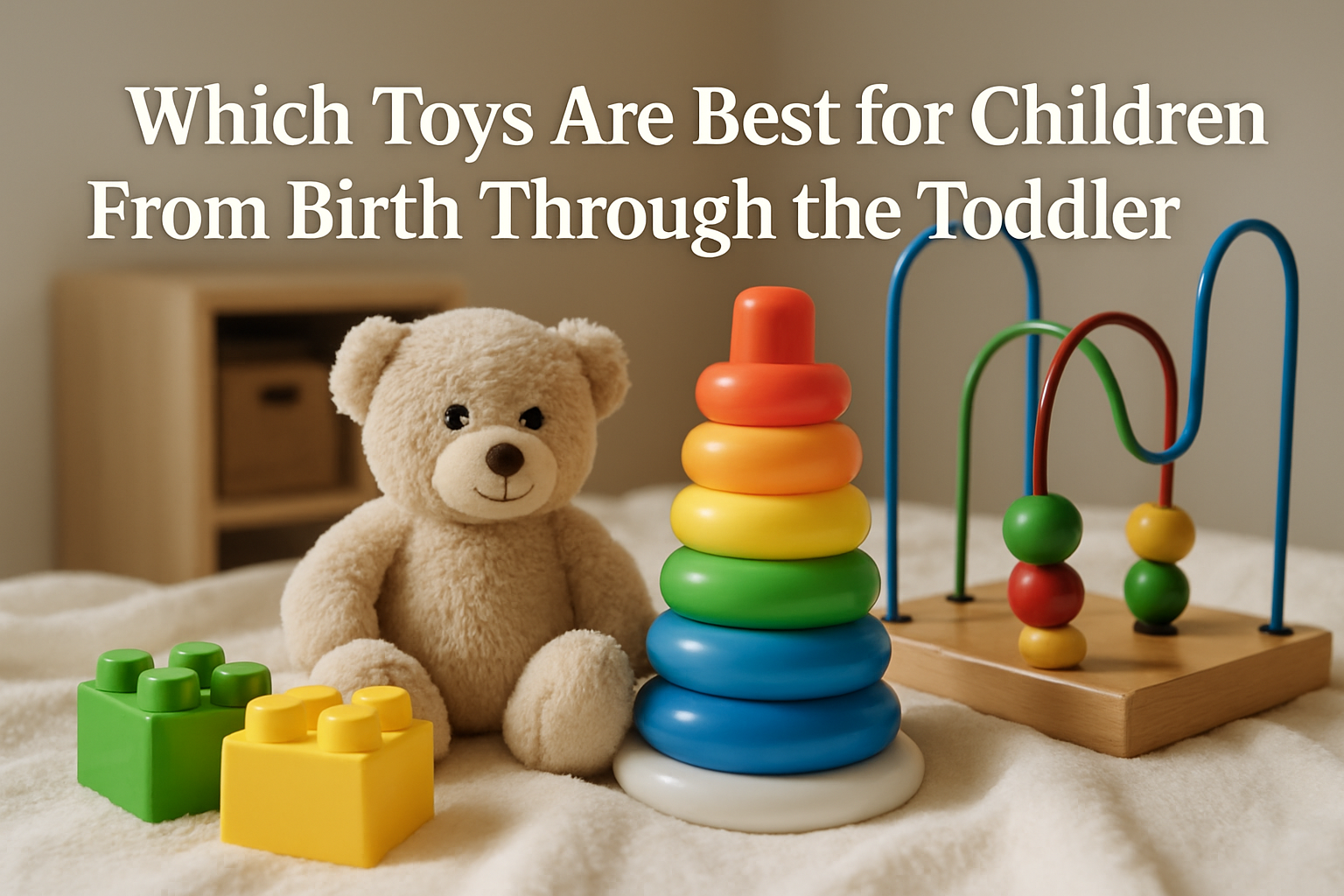

When selecting toys for toddlers, it’s essential to consider their developmental stages. Different ages require different types of play experiences to support their growth. Toys should engage a child’s senses, promote creativity, and encourage problem-solving skills. Understanding what types of toys are suitable for each age group helps parents and caregivers make informed choices.
For young infants, from birth to 6 months, the focus should be on toys that stimulate the most basic senses. Ideal options include rattles, large rings, squeeze toys, teething toys, soft dolls, textured balls, and simple board or vinyl books. Toys that create sounds can also captivate infants' attention, such as books with nursery rhymes or lullabies that help enhance auditory development. Furthermore, visual stimulation is crucial at this stage—items like pictures of faces and unbreakable mirrors can delight and engage infants, aiding in their visual recognition skills.
As toddlers reach the age of one, the range of toys can expand. One-year-olds benefit from board books featuring simple illustrations, supporting language development and comprehension. Recordings that play songs or nursery rhymes capture their attention and introduce them to the rhythms and patterns of language. At this stage, toddler-safe non-toxic markers and simple pretend play items encourage creativity and imaginative play. Toys that invite exploration and manipulation will help toddlers begin to refine their motor skills, setting a foundation for more complex play as they continue to grow.
By the time children hit the two-year mark, they become even more curious and active. Toys that challenge their problem-solving capabilities are especially beneficial, such as wooden puzzles. Pretend and building toys stimulate their imagination and motor skills, allowing young children to explore different scenarios and construct their worlds. Additionally, providing them with creative tools like washable crayons can enhance their artistic expression. These toys contribute significantly to their cognitive and social development as they learn to share space, interact, and engage in various forms of collaborative play.
As children approach the ages of three to six years, their play experiences become more advanced. At this stage, engaging them with more sophisticated problem-solving toys is beneficial. These could involve intricate puzzles or building sets designed for older toddlers. Toys that support role-playing or further imaginative play are also valuable, as they offer opportunities for social interaction and language enrichment. Additionally, introducing creative materials, such as various art supplies, encourages self-expression and innovation. Lastly, physical skill development can be enhanced with toys that promote movement and coordination, such as ride-on toys or those designed for balance and agility.
Choosing developmentally appropriate toys is essential for fostering toddlers' growth, learning, and creativity. Each stage of development demands specific types of engagement, making it important for caregivers to provide toys that are not only age-appropriate but also enriching for a child’s overall development.
When it comes to baby toys, safety is the top priority for parents and caregivers. Ensuring that toys are designed with essential safety features can significantly decrease the risk of accidents and injuries. First and foremost, all toys must be well-made without sharp edges or points that could cause harm to a child. A smooth surface is vital for keeping inquisitive little hands safe as they explore their new toys. Parents should always inspect toys before giving them to children to ensure they meet safety standards and are constructed from durable materials.
Another critical aspect of toy safety involves the materials used in their production. Non-toxic paint and shatter-proof materials are essential components of any baby toy. Babies are naturally prone to putting objects in their mouths, and exposure to harmful chemicals can lead to serious health issues. Toys made from shatter-proof materials help protect children from injury if the toy breaks during play. For maximum safety, all toys should comply with safety regulations regarding the materials used in their construction. Parents should look for toys that specify they are free from toxic substances to give themselves peace of mind while their children play.
Furthermore, awareness of choking hazards is essential when selecting toys for infants and toddlers. For children under three years of age, toys should not contain small parts that could pose a choking risk. This means checking for detachable features or components that can easily break off. Regular inspection of toys for signs of wear and tear also plays a pivotal role in maintaining a safe playing environment. Parents should routinely check for any damaged sections or peeling paint, as these can be indicators of potential hazards. By keeping an eye on the condition of toys, caregivers can ensure a safe and enjoyable experience for their little ones.
Toys play a pivotal role in fostering cognitive development among babies and young children. Through various forms of play, children engage their minds in ways that stimulate their thinking processes and enhance their understanding of the world around them. For instance, toys that involve building, stacking, or sorting encourage problem-solving skills and logical reasoning. As children manipulate and explore these toys, they develop a greater ability to understand cause-and-effect relationships, which is fundamental to cognitive growth.
Moreover, playtime with toys significantly promotes creativity. When children are provided with open-ended toys, such as art materials or construction sets, they are free to express their imaginations. This freedom enhances not only creative thinking but also boosts their intellectual curiosity. As young minds explore different ways to use toys, they are effectively testing hypotheses and learning through trial and error, which are essential processes of cognitive development.
In addition to problem-solving and creativity, the usage of toys can also foster advanced cognitive abilities such as memory and attention span. Interactive toys that require children to follow instructions or complete tasks enhance their focus and concentration. As they engage with these toys, they improve their memory retention and reinforce their learning capabilities—skills that are indispensable for future academic success.
The role of toys extends beyond individual development, impacting crucial social skills as well. Toys facilitate significant social interactions among children, laying the groundwork for essential life skills. Playtime with others often involves taking turns, sharing, and cooperating, which are foundational aspects of social behavior. When children play together, they learn to negotiate, solve disputes, and recognize social cues, enabling them to build strong interpersonal relationships.
Pretend play, which is often anchored in the use of imaginative toys, is particularly beneficial for developing empathy and social understanding. Role-playing scenarios allow children to step into different personas, broadening their horizons and helping them to understand various perspectives. This type of play fosters imaginative thinking and allows children to explore emotions—both their own and those of others. Consequently, these interactions enhance their ability to build relationships and navigate social environments effectively.
Furthermore, engaging with peers through toys provides an opportunity for practice in social norms and cooperative behavior. As children partake in shared play experiences, they also learn about group dynamics and the importance of teamwork. This lays the foundation for their future interactions in societies where cooperation and community play a vital role, equipping them with the skills necessary to thrive in collaborative environments.
Play serves as an incredibly effective outlet for children to express and regulate their emotions safely. Engaging with toys provides a unique means for children to explore their feelings, whether through imaginative play, art, or interactive games. By using toys to reenact various scenarios, children can process complex emotions in a secure setting. This type of play enables them to confront fears, joys, and their overall emotional landscape, allowing for healthier emotional development.
Different types of play serve varied roles in emotional regulation. For instance, solitary play is often a space for self-reflection and personal emotional management, while group play can help children to bond and work through feelings of joy, frustration, or sadness with peers. As they navigate through these experiences, children build resilience and enhance their ability to cope with feelings over time. These emotional skills are vital as they grow, promoting lifelong emotional intelligence.
Moreover, the atmosphere created during play can significantly influence emotional expression. Toys that encourage collaborative play promote a sense of belonging and safety, which is essential for fostering emotional well-being. In environments where children feel secure, they are more likely to express their genuine emotions, leading to stronger emotional regulation skills and healthier relationships as they develop.
Playing with toys is a powerful catalyst for language development in early childhood. Through interaction with toys that stimulate conversation, children naturally engage in dialogue, building their vocabulary and communication skills. Toys that prompt storytelling or role play, such as dolls or action figures, encourage children to verbalize scenarios, describing their actions and narrating their fictional tales, which is vital for linguistic growth.
Moreover, engagement with toys often promotes descriptive language as children articulate their experiences and emotions related to their play. Interaction can take on a collaborative nature—whether with caregivers or peers—where adults and older children model language that enhances the child’s speech and comprehension. The dialogue exchanged during these play sessions contributes considerably to a child's ability to express themselves verbally as they learn new words and sentence structures.
In addition to vocabulary building, toy-driven play can enhance comprehension and literacy skills. Playback activities and storytelling enrich children’s understanding of narrative structures and themes. Moreover, discussing play scenarios helps children to synthesize information and articulate their thoughts clearly, paving the way for effective communication. Thus, engaging with toys is a dynamic and interactive pathway to nurturing robust language development in young children.
Understanding Toddler Play Needs
When selecting toys for toddlers, it is essential to consider their developmental needs and play behaviors. Open-ended toys hold significant value, as they allow for various uses and interpretations. Unlike toys with a single purpose, these multifunctional options encourage creativity and imagination, enabling toddlers to engage in diverse play scenarios. For instance, a simple block can be used for stacking, building a fort, or even sorting colors. This versatility nurtures critical thinking as toddlers figure out different ways to explore and interact with their environment.
Additionally, it is wise to choose toys that grow alongside the child. As toddlers develop, their play needs and skills evolve, so selecting toys that can be appealing at various stages is vital. Toys that can be used in different ways as children grow—such as simple puzzles that become more complex—help meet the changing developmental demands. This adaptability supports the child’s learning journey and provides ongoing engagement, making the toys more valuable in the long run.
Moreover, fostering independent exploration is another key aspect of toddler play. Toys that promote problem-solving and independent figuring encourage toddlers to experiment and learn through play. Whether it’s a simple shape sorter or a basic construction set, these toys offer opportunities for trial and error, which are crucial for cognitive development. Role-playing toys further spark imagination, as they allow toddlers to act out various scenarios, helping them understand the world around them while developing social and emotional skills.
Recommended Toys by Age
Toy selection should also be tailored to align with age-appropriate activities that suit each developmental stage. For 1-year-olds, engaging with board books, simple pretend toys, blocks, and puzzles is foundational. At this age, children are beginning to grasp the concept of cause and effect, and toys that encourage this understanding—like stacking rings or interactive books—can be particularly beneficial. These toys help enhance motor skills while providing a platform for sensory exploration.
As children progress to age two, they typically show greater interest in problem-solving activities. Here, building sets and toys that support imaginative play become invaluable. At this age, toddlers start actively engaging in cooperative play and can benefit from toys that promote collaborative activities. Items designed for pretend play, like kitchen sets or toolboxes, allow children to mimic everyday activities, which helps them understand social roles and routines. Problem-solving toys such as basic puzzles or simple construction kits can challenge their growing abilities, encouraging cognitive advancement while remaining fun.
Finally, for three-year-olds and older, the focus shifts towards fostering creativity and social interactions through collaborative play. Toys that encourage group activities lead to deeper relational skills, as children learn to share, cooperate, and communicate with their peers. Craft kits that allow for creative expression, as well as games that require teamwork, can significantly enrich their playtime experiences. Engaging in creative activities not only enhances their artistic capabilities but also builds confidence and social skills that are critical during these formative years.
Engaging in play is essential for an infant's growth and development, offering both cognitive and physical benefits. Each stage of infancy presents unique opportunities for interactive play that nurtures skills while providing joy and stimulation. Below are age-specific play ideas tailored to the developmental milestones of infants.
During the first three months, infants are in a period of rapid growth and sensory exploration. Face-to-face interaction is vital at this stage, as it helps infants recognize faces and understand emotional cues. Parents can enhance this interaction by making eye contact, smiling, and speaking softly to their babies. This simple activity encourages attachment and provides a secure emotional base for future exploration.
Tummy time is another critical play activity for infants aged 0-3 months. During this time, babies lie on their stomach while they are awake, which encourages muscle development in the neck, shoulders, and back. Placing toys just out of reach can motivate infants to lift their heads and push up, further enhancing strength and coordination. It's important to make tummy time enjoyable; soft, colorful mats or engaging toys can draw the infant's attention and encourage extended play sessions.
Overall, these early interactions and activities not only foster physical abilities but also stimulate cognitive development through visual tracking and auditory recognition. Parents should aim to provide a variety of stimuli to enhance the experience.
As infants progress to the 3-6 month stage, their play needs evolve. Play mats and gyms provide an essential setting for sensory play and exploration. Bright colors, textures, and attached toys encourage infants to reach, grab, and coo as they engage with their surroundings. The overhead structures allow babies to practice eye coordination and visual skills, crucial for this developmental stage.
Singing with motions can also be a joyful engagement for infants. Simple songs with accompanying gestures help babies connect sounds with actions, enhancing their auditory-recognition skills. Parents can use familiar tunes and incorporate gentle movements to stimulate infants while fostering a sense of rhythm. This activity not only entertains but also builds on the emotional bond between the caregiver and the infant.
Connecting with babies through singing and interactive play encourages healthy brain development and initiates early language skills. Moreover, these engaging activities can lead to a greater sense of security, allowing infants to explore their capabilities.
Babies from 6 to 12 months are typically more mobile and curious, eager to explore their environment. Object play becomes crucial, as infants begin to understand how to manipulate different items around them. Providing safe, diverse objects—ranging from soft blocks to rattles—invites experimentation and problem-solving. Playing with different textures and shapes hones fine motor skills and hand-eye coordination, fostering developmental progress.
Another engaging activity at this stage is mirror play. Infants are often fascinated by their reflections, which encourages self-recognition and exploration of emotions. Placing a safe, non-breakable mirror in front of the baby can lead to joyful interactions as they experiment with facial expressions and movements. This activity nurtures social-emotional skills and promotes cognitive awareness as they begin to recognize themselves in the world.
These interactive playtimes not only enhance physical skills and cognitive development but also lay the groundwork for social interaction as infants grow. Engaging with a variety of experiences fosters a love for learning and exploration.
As infants approach their first year, they enter the stage of 12 to 18 months characterized by increased mobility and curiosity. Stacking activities are fantastic for developing both cognitive and motor skills. Parents can introduce blocks or other stackable items, allowing infants to practice balance and coordination. The process of learning how to stack not only provides entertainment but also helps enhance problem-solving skills as babies experiment with different configurations.
Sensory play is equally beneficial during this stage. Activities involving various textures, such as fabric squares, sand, or finger paints, invite exploration and creativity. This type of play aids in developing tactile skills and encourages infants to express themselves artistically. Sensory play is not only fun but also serves as a powerful tool for learning, helping infants make connections between objects and their characteristics.
Thus, through stacking activities and sensory play, infants can further develop their cognitive abilities while having fun. These early interactions instill a sense of curiosity and an eagerness to learn, contributing to a solid foundation for future growth.
Interactive toys play a vital role in the development of children. They provide more than just entertainment; these toys serve as tools that foster essential skills. By engaging children in active play, interactive toys promote cognitive development, enhance social interactions, and nurture language and motor skills. This multifaceted approach to learning turns playtime into a powerful educational experience.
One of the key developmental benefits of interactive toys is their ability to enhance cognitive skills. These toys often challenge children to think critically and solve problems, whether through puzzles, games, or building sets. Engaging with these toys stimulates curiosity and encourages exploration, which are fundamental components of cognitive growth. For instance, children learn to understand cause and effect as they interact with toys that respond to their actions. This hands-on experience helps build their reasoning abilities, laying a strong foundation for academic learning later in life.
In addition to cognitive benefits, interactive toys also play a significant role in developing social and language skills. Many of these toys foster cooperative play, allowing children to interact with peers. Through sharing, taking turns, and engaging in dialogue during play, children learn valuable social cues. Furthermore, toys that encourage storytelling or role-playing can significantly enhance language skills, as children use vocabulary and narrate ideas while role-playing different scenarios. This collaborative play not only fosters friendships but also helps develop communication skills that are essential in everyday interactions.
Moreover, the physical design of interactive toys tends to promote motor skill development. Toys that require manipulation, such as building blocks or arts and crafts materials, encourage fine motor skill enhancement. As children grasp, lift, and assemble pieces, they refine their hand-eye coordination and dexterity. Similarly, toys that engage children in physical activity, like those that require jumping or balancing, contribute to gross motor skills. By integrating movement and play, interactive toys ensure that children develop a well-rounded set of motor skills, which are crucial for their overall physical health.
In conclusion, interactive toys are not merely sources of entertainment; they are pivotal in supporting children's cognitive, social, language, and motor skill development. By integrating learning with play, these toys enrich children's lives and help them develop the essential skills they need for their future. As parents and caregivers, recognizing the importance of these toys in a child's educational journey can significantly enhance their growth experiences.
Sensory play provides a world of opportunities for toddlers, stimulating their senses and enhancing their developmental journey. Engaging in sensory activities can be transformative for early learners. Such play encourages children to explore their environments, nurturing their curiosity and creativity. As toddlers play, they interact with different textures, sounds, and visuals, leading to remarkable benefits in various developmental areas.
One of the most significant advantages of sensory toys is their impact on early brain development. As toddlers engage with sensory materials, they create neural connections in their brains. This exploration lays the groundwork for complex cognitive skills. Sensory play accelerates the processing of information, which is vital as children transition to more advanced learning stages. Consequently, sensory toys acting as tools for brain stimulation contribute profoundly to a child’s overall cognitive growth.
Furthermore, sensory play is instrumental in helping toddlers develop emotional regulation. When children explore their feelings through different sensory experiences, they learn to express themselves better. For instance, the act of squishing play dough or manipulating sand can provide a calming effect, helping children to manage their emotions effectively. This tactile interaction promotes awareness of their own emotions and fosters resilience, equipping them with essential skills to navigate social situations.
In addition, sensory toys significantly enhance fine motor skills, which are crucial for toddlers as they prepare for more intricate tasks. Activities like pouring, scooping, or pinching objects refine hand-eye coordination and dexterity. These skills are foundational for everyday functions, such as writing or dressing. Moreover, through collaborative sensory play, toddlers develop social skills. They learn to share, communicate, and cooperate with peers, transforming playtime into an essential aspect of their social education. By integrating sensory components into play, toddlers gain the tools they need for effective social interaction, language development, and emotional intelligence.
Overall, sensory toys serve as vital instruments in a toddler’s growth by enhancing brain development, emotional regulation, motor skills, and social interactions. The cumulative effects of these benefits underscore the importance of incorporating sensory play into toddlers’ daily routines. Engaging with these toys not only enriches their playtime experience but also fosters a holistic developmental approach that prepares them for future challenges.
Wooden toys are often lauded for their durability and safety benefits, making them an excellent choice for toddlers. These toys are generally made from natural materials, which means they can withstand rough handling typical of young children. Unlike plastic toys, which may easily crack or break, wooden toys are designed to endure years of play. Additionally, they do not harbor harmful chemicals that are sometimes found in plastic alternatives, such as BPA or phthalates. This organic composition makes wooden toys a safer option, minimizing the potential for health risks associated with chemical exposure.
Beyond safety, wooden toys carry environmental advantages due to their biodegradability. Wood is a renewable resource, and when a wooden toy reaches the end of its lifespan, it can decompose naturally, unlike plastics, which contribute to landfill waste and ocean pollution. By choosing wooden toys, parents not only provide safe playthings for their toddlers but also make more sustainable choices that positively impact the planet. The environmental footprint of wooden toys can foster a sense of ecological responsibility in children, teaching them the importance of respecting nature at an early age.
Furthermore, wooden toys often come with a timeless charm and aesthetic appeal that plastic toys struggle to match. The natural grain and finish of wood create a pleasing visual experience. Many wooden toys are crafted with simplicity in mind, promoting imaginative play by allowing children to engage their creativity. Such design often means these toys can be passed down through generations, reinforcing their value not just as playthings but as cherished items. As a result, the investment in wooden toys transcends mere utility, nurturing emotional connections and reinforcing mindful consumption from an early age.
On the other hand, plastic toys present a cost-effective and diverse alternative for toddlers. One of the most appealing aspects of plastic toys is their affordability. With a range of options available, parents can easily find playful, colorful toys that fit their budget. This accessibility allows for a wider variety of experiences, as children can explore different shapes, colors, and functionalities through plastic toys. From figurines to construction sets, the options are virtually limitless, making it simple for parents to engage their toddlers in varied forms of play.
However, it's essential to consider the trade-offs that come with plastic toys. While they can be more affordable, plastic toys typically have a shorter lifespan compared to their wooden counterparts. Over time, many plastic toys may become brittle and break, often leading to disposal concerns. This raises questions about sustainability and environmental impact. As plastic can take hundreds of years to decompose, opting for plastic toys can add to both landfill waste and environmental degradation if not managed properly. Parents must decide whether the short-term enjoyment of these goods outweighs their long-term environmental consequences.
Moreover, the vibrant colors and varied designs of plastic toys may attract toddlers initially, but they often lack the tactile experience offered by wooden toys. Many plastic toys are manufactured with more complex features, which can limit imaginative play. In contrast, wooden toys often inspire creativity, allowing children to create their own narratives. As a result, while plastic toys can be appealing due to their affordability and variety, they may not promote the same level of engagement or long-term value that wooden toys offer. Parents and caregivers should weigh these factors carefully to make informed decisions that align with their family values and developmental goals for their toddlers.
Imaginative play is fundamental to toddler development, allowing young children to express themselves while sharpening essential skills. The right toys can inspire creativity and foster a sense of adventure in their playtime activities. As toddlers engage with different toys, they not only learn to navigate their world but also enhance their cognitive, social, and emotional development. Here, we explore various types of toys that are particularly effective in nurturing imaginative play.
Play Kitchen Sets to Nurture Creativity
Play kitchen sets serve as wonderful platforms for imaginative play. These toys allow toddlers to mimic real-life cooking scenarios they observe at home, encouraging role-play and experimentation. As children engage in pretend cooking, they develop narrative skills by creating stories around meal preparation, dining scenarios, or family gatherings. This type of play nurtures cognitive development through decision-making and problem-solving, as children must figure out how to combine various 'ingredients' for their imaginary dishes.
Further enhancing the experience, play kitchen sets often include a variety of utensils and food items. This diversity allows toddlers to explore different textures, colors, and shapes, which contributes to their sensory development. Additionally, by inviting peers or family members to join in the play, children develop social skills such as cooperation, sharing, and communication. Overall, play kitchen sets present a multifaceted approach to imaginative play, where creativity thrives alongside important developmental milestones.
Magnatiles and Building Blocks for Construction and Problem-Solving
Another excellent category of toys that stimulates imaginative play is construction toys, such as building blocks and magnetic tiles. These toys invite toddlers to explore spatial relationships and structural integrity, fostering an enjoyment of engineering concepts from an early age. As they stack blocks or assemble magnetic pieces, children are not only having fun but are also honing fine motor skills and hand-eye coordination.
The open-ended nature of construction toys further promotes creativity, allowing children to build anything from simple towers to complex structures, each embodying a narrative they create. This exploration enhances problem-solving skills as toddlers face challenges in balance or design, prompting them to think critically and experiment with different configurations. Moreover, as these toys are typically used alongside peers, they encourage collaborative play, teaching toddlers to negotiate, share ideas, and respect varying viewpoints.
Dolls and Action Figures to Facilitate Storytelling
Dolls and action figures are classic toys that significantly contribute to imaginative play. These toys allow toddlers to engage in storytelling, as they create scenarios with characters that can mirror their life experiences or transport them to fantastical worlds. Through role-play, children develop empathy and understanding, as they navigate relationships and emotions portrayed in their ever-evolving narratives.
Playing with dolls or action figures fosters creativity and helps develop language skills. As toddlers engage in conversation between characters, they practice speaking and listening, which is vital for communication learning. Furthermore, the interchange of characters can prompt discussions around various social themes such as friendship, conflict resolution, or adventure, creating opportunities for toddlers to learn about themselves and the world around them. Thus, dolls and action figures not only entertain but also serve as critical tools for emotional and cognitive growth.
In conclusion, fostering imaginative play through these toys enhances critical developmental skills in toddlers, making it essential for caregivers to select the right toys that encourage creativity and exploration.
Promoting language development is essential in a toddler's early years, and certain toys can play a significant role in this process. One excellent tool for enhancing descriptive language skills is a dollhouse paired with dolls. This imaginative play scenario offers toddlers a chance to create narratives and situations, greatly expanding their vocabulary. By positioning dolls in various roles and settings, children are encouraged to articulate who is doing what—this boosts their ability to use descriptive language naturally. The interactions they have during playtime can also prompt discussions about emotions, relationships, and everyday scenarios, further enriching their linguistic abilities.
Another outstanding option for language development is a toy that encourages body part identification, such as a versatile figure that can be manipulated. By playing with these types of toys, toddlers can learn to identify different parts of the body in a fun and engaging way. This type of play often encourages children to ask questions and engage in conversations about their own bodies and those of others. As they explore, they begin to understand the connections between words and the physical world, which is critical at this stage of cognitive development. When kids feel empowered to ask questions or make statements about what they’re learning, their confidence in using language grows significantly.
Pretend kitchens stand out as another fantastic resource for stimulating imaginative play and enhancing language development. These setups encourage role-playing scenarios that mimic adult activities. As toddlers pretend to cook and serve food, they naturally incorporate new vocabulary into their play by labeling ingredients, discussing cooking methods, and making requests. Engaging in dialogue with peers or caregivers during these play sessions fosters not only language skills but also social interaction. This helps children learn turn-taking in conversations and the art of storytelling through their play narratives. Moreover, such interactive play experiences develop their ability to express thoughts clearly, which is vital for effective communication as they grow.
Toy rotation is a significant strategy in fostering a stimulating and engaging environment for infants and toddlers. By periodically changing the toys available to children, caregivers can optimize their development and keep them engaged. Understanding how often to rotate toys is crucial as it varies by age group and developmental stages.
For infants aged 0-12 months, a daily rotation of toys is highly recommended. At this stage, babies are rapidly developing their sensory and motor skills. They are also beginning to explore their environment through touch, sight, and sound. Daily rotation helps maintain their interest and promotes cognitive development. When infants encounter a new toy each day, it can spark curiosity and encourage them to explore different movements, such as reaching, grabbing, and even crawling.
Caregivers can implement a simple system: selecting a few toys each day from a larger pool of appropriate options. This can be executed by rotating the toys at the start of the day or even during playtime. Adding variety not only prevents overstimulation from too many toys but also fosters focus, as the infant can concentrate on fewer items at a time. Keeping toys clean and safe is equally important, as infants are prone to mouthing objects. This routine not only engages the child but also provides caregivers with an opportunity to observe their child's preferences and emerging skills.
As children transition into the toddler phase, which spans from 1 to 3 years, the recommended rotation shifts to a weekly schedule. Toddlers are generally more capable of sustained attention and can handle a slightly larger selection of toys without becoming overwhelmed. At this stage, children are beginning to master complex motor skills and are often more engaged in imaginative play. Weekly rotations allow toddlers to delve deeper into their play experiences with each toy, promoting problem-solving and creativity.
Caregivers can curate a selection of toys that align with their toddler's current interests and developmental needs. For example, they might provide a mixture of imaginative play items, building blocks, and educational toys. It's important during these rotations to observe how the child interacts with their toys and to introduce new items that match their evolving skills. Additionally, a weekly schedule allows for a systematic approach to cleaning and maintaining the toys, ensuring they remain safe and hygienic for play.
In conclusion, implementing an effective toy rotation schedule tailored to the age of the child not only enhances engagement but contributes to their overall development. Infants thrive on daily changes that stimulate their senses, while toddlers benefit from a more extended interaction with each toy. By being mindful of how often toys are rotated, caregivers can foster an enriching environment that supports learning through play.



Developmentally Appropriate Toys for Toddlers When selecting toys for toddle...
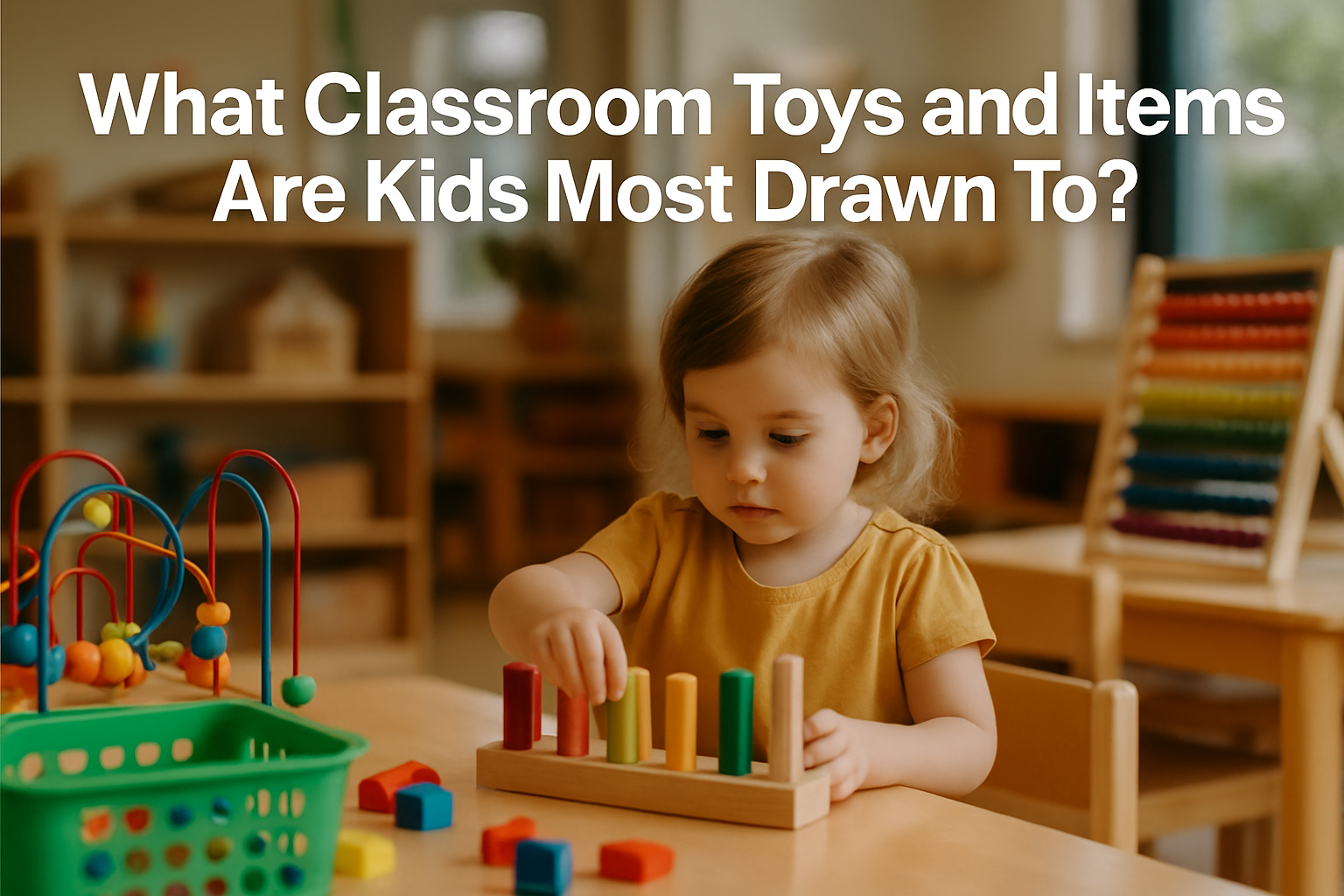

Developmentally Appropriate Toys for Toddlers When selecting toys for toddle...