A Screen-Free Christmas Morning: Toys That Get Kids Moving and Imagining
Introduction Outdoor play is an essential part of a toddler's development, o...

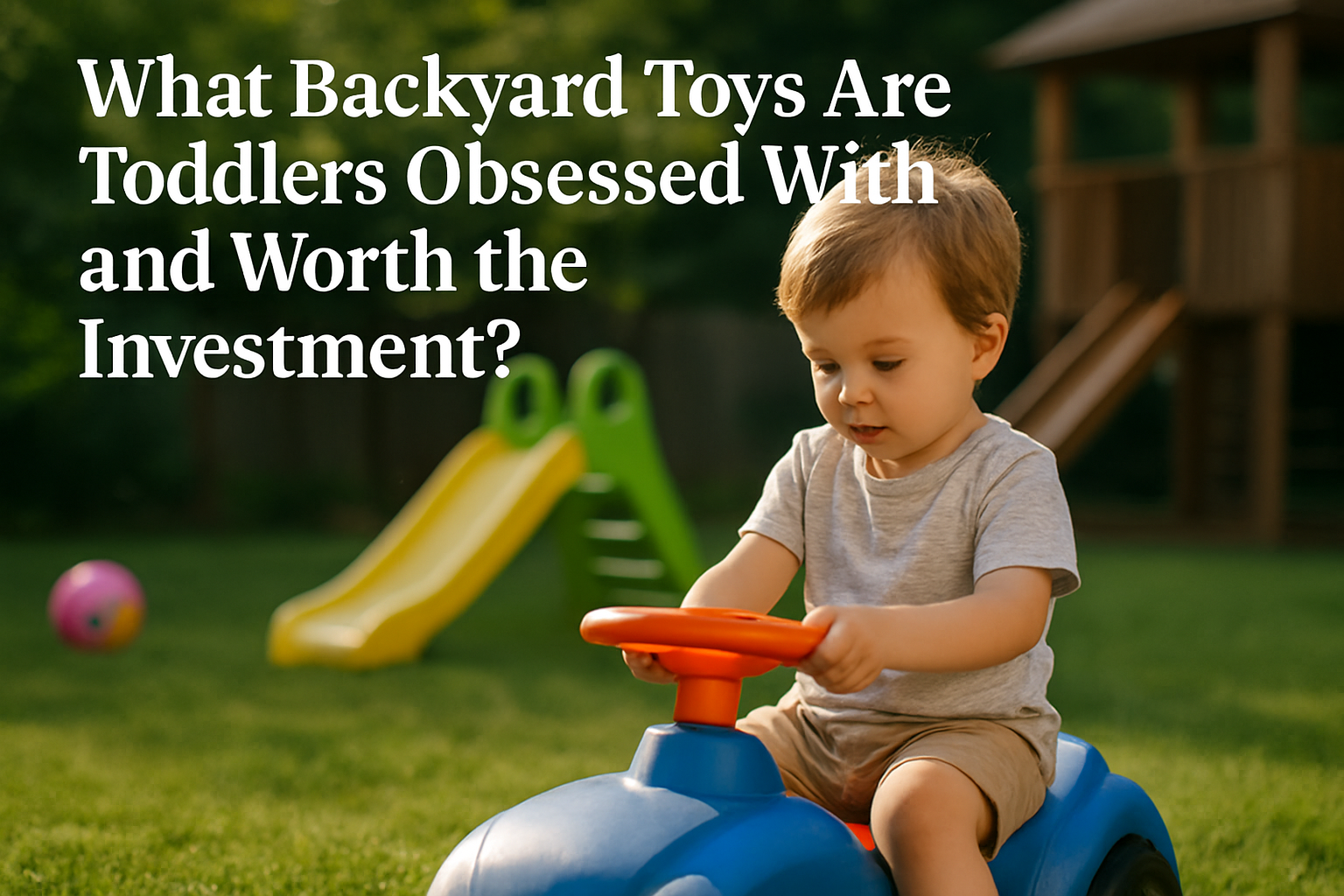

Outdoor play is an essential part of a toddler's development, offering opportunities for physical activity, social interaction, and imaginative experiences. As parents increasingly recognize the benefits of outdoor play, the demand for engaging backyard toys has surged. In 2026, there is a vibrant assortment of outdoor toys that have captured toddlers' attention and excitement, making them popular choices for families looking to invest in their children’s playtime.
This article will explore the top backyard toys that are trending in 2026, diving into their unique features and why they are beloved by both toddlers and their parents. By focusing on toys that promote sensory exploration, creative play, and physical activity, parents can ensure their toddlers benefit from engaging play environments that foster holistic development.
The selection of these toys has been determined by their popularity among parents and the amount of positive feedback they have received from children. These criteria are essential, as they ensure that the recommended toys are not only fun but also contribute effectively to a child's growth and learning. Each toy's assessment included factors such as safety, durability, versatility, and the ability to engage toddlers over time, ensuring that they remain favorites long after purchase.
The toys highlighted in this article have been researched and compiled to provide valuable insights for parents seeking to make informed decisions about backyard play equipment. Because toddlers thrive in environments that allow for exploration and creativity, this list focuses on the toys that meet their developmental needs while providing hours of enjoyment. With these considerations in mind, parents can choose toys that will enrich their toddlers’ outdoor playtime and promote essential growth skills.
Water tables have gained immense popularity among parents due to their ability to keep toddlers engaged for extended periods. These toys serve as an excellent introduction to sensory play, where children can explore different textures and engage with water in a safe environment. Many parents appreciate how water tables can encourage independent play while also promoting social interaction when toddlers invite friends or siblings to join in the fun. The splashing action, pouring, and mixing are not just entertaining but also provide crucial learning opportunities in physics and cause-and-effect.
Additionally, the level of engagement that water tables offer stands out compared to more traditional toys. Toddlers are naturally curious, and water tables cater to that curiosity by allowing them to manipulate water in various ways. Through pouring, scooping, and even using educational tools like cups and funnels, they are not just playing but learning valuable skills. The safe nature of these toys means they can be enjoyed all season long, be it in the summer sun or as a part of a rainy day’s indoor activities.
Given these advantages, water tables are highly recommended by early childhood educators and parents alike, often being preferred over other types of outdoor toys. This preference stems from their versatility—they can transform any outdoor space into an exploration zone, offering sensory stimulation that is delightfully messy yet easy to clean up.
Just like water tables, sand tables are known for encouraging creative play among toddlers. They provide an interactive element where sand can be shaped, molded, and dug into various forms, allowing children to unleash their imaginations. When paired with water tables, sand tables create a multifaceted play experience that can engage toddlers even further. Together, they provide a rich array of sensory experiences, combining the texture of sand with the fluidity of water.
The benefits of sand tables extend beyond mere fun; they enhance sensory development and imaginative play. As toddlers scoop, pour, and shape sand, they develop fine motor skills and hand-eye coordination. This type of play fosters not only creativity but also encourages problem-solving as children navigate how to build structures, create landscapes, or even dig for hidden treasures.
Moreover, the social aspect of sand play should not be underestimated. When playing with others, toddlers learn to share, negotiate, and collaborate, building essential social skills. Sand tables can easily accommodate multiple children, making them an ideal choice for playdates or family gatherings. As sand is a naturally engaging material, the opportunities for imaginative scenarios are vast, allowing each child to explore their creativity in a unique way.
Classic ride-on toys remain a staple in outdoor play for toddlers, and their durable design plays a fundamental role in encouraging active play. These toys not only offer hours of entertainment but also support the development of gross motor skills. The physical act of pushing or pedaling helps improve balance and coordination, serving as a practical introduction to mobility for young children.
Examples of ride-on toys loved by toddlers often include those with a simple yet effective design, making them easy to handle while encouraging movement. Many have been praised for their ability to stand the test of time, being suitable for both indoor and outdoor use. As children navigate their surroundings on these toys, they experience the joy of movement and gain confidence in their physical abilities. The simple pleasure of cruising through the backyard or around the playground is a magical experience that toddlers cherish.
Furthermore, ride-on toys enhance outdoor exploration, igniting a sense of adventure. They encourage children to discover their environment, whether that’s zooming along garden paths or racing down driveways. Through this, toddlers learn to take safe risks, an essential part of their cognitive and physical development. Such active toys will continue to be an enduring favorite on the lists of must-have backyard items for toddlers.
Bouncy animals represent an imaginative and economical option for toddlers that promotes physical activity. These toys are a delightful way for children to burn off energy while providing a unique form of play that encourages bouncing and hopping. The simple joy of climbing onto a fluffy, friendly creature introduces toddlers to concepts of balance and coordination in a fun setting.
The engagement level of bouncy animals is another key aspect. Kids are instinctively drawn to the vibrant designs and friendly shapes, encouraging prolonged play. As toddlers bounce around, they not only exercise but also engage in imaginative role-playing, creating stories and adventures with their bouncy companions. This kind of play encourages creativity and interaction, whether children are playing alone or with peers.
Moreover, the physical benefits of these toys are notable. Bouncing helps necessitate the use of core and leg muscles, promoting physical fitness while keeping play exciting. The active play involved aids in the development of motor skills, which are essential during the crucial early years of a child’s growth. Bouncy animals serve as both fun friends and valuable tools for development, making them a charming addition to any backyard toy collection.
Balance bikes have surged in popularity for their remarkable ability to aid the development of physical skills in toddlers. These bikes foster essential skills such as balance and coordination, allowing children to learn how to ride without the complexity of pedals. As toddlers scoot along using their feet, they gain confidence as they master balancing, which is a precursor to riding a traditional bicycle.
The recommendation by parents and educators for balance bikes underscores their effectiveness. They provide a smooth transition into the world of cycling, helping toddlers get accustomed to being on two wheels without the fear of tipping over frequently. The thrill of ‘riding’ gives children a sense of independence, which can be incredibly empowering at such a young age. Moreover, balance bikes come in various styles, providing options that cater to different tastes and preferences, making the riding experience joyful and personal.
Additionally, riding a balance bike is not only physically beneficial but also aids in cognitive development. As toddlers navigate different terrains and obstacles, they learn spatial awareness and critical thinking skills. Overall, these bikes are an enriching addition to any toddler's backyard, combining fun, fitness, and foundational skills necessary for future cycling adventures.
Playhouses and climbing toys play an integral role in fostering imaginative play and physical challenges for toddlers. A playhouse can act as a magical fortress, a cozy cottage, or even a spaceship, offering endless opportunities for storytelling and role-playing. These toys create a world where kids can immerse themselves in their imaginations while developing social skills as they interact with peers.
Climbing structures provide not only physical challenges but also the means for toddlers to boost their confidence as they climb, explore, and conquer heights. As children engage in climbing, they enhance their strength, coordination, and balance. This combination of physical activity with imaginative play naturally piques children's interests, encouraging them to be active participants in their environments.
Moreover, the social benefits of playhouses and climbing toys cannot be neglected. They often become focal points in shared play situations, where children learn to cooperate, negotiate, and share space. By cultivating these communication skills, toddlers are better prepared for future social interactions. The combination of imagination and physical activity that these toys offer makes them indispensable for backyard fun.
Ride-on vehicles present another thrilling option for promoting physical activity among toddlers, blending excitement with vehicle-themed fun. These toys encourage children to explore the outdoors, embarking on adventures in their own little modes of transportation. The sense of excitement that comes from steering and moving independently helps promote confidence in toddlers.
With various styles available, ride-on vehicles can cater to different interests and preferences, enhancing outdoor exploration. From simple push toys to more complex designs, each offers unique ways for toddlers to engage with their surroundings. The experience of navigating the backyard or a local park boosts physical fitness as children pedal, push, or scoot around in their vehicles.
Moreover, ride-on vehicles provide an excellent opportunity for safe risk-taking. As toddlers navigate their surroundings, they practice important skills such as spatial awareness and coordination. The excitement these toys bring fosters a love for active play, contributing to a child's overall well-being. With both fun and developmental benefits, ride-on vehicles are a top choice for busy toddlers eager to explore the world around them.
Investing in toys that demonstrate durability is essential for parents looking to make wise purchasing decisions. Durable toys not only withstand the rigors of play but also remain favorites for years, providing extended enjoyment. When selecting toys, consider those that can endure rough handling and still maintain their functional integrity. Toys made from high-quality materials often show resilience and can even be passed down to younger siblings, making them a more sustainable choice. As children grow and develop, having a few select durable toys can support a sense of nostalgia and attachment as they revisit beloved items from their early years.
When it comes to durable toys, those with timeless designs can greatly appeal to children at different developmental stages. Classic wooden blocks, for instance, invite endless creative play, allowing toddlers to explore their imaginations while building and constructing. Similarly, vehicles or playsets that facilitate imaginative scenarios tend to captivate children’s attention over time. Such toys often become staples in playtime, reinforcing the bond between a child and their favorites while providing parents with the knowledge that their investment will last.
Furthermore, outdoor play is an experience that nurtures physical growth and creativity among children. Engaging in outdoor activities is essential for developing essential motor skills and encouraging imaginative thinking. Parents should look for versatile toys that can function in different outdoor scenarios, such as those that promote group play, enhance gross motor skills, or allow for creative exploration in nature. For instance, items that can be used for both structured play and free exploration offer opportunities for children to engage their imaginations fully and enhance their physical capabilities in an environment that encourages discovery.
To bolster the outdoor play experience, toys that encourage movement—such as balls, kites, or even ride-on items—can pique children's interest and keep them engaged for longer periods. These toys also promote social interaction as children collaborate or compete, fostering teamwork and communication skills. Outdoor settings give kids the chance to experience different textures, sounds, and environments that may not be present while indoors, enriching their playtime and overall development.
Moreover, parents should consider the benefits of maintaining a diverse selection of toys to promote ongoing interest and creative engagement in toddlers. A varied toy collection keeps play experiences fresh, stimulating a child’s curiosity and creativity. Rotating toys can introduce novelty into daily routines, making playtime exciting and encouraging children to explore different concepts and skills through play. By regularly updating the toy selection, parents can ensure that their children remain engaged and inspired, while also avoiding the all-too-common issue of toy overload.
The practice of toy rotation can also help highlight the unique features and possibilities of each item. Allowing children to focus on a limited selection encourages deeper engagement with those toys, where they can devise new play scenarios and problem-solve in creative ways. In this manner, a well thought-out rotation system can enhance learning experiences, support cognitive development, and maintain a toddler's interest, making all toys feel new and exciting. Ultimately, the balance of variety, coupled with thoughtful purchases centered on durability and versatility, greatly enriches a child's play environment.
Toddlers exhibit distinct preferences when it comes to outdoor play areas, gravitating towards environments that stimulate their natural curiosity and imagination. Commonly chosen spaces include gardens, sandboxes, and structured play areas. Gardens provide an interactive experience where children can explore nature, interact with plants, and engage in sensory activities. Sandboxes are particularly appealing, allowing toddlers to dig, build, and manipulate sand, which fosters creativity and motor skill development. These preferred play areas cater to the instinctive need for exploration, enabling toddlers to learn about their surroundings through hands-on experiences.
In contrast, certain outdoor spaces receive less frequent attention from toddlers, such as expansive open areas and wooded areas. While these locations can offer ample space for activities, they often lack the interactive elements that engage young children effectively. Open spaces can be overwhelming, lacking features that captivate their interest. Similarly, tree areas, although potentially interesting, may not provide the immediate, tangible experiences that toddlers seek. Educators and parents, therefore, play a crucial role in guiding toddlers towards the most stimulating outdoor environments that promote foundational skills through play.
Understanding these preferences is essential for both parents and educators to create optimal play environments. By incorporating more gardens and structured play areas into toddler activities, caregivers can foster an environment rich in exploration and learning. Additionally, providing varied play materials and experiences can enrich their playtime, ensuring toddlers remain engaged while developing physical, social, and cognitive skills.
Toddlers often display a natural inclination to lead their play activities, showcasing their developing social skills and leadership qualities. This instinctive behavior significantly impacts how educators can optimize play environments to enhance learning and engagement. Observing these self-initiated play scenarios allows adults to identify the interests and preferences of each child, ultimately leading to a more tailored play experience. When toddlers take charge of their play, they explore problem-solving, negotiation, and cooperative play, essential components of social development.
Play leaders within groups can influence the dynamics of play, encouraging participation from peers and fostering a collaborative environment. Educators should observe and support these emerging leaders by providing the necessary resources and options that align with their interests. By facilitating environments where toddlers can lead their play, educators can empower children to express themselves freely, take risks, and develop autonomy. This empowerment is crucial as it nurtures self-confidence and a sense of agency in their learning experiences.
Moreover, recognizing the role of play leaders can inform the structuring of outdoor play activities. By offering diverse materials and adjustable play structures, adults can create a dynamic environment where toddlers can effectively lead and direct their play. These adjustments can ensure that essential developmental skills are nurtured during outdoor play. Ultimately, the role of play leaders signifies the importance of child-directed learning, where educators facilitate rather than dictate, allowing toddlers to flourish through their natural inclinations and preferences.
Outdoor play is instrumental in promoting physical development in children. Engaging in play activities such as running, climbing, and jumping encourages children to use their bodies, enhancing their physical fitness and motor skills. When children play outdoors, they naturally expend energy, which is vital for their overall health. Active play helps build strength, coordination, and balance, laying the foundation for a healthy lifestyle.
Moreover, outdoor environments offer diverse surfaces and obstacles, challenging children’s physical capabilities. For example, climbing trees or navigating uneven terrains not only improves their muscular strength but also boosts their confidence as they conquer these challenges. The freedom of movement outdoor play provides is unparalleled, fostering exploration and physical engagement that indoor settings cannot replicate.
In addition to immediate physical benefits, outdoor play also sets the stage for lifelong healthy habits. When children associate play with physical activity, they are more likely to sustain these habits into adulthood. Regular engagement in outdoor activities promotes cardiovascular health, improves muscle and bone strength, and combats childhood obesity, making it an essential component of a child’s daily routine.
Outdoor play significantly contributes to emotional regulation among young children. The natural settings provide a calming backdrop that can help toddlers manage their emotions and reduce stress. Exposure to fresh air and sunlight can improve mood, and the freedom to explore helps children develop coping mechanisms for frustrating situations. In moments of stress, such as a tantrum, transitioning to an outdoor environment can offer the distraction and tranquility needed to calm down.
Additionally, outdoor play encourages children to express their emotions more freely. In a less structured environment, children might decide to engage in imaginative play or simply wander, allowing them to process feelings through exploration and creativity. When toddlers can explore their surroundings, they become more attuned to their emotions and learn to navigate them effectively. This helps build a strong foundation for emotional health, promoting resilience as they face various challenges in life.
Furthermore, the presence of peers during outdoor play enhances emotional development. Social interactions can serve as mini-therapeutic encounters, where children learn empathy, patience, and how to handle conflicts. These experiences not only foster social skills but also improve emotional intelligence, teaching children how to identify and manage their own emotions in relation to others.
The outdoor environment serves as a rich canvas for creativity and problem-solving. Nature presents various challenges that stimulate children’s imagination, allowing them to explore and experiment. For instance, building a fort from sticks or devising a game with friends requires innovative thinking and resourcefulness. Such activities encourage children to think outside the box and develop self-confidence as they navigate these tasks.
Additionally, the unpredictability of outdoor environments often results in unstructured play, which is critically important for fostering creativity. Children have the opportunity to invent their own games and scenarios, enhancing their ability to think critically and adapt to changing circumstances. This form of play not only nurtures creative thinking but also helps children learn perseverance; failure in a task prompts them to rethink and try again, an essential skill for lifelong learning.
Moreover, engaging in outdoor play cultivates a sense of autonomy. Children make decisions about how to engage with their play, fostering independence and self-reliance. This sense of ownership over their play experiences builds their confidence and drives them to take on challenges, ultimately promoting both creativity and problem-solving abilities.
Outdoor play creates an ideal atmosphere for developing social skills among children. The natural environment facilitates diverse interactions with peers, which is essential for language development and practicing socialization. Whether negotiating the rules of a game or collaborating on a project, children enhance their communication skills through active engagement with their peers.
Moreover, outdoor spaces encourage cooperative play, which teaches children the importance of teamwork. Activities that require sharing resources or working together to achieve a common goal help young children learn the value of cooperation. These interactions help in developing empathy and understanding, as children learn to consider the feelings and perspectives of others while playing.
Furthermore, the informal nature of outdoor play often leads to spontaneous social interactions. These moments foster friendships and enhance social confidence. Learning to resolve conflicts in a relaxed outdoor environment equips children with necessary life skills, preparing them for future social encounters both within and outside of school settings.
Exposure to outdoor environments plays a critical role in enhancing sensory processing skills among children. The variety of experiences offered outside—different textures, sounds, sights, and smells—stimulates the sensory pathways in their brains, helping children to develop an awareness of their surroundings. For instance, walking barefoot on grass or exploring a sandy beach engages their sense of touch, promoting sensory integration.
Additionally, engaging with nature can introduce children to a plethora of sensory experiences that are rare in indoor play. These experiences not only enhance cognitive awareness but also improve their ability to process sensory information. Children learn to distinguish between different stimuli, which is a critical part of cognitive development.
Moreover, outdoor play allows children to engage in sensory-rich activities such as digging, building, and exploring the intricacies of their environments. As they encounter various materials and natural elements, they become more adept at navigating and interpreting sensory inputs. This experience is invaluable for developing motor skills and spatial awareness, laying the groundwork for future learning and exploration.
Investing in toddler-friendly toys is essential for nurturing young children's physical and cognitive development. When selecting outdoor toys, focus on durable and versatile options. Sandboxes and climbing equipment are excellent choices that provide extensive engagement. Sandboxes, for example, not only stimulate sensory play but also encourage children to explore their creativity by building and sculpting. Climbing equipment aids in developing gross motor skills, as toddlers learn to climb, slide, and navigate various heights. By providing such versatile toys, parents can ensure that playtime is not only enjoyable but also educational, helping toddlers develop essential skills through engaging outdoor experiences.
Furthermore, outdoor toys should promote various forms of play. Items like ride-on toys, balance beams, and small slides are great for keeping toddlers active while contributing to their coordination and balance. Parents can maximize outdoor time by integrating these functional toys into play routines, allowing children to engage in physical activity in a natural context. The expansive nature of outdoor spaces, combined with the right toys, encourages exploration and discovery, thus setting the stage for lifelong learning and active lifestyles. A well-rounded selection of durable outdoor toys significantly contributes to a toddler's overall development while offering endless fun.
Encouraging creative play is vital for fostering imagination and self-expression in toddlers. Parents can enhance playtime experiences by incorporating tools that stimulate imaginative scenarios. Items like costumes, building blocks, or art supplies can transform ordinary play into magical adventures that inspire storytelling and role-playing. For instance, a simple set of blocks can become anything from a castle to a spaceship in the eyes of a toddler, unleashing their creativity and problem-solving abilities. Such unstructured play is essential as it allows children to navigate their thoughts and feelings while stimulating critical thinking and social skills.
Moreover, parents should consider creating themed play areas in their backyards that can facilitate different imaginative scenarios. For example, a pirate-themed sandbox with treasure maps and shovels can encourage children to engage in cooperative play, developing teamwork and negotiation skills. Engaging children in such creative play scenarios not only entertains but also deepens their cognitive processes, making playtime a powerful avenue for childhood development. Ultimately, by blending toys that promote imaginative play with safe outdoor settings, parents can offer their children enriching experiences that resonate with fun and learning.
Social interaction through outdoor play is another crucial aspect of early childhood development. Toys that encourage cooperative play enhance toddlers' social skills while reinforcing concepts of sharing and taking turns. Outdoor games like group ball activities, sandbox play, or even cooperative building projects can foster a sense of community among young children. These interactive play experiences can significantly improve their ability to communicate, problem-solve, and relate to others in their peer group.
As children engage with their friends through shared play experiences, they learn valuable life skills, such as empathy and cooperation. Simple outdoor games that involve teamwork can help toddlers understand the importance of working together towards a common goal. These shared experiences not only promote a sense of belonging but also strengthen social bonds, crucial for their emotional development. Parents play a vital role in facilitating these interactions by encouraging group play and providing toys that are designed for multiple users, ensuring everyone enjoys their time together in the backyard. By fostering social interaction through carefully selected toys and encouraging collaborative activities, families can create cherished memories while supporting their children's holistic growth.
Investing in toddler toys can significantly impact a child's development and play experience. Durable and fun options can transform playtime into an enriching adventure, blending enjoyment with essential skill-building. One such category that stands out is balance bikes. These toys not only encourage outdoor activity but also promote healthy physical development in toddlers. With designs that can adapt to various ages and skill levels, balance bikes offer a long-lasting source of joy and exercise. As toddlers move from walking to riding, these bikes help them grow in coordination and balance, essential skills that can contribute to their overall confidence and joy.
In addition to balance bikes, parents often gravitate towards classic sets of toys that have stood the test of time. These iconic toys can engage children's imagination and creativity while also allowing for collaborative play. Sets that combine building elements with interactive features encourage toddlers to explore various possibilities and outcomes. For example, simple building blocks enable toddlers to construct their own creations, fostering cognitive development through problem-solving and spatial reasoning. Such timeless options worn down through countless play sessions are not only durable, but they also connect generations, as parents often have fond memories of using similar sets.
Furthermore, the choice of investing in durable toys holds great long-term benefits. Unlike cheaper options that may break easily, well-made toys tend to withstand the enthusiastic play of toddlers. This durability means that parents can expect to pass them down to younger siblings or friends, extending the life and joy of these toys beyond just their initial purchase. As children outgrow certain toys or find new interests, parents can feel confident knowing these durable options can still hold value and provide joy to others. These smart investment-worthy choices can enhance playtime experiences for toddlers, providing lasting memories and essential skills for years to come.
Throughout this exploration of outdoor toys, we highlighted several important findings based on extensive research and valuable feedback from parents. The study reveals that certain types of toys consistently appeal to children and effectively contribute to their outdoor play experiences. Popular toys such as climbing structures, ride-ons, and sport-related equipment not only provide immense fun but also foster motor skills and creativity. Their diverse roles in play emphasize engagement, physical activity, and social interaction among peers. By recognizing which toys resonate most with children, parents can make informed choices that enhance their children's outdoor experiences.
Encouraging the development of diverse outdoor play options is vital. Such toys challenge children physically while allowing them to engage in imaginative play. Outdoor toys that promote role-playing, obstacle courses, or team sports can stimulate both individual growth and collective play dynamics. When children have access to a variety of toys that cover different aspects of play, they can explore their interests and engage in healthy, active lifestyles.
As we look back at the research findings, it is clear that investing in various outdoor toys will yield significant benefits. Parents should consider how these toys not only serve practical roles in physical activity but also promote social skills and creativity. The role of parents in fostering an environment where outdoor play is accessible cannot be understated. A well-rounded approach to toy selection will support children's holistic development.

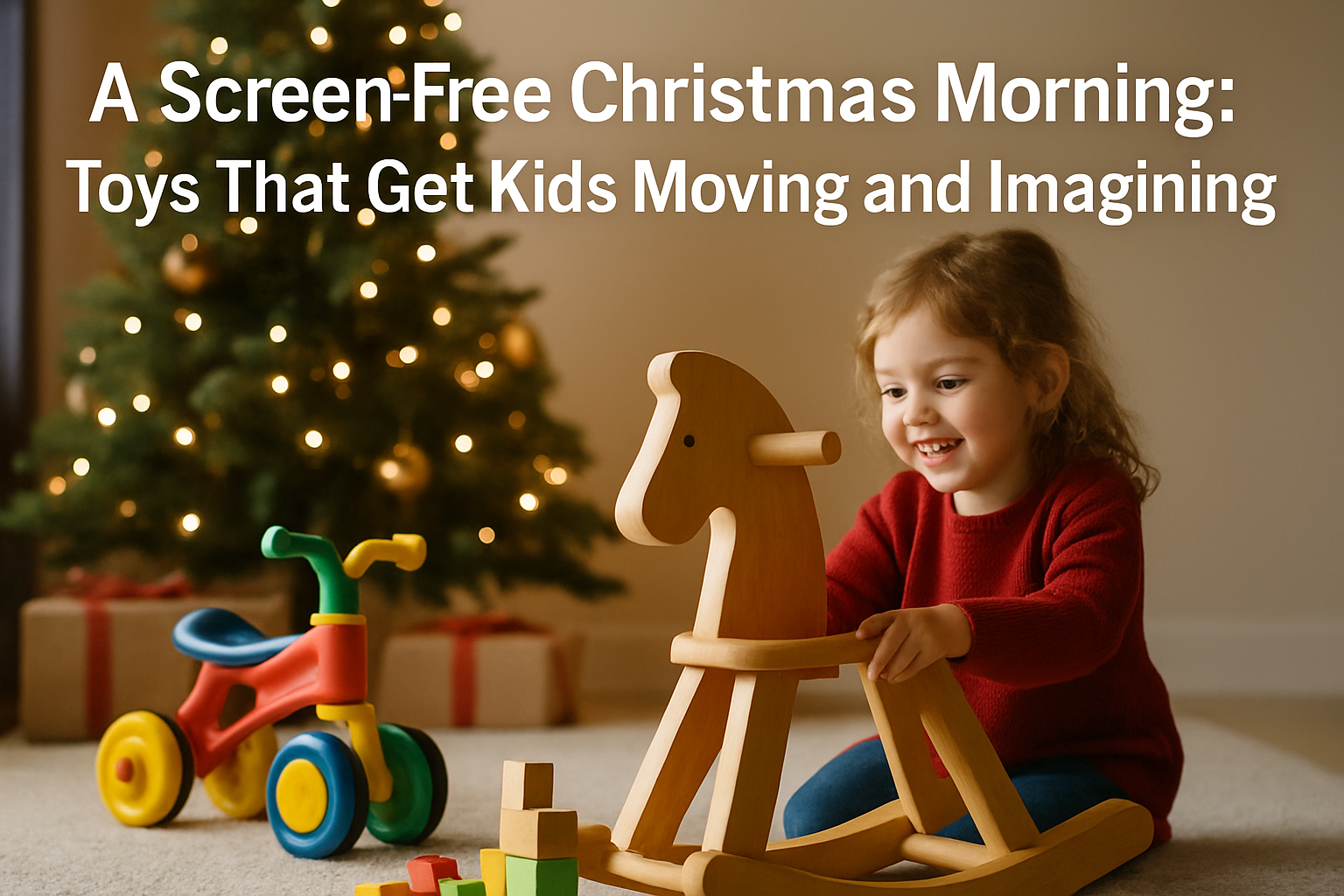

Introduction Outdoor play is an essential part of a toddler's development, o...


Introduction Outdoor play is an essential part of a toddler's development, o...