

What Are the Top Toys 4-Year-Olds Love Most?
Introduction Toys that grow with your baby are more than just playthings; th...

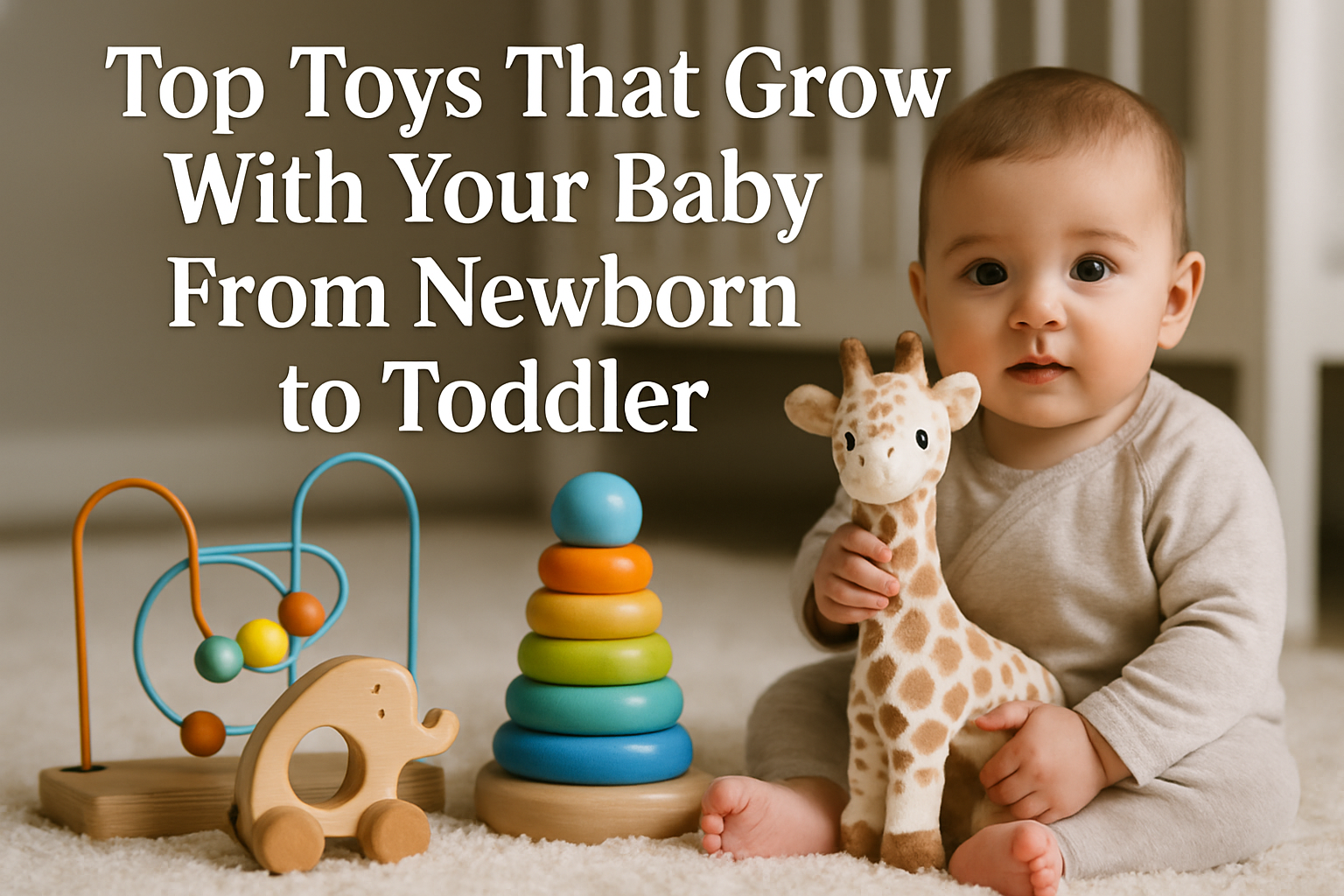

Toys that grow with your baby are more than just playthings; they are essential tools that adapt to the evolving needs of your child throughout their early stages of development. These toys, designed to engage infants and toddlers alike, provide continued entertainment and learning opportunities as children reach new milestones. Instead of investing in numerous toys that may quickly be outgrown, parents can choose versatile options that inspire both play and growth over time.
The importance of long-term play value cannot be overstated. As babies transition from newborns to active toddlers, they require toys that cater to their changing developmental stages. Selecting toys that evolve with your child's abilities not only enhances their cognitive and motor skills but also fosters imagination and creativity. Additionally, these growth-oriented toys are often more cost-effective, allowing families to maximize their investment while creating a nurturing play environment.
In the journey of parenting, it's beneficial to focus on timeless, adaptable toys that provide lasting value. By prioritizing products that support various facets of development—such as sensory exploration, fine motor skills, and imaginative play—parents can ensure that their child enjoys a rich and engaging childhood experience. These versatile toys encourage exploration, foster learning, and lay the foundation for important life skills that will serve children well beyond their toddler years.
Adaptive toys are designed with unique characteristics that cater to a wide range of developmental needs and abilities, ensuring that every child can engage in meaningful play. One of the primary features is ease of use, which significantly benefits caregivers. These toys often embrace simplicity in their design, making them user-friendly for both children and their guardians. For example, versatile play gyms provide various setups for children at different developmental stages, allowing for exploration and engagement without the complexity that can overwhelm young users. This simplicity not only enhances playtime but also minimizes frustration, conveying a sense of success and enjoyment to both children and caregivers alike.
Versatility is another key feature of adaptive toys that contributes to their effectiveness in promoting imaginative play. The open-ended nature of these toys allows children to explore and engage with them in myriad ways. For instance, puzzles may be designed to transform into play figures, encouraging children to utilize their creativity as they come up with unique narratives and scenarios. This adaptability enables children to use their problem-solving skills while stimulating their imagination, proving that one toy can serve multiple functions and keep playtime fresh and exciting.
Adjustability is also a remarkable attribute of adaptive toys, as they are designed to evolve to meet the changing needs of growing children. Toys that can serve multiple purposes over time provide long-lasting value. An example of this is a wooden shape sorting toy that can easily transition into a push toy. This adaptability allows children to benefit from the same toy throughout various stages of their development, reinforcing skills they have acquired and encouraging new ones as they mature. Moreover, this feature contributes to sustainability, promoting an eco-friendly approach by reducing the need for multiple toys.
Additionally, adaptive toys are crafted with different levels of complexity to match the evolving skills and interests of children. This aspect is vital in ensuring that play remains engaging and appropriately challenging. By offering varied challenges, these toys can cater to a diverse range of abilities and developmental milestones. Children can experience a sense of progression as they tackle increasingly difficult tasks, fostering resilience and confidence. Overall, adaptive toys encapsulate features that not only support play but also promote essential developmental skills, making them an invaluable resource in a child’s growth journey.
During the early months of life, sensory stimulation is key for newborns. Toys designed to engage an infant's senses are crucial. Sensory toys, such as rattles and soft dolls, provide tactile experiences that can comfort and entertain. These toys help to engage babies' emerging senses, aiding in their overall development. Additionally, mirrors are excellent for improving an infant's ability to focus on faces and objects. As babies gaze into mirrors, they start to recognize movements, which is fundamental in their cognitive development.
Musical mobiles hang above cribs and play soothing sounds, promoting auditory stimulation. The gentle sounds captured in these mobiles can have a calming effect on infants, drawing their attention and helping foster a relaxed atmosphere. Furthermore, tripod gyms encourage babies to reach and grasp, aiding in the development of postural skills. The interactive nature of these gyms allows babies to explore while also supporting their physical growth. Floor play mats are essential accessories for tummy time, allowing babies to develop their neck and shoulder muscles, thus preparing them for future milestones.
The combination of these toys fosters a nurturing environment conducive to early learning. Each toy serves a purpose, helping infants develop crucial skills through play. By engaging with these activities, caregivers can stimulate infants' senses and promote healthy growth in these formative months.
As babies reach the age of four months, their desires and capabilities shift significantly. Teething toys become essential during this stage. Toys with varied textures can alleviate discomfort while also providing sensory feedback that engages babies. Chilled options can soothe sore gums, helping infants feel more comfortable during this developmental period. When babies begin to grasp and manipulate objects, soft squeeze toys are effective for honing grip strength and fine motor skills. The tactile experience gained from these toys lays the groundwork for more complex movements in the future.
Peek-a-boo toys further enhance a baby’s understanding of object permanence, a critical milestone in cognitive development. When infants learn that objects exist even when they can't see them, it opens up a world of curiosity and exploration. Playing with these toys can create joyful interactions that help foster parent-child bonding, which is essential during this stage of development. The engaging nature of peek-a-boo play stimulates cognitive functions and emotional responses, making it a fun and educational experience for both caretakers and babies.
The right toys at this stage can significantly impact a child's developmental journey. As infants begin to explore their surroundings, these toys are vital tools for fostering their growing curiosity and developing fundamental motor skills.
At six months, babies become more active and curious, making this an ideal time to introduce toys that promote physical engagement. Baby blocks are a fantastic option for this age group, as they help develop fine motor skills and encourage hand-eye coordination. As infants stack, knock over, or rearrange blocks, they engage in exploratory play that nurtures creativity and spatial awareness. The versatility of blocks allows for endless combinations, supporting cognitive development in addition to motor skill enhancement.
Rolling toys are essential in encouraging crawling, which is a significant milestone for gross motor skills. These toys can motivate infants to move, promoting muscle strength and coordination as they reach for and chase after them. The delight and satisfaction they derive from this play promote further exploration of their environment, which is vital for their cognitive and physical development.
Busy boxes serve as excellent tools for cause-and-effect exploration, allowing infants to press buttons, turn knobs, and flip switches. By engaging with these toys, they begin to understand the relationships between their actions and the outcomes. This early experimentation sets the groundwork for problem-solving skills, making busy boxes an exceptional choice for promoting cognitive growth. Thus, the right selection of toys during this period significantly aids in both motor and cognitive development.
As infants approach their first year, they benefit from toys that enhance both tactile experiences and gross motor skills. Sensory balls are ideal, offering a variety of textures and colors that can captivate their interest. These balls are perfect for rolling, throwing, and grasping, promoting strength and coordination. Engaging with sensory balls enables infants to explore movement while developing their tactile senses through varied surfaces.
Container toys are also vital during this stage, as they assist in grasping and fine motor skill development. These toys often encourage babies to put objects in and take them out, enhancing their dexterity while also offering the satisfaction of completing a task. This action not only stimulates their physical abilities but also enhances cognitive skills as they figure out different ways to navigate and interact with the toys.
Incorporating these types of toys into playtime encourages exploration and supports the physical and cognitive development of babies nearing their first birthday. As infants engage with sensory and container toys, they gain essential skills that will serve as the foundation for their continued growth.
Following the first birthday, children enter a stage of increased exploration and learning. Stackable cubes are fantastic toys for this age, aiding in spatial awareness and fine motor skills. As toddlers experiment with stacking and balancing, they not only improve their dexterity but also begin to understand concepts like balance, gravity, and spatial relationships. These experiences are invaluable, as they encourage problem-solving and critical thinking while having fun.
Puzzles with easy-grasp knobs serve as another exceptional outlet for cognitive development. Engaging with picture puzzles promotes recognition skills and encourages memory retention as toddlers learn to match pieces to create images. The satisfaction derived from completing a puzzle builds confidence and reinforces persistence, teaching them that patience yields results.
During this transitional phase, the right selection of toys can have a lasting impact on a child's cognitive, social, and motor skill development. Encouraging independent play through stackable cubes and puzzles enables toddlers to explore their environment and develop essential life skills, setting the stage for future learning and discovery.
For toddlers aged two to three years, educational toys become crucial in supporting independence and creativity. At this age, children are eager to explore and learn new concepts. Toys that encourage imaginative play, role-playing, and basic problem-solving can significantly enhance a toddler's ability to think independently. Activities that involve building, sorting, and creating foster both creativity and cognitive growth.
Books are another vital component for toddlers. Reading together or for themselves can hugely influence language development. Exposing children to various stories broadens their vocabulary and comprehension skills. Interactive and illustrated books can make reading an engaging experience, fostering a love for storytelling and learning from an early age.
Promoting a stimulating play environment allows toddlers to thrive as they navigate the world around them. The combination of educational toys and reading materials equips them with the tools necessary for kinesthetic learning. Engaging with these activities supports their social interactions as well, encouraging them to communicate, share, and collaborate with peers, which is key to their emotional development.
Subscription services for developmental toys are emerging as a transformative approach to enriching children's play experiences. These services deliver carefully curated play kits tailored to specific age groups, ensuring that the toys provided are developmentally appropriate. This means children receive toys that not only entertain but also stimulate cognitive, physical, and emotional growth. The convenience of home delivery allows parents to explore a variety of educational materials without the burden of purchasing individual items, making it an appealing option in today’s fast-paced world.
One significant aspect of these subscription services is their adherence to foundational educational principles. Many play kits are designed according to Montessori principles, which emphasize hands-on learning and independent exploration. Toys included in these kits often promote open-ended play, allowing children to engage in self-directed learning. This methodology fosters creativity, problem-solving skills, and critical thinking, as children manipulate objects, experiment with different scenarios, and learn through trial and error. Such toys are not merely playthings; they are tools aimed at fostering a deeper understanding of the world and enhancing motor skills.
Furthermore, subscription services continually adapt their offerings to reflect the latest developmental theories and child psychology insights. This ensures that the toys evolve alongside children's changing needs and abilities. For instance, as children grow, the complexity of toys increases, challenging them appropriately while also maintaining engagement. The direct feedback loop between parents, educators, and subscription services helps to fine-tune the selection process. As a result, parents can trust that they are providing their children with the best opportunities to learn and grow through play, making the subscription model not only innovative but also beneficial in nurturing a lifelong love of learning.
Ensuring the safety of toys is paramount, particularly when catering to different age groups. Parents and guardians must be vigilant about the materials and design of toys intended for children. The age appropriateness of a toy can greatly influence its safety profile. For example, toys designed for infants and toddlers need to avoid any toxic materials that could pose a health risk. Non-toxic materials such as BPA-free plastics, natural woods, and non-toxic paints are essential in creating safe playthings for young children. Manufacturers should clearly indicate materials used in their products, allowing parents to make informed decisions when selecting toys.
Alongside material safety, the physical design of toys plays a significant role in safeguarding children during play. Sharp edges can leave children vulnerable to cuts and injuries. Hence, toys should be crafted with rounded edges and smooth surfaces to minimize this risk. This design consideration is particularly important for toys aimed at younger children, who might handle them less carefully. Furthermore, all toys should undergo rigorous testing to ensure they do not have any hazardous components that could cause harm during active play.
Another critical aspect of toy safety is the prevention of choking hazards. Small parts are a common concern, especially for toddlers and preschoolers who are still exploring through mouth-based play. It is essential to avoid toys with small detachable parts that could pose a choking risk. Designers often implement size guidelines indicating which toys are suitable for certain age groups. By adhering to these guidelines and avoiding small components in toys for younger age brackets, manufacturers can significantly decrease the risk of choking incidents. Through careful consideration of materials, design, and component size, the toy industry can significantly enhance the safety of products for children across varying developmental stages.
When it comes to choosing toys for children, parents play an essential role in fostering development through their selections. The importance of selecting versatile toys cannot be overstated. Toys that offer multiple functions and can adapt to a child’s developmental stages ensure that they are not just short-lived distractions, but tools that contribute to growth. By carefully considering how toys can enhance learning and engagement, parents can provide their children with a playtime experience that is both enriching and enjoyable.
Durability and adaptability should be at the forefront of parents' minds when shopping for toys. Durability ensures that toys can withstand the rough and tumble of play, making them a cost-effective choice in the long run. Meanwhile, adaptability means that a toy can evolve with the child, offering new learning opportunities as they grow. This encourages continued interest and prevents toys from being quickly outgrown or forgotten. As parents become more aware of these aspects, they will better appreciate the significance of selecting quality toys that serve their children over time.
Common recommendations for toys that align with these growth-oriented principles include building blocks, activity gyms, and sensory toys. Building blocks are a fantastic way to enhance fine motor skills and spatial awareness, allowing children to create as their imaginations run wild. These toys not only promote creativity but also encourage early math skills through sorting, stacking, and pattern recognition. Activity gyms foster physical development by encouraging tummy time and early crawling, while also offering sensory stimulation through various textures, colors, and sounds.
Additionally, sensory toys designed to engage a variety of senses can be incredibly beneficial. These toys often feature different textures, colors, and movements, which help children explore their environment and enhance their sensory processing skills. They can be used in multiple ways, providing ongoing novelty as a child’s cognitive and motor skills evolve. Parents who focus on versatile, durable toys can effectively support their children’s development from infancy through their formative years, leading to a well-rounded growth experience.
The world of toys is an exciting and dynamic arena where trends shift rapidly, making it essential to understand the subtle yet impactful differences between timeless and trendy toys. Timeless toys are those that have maintained their appeal across generations. They often emphasize simplicity, creativity, and open-ended play, allowing children to innovate and develop their imaginations. Classic building blocks, dolls, and basic art supplies fall into this category, as they can engage children in a multitude of ways, offering lasting value and utility beyond momentary novelty. In contrast, trendy toys are those that gain sudden acclaim, often propelled by social media, contemporary themes, or pop culture phenomena. These toys may capture the imagination for a season but often lack the enduring quality found in their timeless counterparts.
Importantly, adaptability is a key component in the selection of toys today. Toys that can evolve with a child's development or change in play style often see greater longevity in their engagement factor. For instance, dolls that allow for imaginative role-playing can grow with the child, from simple storytelling to complex narratives involving social interactions. Likewise, building sets that can be reconstructed in various ways promote continual interest, enabling children to explore different facets of creativity. This adaptability not only ensures that the toy remains relevant throughout various developmental stages but also makes it a more sensible investment for parents.
Moreover, engagement remains at the forefront of toy selection trends. Today's children are more stimulated than ever, thanks to technology and media saturation. As such, toy makers must consider how well their products can captivate and hold a child's attention. Toys that incorporate mechanisms for interactive play, sensory experiences, or educational components are more likely to stand out in a crowded marketplace. Parental insights suggest that toys which encourage collaborative play, such as group games or shared building activities, are increasingly favored, as they not only engage children but also foster social skills and teamwork. Ultimately, whether a toy embodies timeless qualities or reflects a current trend, its ability to engage children and adapt to their needs is vital to its success in today's evolving toy marketplace.
In the journey of childhood development, the significance of toys cannot be overstated. Toys serve as vital tools that contribute to various aspects of a child’s growth, ensuring they develop critical skills. Among the wide array of toys available, books emerge as a fundamental resource that transcends mere entertainment. Their lasting value lies in fostering cognitive development, enhancing language skills, and igniting creativity. Encouraging a child to engage with books not only supports literacy but also nurtures a love for learning that can last a lifetime.
Moreover, the importance of imaginative play through toys cannot be ignored. Engaging with dolls, action figures, or building sets allows children to explore different scenarios and express their thoughts and emotions. This kind of play is not only joyfully engaging but also crucial for social development. It teaches children how to collaborate, negotiate, and resolve conflicts, setting the groundwork for their social interactions in the future. Thus, selecting toys that encourage this type of expressive play is essential for child development.
Additionally, as children grow, the consideration of educational value in toys becomes more pertinent. Toys that stimulate problem-solving, critical thinking, and team collaboration can significantly impact how children learn and interact with their environment. Parents and caregivers should prioritize toys that offer both fun and educational value to enhance learning experiences. This way, children gain more than just joy; they acquire skills that aid their overall development. The joy of play combined with educational insights ensures that children are not just entertained but are actively learning and thriving as they engage with toys.
When selecting developmental toys, it is essential to consider the specific needs of infants versus toddlers. Infants, who are typically between the ages of newborn to twelve months, thrive on sensory-rich toys. These toys stimulate their senses, helping to develop their tactile, visual, and auditory abilities. Toys that produce sounds, have varied textures, or feature bright colors are particularly beneficial. For instance, rattles or plush toys that make noise when shaken can captivate an infant's attention, allowing them to explore cause and effect in a safe environment. As infants engage with sensory toys, they begin to understand the world around them, laying a foundation for later learning and development.
In contrast, toddlers, ages one to three, require more complex engagements to satisfy their developmental milestones. At this stage, children are highly curious and eager to interact with their surroundings. Toys designed for toddlers should promote active problem-solving and encourage imaginative play. For example, building sets or shape sorters provide not just a sensory experience but also challenge toddlers to think critically and creatively. As they manipulate these toys, they develop fine motor skills and hand-eye coordination, enhancing their physical development while simultaneously encouraging cognitive growth.
Transitioning from the needs of infants to those of toddlers highlights a shift in developmental focus. While infants require basic sensory stimulation, toddlers benefit from toys that promote exploration and imagination. This distinction is vital for parents and caregivers when selecting toys that will support a child's growth. By understanding these developmental stages, caregivers can make informed decisions, ensuring that toys are not just entertaining but also educational. Ultimately, choosing the right developmental toys for each stage of childhood can help foster creativity, critical thinking skills, and a lifelong love of learning.
When it comes to supporting a child's development, choosing the right toys is essential. Parents often seek affordable options that combine educational value with enjoyment. Enter the realm of affordable toys that not only entertain but also encourage growth in various aspects of a child's development. These toys can be categorized into two main types: natural baby toys made with eco-friendly materials and sensory and stacking toys that cater to different developmental stages.
Natural baby toys have gained popularity for their safe and eco-friendly characteristics. Constructed from sustainable materials, these toys offer a warm and inviting touch that can make them appealing to infants. These toys often come in simple designs, focusing on the tactile experience rather than overwhelming visual stimuli. The minimalist approach of natural baby toys promotes sensory exploration, encouraging babies to feel, touch, and engage with their environments in a safe manner.
Beyond safety, natural toys can enhance cognitive development. Parents can feel good about providing their children with toys free from harmful chemicals while also fostering an appreciation for the environment. Building a foundation of eco-conscious awareness from a young age can instill values that last a lifetime. Furthermore, these toys can stimulate imaginative play, allowing children to create their narratives and scenarios without predefined rules or limitations.
Another significant category of affordable toys includes sensory and stacking toys. These toys tend to match a child's developmental milestones, making them versatile companions as they grow. Sensory toys, often brightly colored and varied in texture, can promote sensory development through exploration. For infants, toys that crinkle, squeak, or rattle provide auditory feedback that enriches their understanding of cause and effect—fundamental in early learning.
Stacking toys, on the other hand, challenge fine motor skills and enhance hand-eye coordination. As children stack, balance, and rebuild, they learn problem-solving skills and develop spatial awareness. Starting with simple stacking blocks and progressing to more complex configurations not only keeps playtime engaging but also helps children to grasp concepts of size, weight, and balance. This layered approach ensures that play remains age-appropriate and growth-oriented.
In summary, affordable options for growth-oriented toys present a viable solution for parents seeking to support their children's development. By choosing natural baby toys made with eco-friendly materials, parents can promote an eco-conscious mindset while ensuring safety. Additionally, sensory and stacking toys offer diverse developmental benefits that cater to various stages of growth, providing endless opportunities for learning and exploration.


Introduction Toys that grow with your baby are more than just playthings; th...

Introduction Toys that grow with your baby are more than just playthings; th...