25 Coolest Gifts for Grandchildren in 2026
Introduction to STEM LearningThe Importance of STEMSTEM, an acronym for Scien...

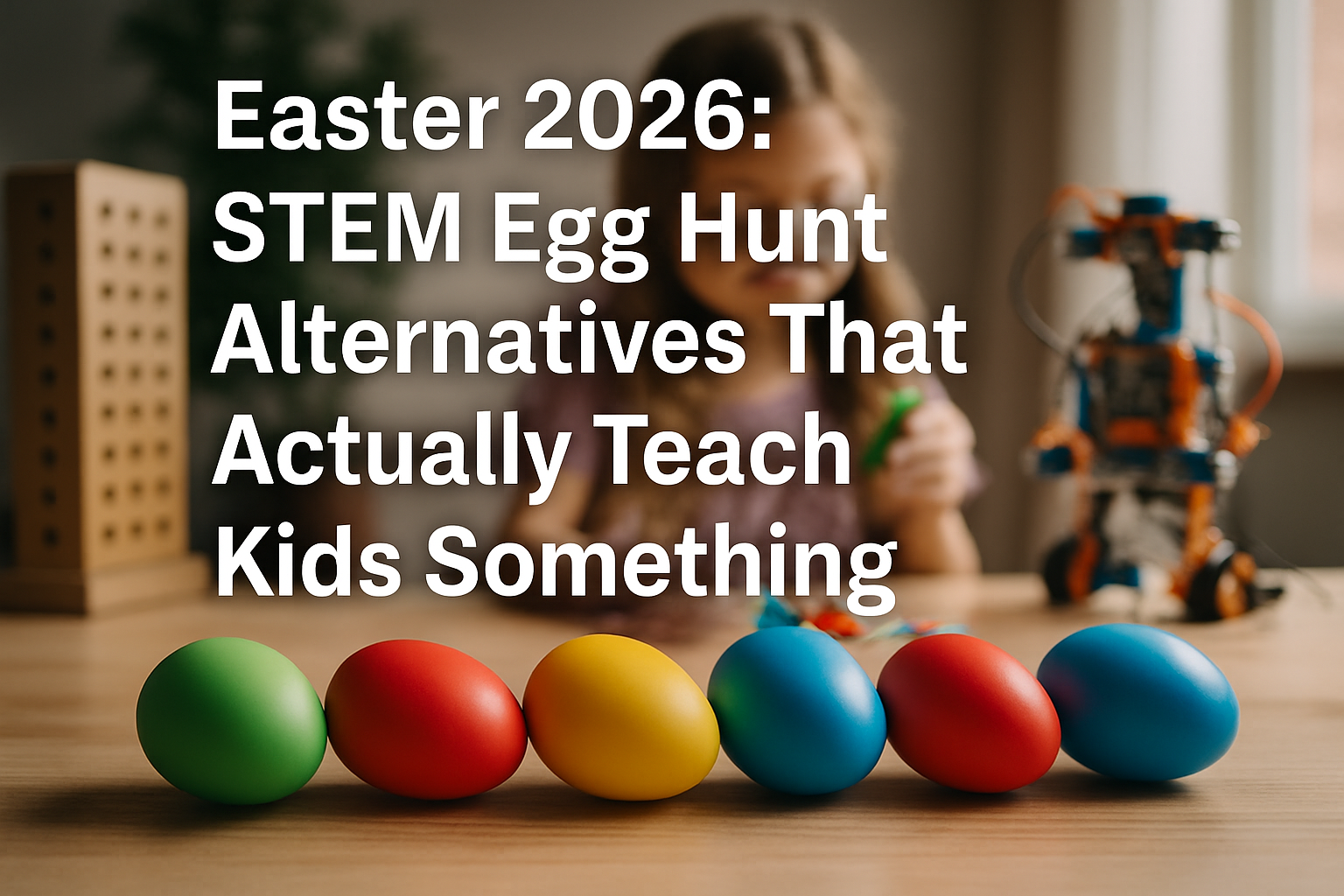

STEM, an acronym for Science, Technology, Engineering, and Mathematics, represents more than just subjects taught in schools; it embodies a vital educational philosophy that equips children with the skills necessary to thrive in an increasingly complex world. The definition of STEM extends beyond the classroom, encompassing hands-on learning experiences that ignite curiosity, foster problem-solving skills, and encourage critical thinking. At its core, STEM emphasizes real-world applications of these disciplines, allowing children to understand the relevance of their education in everyday life.
The benefits of STEM education for kids are manifold. Engaging in STEM activities nurtures a child’s innate curiosity, leading them to explore the world around them. Research indicates that early exposure to STEM concepts not only enhances academic performance but also fosters important life skills such as teamwork and perseverance. Children learn to approach problems methodically, testing and iterating their ideas – valuable competencies in today’s fast-paced, technology-driven society. Moreover, STEM education promotes diversity and inclusion by inviting all students, regardless of background, to contribute to innovation and progress.
During Easter, integrating STEM activities into festivities can create a unique, educational experience. Traditional egg hunts can be revitalized with a STEM twist, transforming them into engaging learning opportunities about physics and biology. For example, children can explore concepts such as buoyancy by experimenting with egg floatation in water or delve into chemical reactions through simple vinegar and baking soda projects disguised within 'egg-citing' activities. By incorporating STEM into the Easter celebration, parents and educators can spark lasting interest in these vital disciplines while ensuring that learning remains playful and enjoyable.
Easter is a wonderful time to engage children with science through festive and interactive experiments. There are various Easter-themed science experiments that are not only educational but also a lot of fun. One popular idea is to create a colorful Easter egg fizz using baking soda and vinegar. This is an excellent way to teach kids about chemical reactions as they watch the vibrant fizzing colors burst from the eggs. To conduct this experiment, you'll need eggs (either real or plastic), vinegar, food coloring, and baking soda. Start by filling the eggs with a mixture of vinegar and food coloring. Once the baking soda is added, the reaction can be observed immediately, creating excitement and learning simultaneously.
In conducting home experiments, safety must always be prioritized. Make sure to wear safety goggles if necessary, especially when handling vinegar and baking soda, as the reaction can cause splashes. It’s also important to conduct experiments in a well-ventilated area and to supervise younger children closely. Discuss safety guidelines with your children before starting the experiments to cultivate their understanding and responsibility when engaging in science activities. This will ensure a safe and enjoyable learning experience during this festive season.
Furthermore, consider expanding the science activities by incorporating themes of plant biology. A simple, magic-growing jelly bean experiment can illustrate how plants absorb water and nutrients. By placing jelly beans in water, children can witness them expand into colorful shapes. Use this opportunity to discuss the process of osmosis and how plants thrive in their environments. Incorporating scientific principles into Easter festivities not only enriches the holiday experience but also nurtures a child’s curiosity for learning.
Embracing technology during Easter can foster creativity and an understanding of fundamental coding concepts among kids. A unique way to introduce coding is by designing Easter-themed projects that allow children to create digital art or animations of bunnies and eggs. Using platforms that provide a beginner-friendly interface encourages kids to learn programming basics through engaging gameplay. These projects can be framed as storytelling exercises, where children are tasked with animating a short Easter story, allowing them to build logical sequencing skills and problem-solving abilities through coding.
There are various resources available that can guide children in their coding journey. Many online platforms provide tutorials tailored for young learners that focus on visual programming languages. These platforms often include a variety of interactive projects wherein kids can experiment with coding without the fear of making mistakes. Simple coding tasks, such as creating Easter egg sorting games or developing a quiz about Easter traditions, can be both instructive and entertaining. Children will feel a sense of accomplishment as they see their projects come to life through code.
Moreover, introducing concepts of robotics during Easter presents another educational opportunity. For instance, children can program a robotic bunny to navigate a mini obstacle course. This not only hones their coding skills but also incorporates elements of engineering and design. By layering these tech-driven projects throughout the Easter celebrations, you not only keep the festive spirit alive but also equip children with valuable skills that will serve them academically and socially in the future.
Engineering provides an exciting avenue for kids to explore creativity while problem-solving during the Easter season. One engaging engineering challenge is to design and create Easter eggs that can withstand a drop from a certain height without breaking. This activity encourages kids to think critically about materials and design choices. Utilizing items such as straws, paper, and tape, children can construct protective structures around their eggs. This challenge promotes collaboration as kids can work in teams to brainstorm ideas and test out their designs.
Another fun engineering activity revolves around building structures for Easter games. For example, children can create catapults using household items to launch mini chocolate eggs into designated targets. This challenge can help them learn about physics and mechanics while engaging in hands-on activities. Providing tools like rubber bands, spoons, and popsicle sticks opens doors for experimenting with different launch angles and measuring distances, which can enhance their understanding of trajectory in a playful setting.
To ensure the engineering activities are both effective and safe, discuss the tools and materials required prior to beginning. It’s essential to emphasize safe practices, especially when using scissors or other potentially hazardous items. By participating in these engineering challenges, children not only heighten their critical thinking skills but also gain confidence in their ability to innovate and create solutions to complex problems during the festive season.
Integrating math into Easter activities can enhance learning while having fun. There are numerous creative math games related to Easter themes that can excite children about numbers. For example, Easter egg hunts can be turned into math scavenger hunts, where each egg contains a math problem that must be solved to find the next egg. This exciting incorporation of math into a traditional activity not only keeps the kids active but also reinforces their problem-solving skills.
Additionally, math concepts can be woven into various Easter arts and crafts, such as designing symmetrical patterns with egg decoration. By engaging children in these thematic activities, they will naturally apply math skills such as measurement, counting, and geometry. Incorporating fun challenges, like timed math games in the context of Easter, can help create a lively atmosphere while reinforcing key mathematical concepts.
To further enrich the experience, printable math worksheets with Easter themes can be offered as complementary educational tools. These worksheets can include various exercises, such as counting, basic addition and subtraction, or even fractions using Easter elements like chocolate bunnies and eggs. Such resources help bridge the gap between play and education, making math an enjoyable subject to explore during the Easter festivities. By creatively incorporating math into holiday fun, parents and educators can pave the way for a deeper understanding and love for the subject among children.
Educational egg hunts are a delightful blend of traditional fun and purposeful learning. They transform the typical egg hunt into an engaging activity that promotes curiosity and skill development. At their core, educational egg hunts involve hiding eggs filled with learning prompts, challenges, or information, integrating both enjoyment and education seamlessly. This unique approach holds significance for children's development, as it turns a basic game into a tool for enhancing various cognitive skills.
Combining fun with learning is essential in today’s education landscape. When children engage in playful activities, they are more likely to absorb information and retain it longer. Educational egg hunts promote critical thinking through puzzles and questions that require children to think deeply about their answers. They also encourage teamwork, as children often work in groups to tackle challenges, fostering collaboration and communication skills. This cooperative approach not only builds social skills but also allows children to learn from one another, making the experience richer.
Additionally, the excitement of a treasure hunt captures children's attention and encourages them to participate actively. This form of learning is not only effective but also enjoyable, making it a memorable experience. As children dash around searching for eggs, they are simultaneously building essential skills in a playful context. This dual focus on fun and education ensures that they are learning while enjoying their time, which is paramount in cultivating a positive attitude towards learning.
Themed egg hunts elevate the excitement and engagement levels during these activities. Popular themes can include animals, space, history, or even specific storybook characters. By selecting a theme that resonates with children's interests, organizers can capture their imagination and enhance their involvement. For instance, a nature-themed egg hunt might include eggs filled with facts about various wildlife, making the learning aspect enjoyable and relevant.
Using themes not only captivates children but also brings structure to the egg hunt. Themes can be tailored based on age-appropriate knowledge or cultural significance, offering an additional layer of meaning. For example, a historical-themed hunt might coincide with a study unit on ancient civilizations, allowing children to explore historical figures through clues hidden in the eggs. Such thoughtful integration ensures that the activity is not merely entertaining but also reinforces what kids are learning in school.
Selecting themes based on children's interests is vital. Surveying children beforehand about their favorite subjects or hobbies can lead to more personalized experiences, making them feel more invested in the hunt. When children see their favorite topics represented in the activities, their motivation to participate increases. Moreover, themed egg hunts provide opportunities for parents and educators to discuss relevant topics during and after the event, reinforcing the educational aspects while still embracing the joy of the hunt.
Setting up interactive learning stations during an egg hunt adds another layer of educational value. Each station can feature specific educational challenges that align with various subjects such as math, science, and reading. For instance, a math station might require children to solve simple equations to unlock the next egg, while a science station could integrate hands-on experiments that relate directly to a lesson they’ve recently covered.
Integrating multiple subjects into learning stations not only helps children apply what they know but also piques their curiosity about new topics. With each completed task at a station leading to the next clue or egg, children feel a sense of achievement. This progression not only keeps them engaged but also allows them to reflect on their learning and the importance of each subject area. For example, a reading station could encourage kids to read a short story before answering questions hidden in the eggs, thereby reinforcing comprehension in a fun manner.
Interactive stations also facilitate cooperation among children. When children gather in small groups to tackle challenges together, they engage in critical dialogues, learn from each other's perspectives, and build friendships. These moments of collaboration can lead to rich discussions, enhancing the overall educational experience. By combining learning with play, children develop not just academically, but also socially, all while enjoying the thrill of the hunt.
Incorporating scavenger hunt elements into egg hunts can elevate the experience significantly. By blending the traditional hunt with scavenger-style searching, you can create a more dynamic and engaging activity. Designing clues and riddles that lead children to eggs challenges their problem-solving abilities and prompts them to think critically. The anticipation of solving a riddle adds an element of suspense that can keep participants more involved.
Creating clues requires a blend of creativity and educational intent. Each clue should be designed to relate back to what the children are learning. For instance, a clue might include a riddle about a historical figure that they’ve recently studied, guiding them to the next egg filled with additional facts or trivia about that figure. This not only makes the hunt an exciting challenge but also reinforces their learning in a memorable manner.
Furthermore, technology can enhance the scavenger hunt experience. Incorporating elements like QR codes can bring a modern twist to the traditional egg hunt, allowing children to scan codes that direct them to educational content or fun facts related to the theme. Mobile apps can also be used to track progress, share hints, or provide further interactive challenges. The combination of technology and traditional hunting fosters engagement, encouraging kids to explore both the physical and digital realms while learning.
What if the traditional egg hunt could evolve into a rich learning experience? A STEM egg hunt is an innovative twist on the classic activity, seamlessly blending entertainment with essential educational principles in the fields of science, technology, engineering, and mathematics. This approach enables children to explore fundamental STEM concepts while enjoying the thrill of hunting for eggs. By incorporating engaging STEM activities into the hunt, parents and educators can create a memorable educational experience that encourages curiosity and problem-solving skills.
A STEM egg hunt can incorporate various hands-on activities and challenges. For example, instead of merely hiding colored eggs, organizers could include eggs filled with materials that require children to conduct simple experiments, such as vinegar and baking soda for a small volcano. Additionally, incorporating coding tasks or mathematical puzzles hidden within the eggs promotes critical thinking. The educational benefits of this combined approach are profound; studies have shown that playful learning enhances retention and comprehension in children, paving the way for a lasting interest in STEM subjects.
The whimsical and playful atmosphere of an egg hunt makes it an ideal format for fostering a love of learning. Children are naturally drawn to games and activities that stimulate their senses, and by injecting educational elements into the hunt, participants are likely to remain engaged. However, it's essential to ensure that the learning objectives align with the fun aspects of the activity, creating an environment where children feel both entertained and challenged.
STEM education plays a pivotal role in the holistic development of children during their early years. Engaging youngsters in these fields lays the groundwork for critical thinking, creativity, and collaboration. Research highlights that early exposure to STEM concepts can significantly impact a child's cognitive abilities, specifically regarding problem-solving skills and analytical reasoning. These skills are essential not just in academic settings, but also in everyday life.
Statistics on youth involvement in STEM activities underscore the necessity of integrating these principles into children’s education. Unfortunately, many children across different demographics remain disengaged from STEM subjects. This trend calls for a proactive approach to spark interest and excite young minds about these fields. Initiatives that promote hands-on learning experiences not only cater to varied learning styles but also address the well-documented gender gap in STEM fields.
Incorporating STEM education into fun activities like an egg hunt provides long-term benefits, equipping children with the skills required in tomorrow's job market. As the technological landscape evolves, so too does the need for a workforce skilled in STEM. By fostering enthusiasm for these subjects early on, we can empower future generations to innovate, solve problems, and contribute to a rapidly changing world.
When organizing a STEM egg hunt, meticulous planning is vital for creating a successful event. Selecting the right location sets the groundwork for the experience. Spaces that accommodate outdoor activities, such as parks or backyards, allow for a lively atmosphere where kids can freely explore. Safety is also paramount; ensure the area is secure and suitable for children of varying ages and abilities.
Establishing clear objectives and goals is essential for guiding the event's structure. These goals might include enhancing teamwork, promoting critical thinking skills, or simply encouraging a passion for STEM subjects. Identifying specific educational goals for the hunt will also help streamline planning. Consider how various challenges can incorporate aspects of STEM learning, motivating children to think creatively while they search for eggs.
To keep all participants engaged, adopt varied strategies tailored to different age groups. Younger children might enjoy straightforward puzzles or scavenger hunts, while older kids could tackle more complex tasks that require collaboration and critical thinking. It's also crucial to establish methods for evaluating the event's success. Gathering feedback from participants and observing how well they engage with the STEM activities will help measure whether the hunt met its educational objectives while ensuring an enjoyable experience for everyone involved.
The success of a STEM egg hunt hinges on creative and engaging activities that capture children's imaginations. One idea is to create STEM-themed egg stamps—simple tools made from various materials that inspire kids to explore concepts of design and engineering. Children can utilize these stamps to create unique designs or patterns on paper, reinforcing their understanding of geometry and art.
Incorporating team challenges adds an exciting layer of collaboration to the hunt. For instance, teams might compete to build the tallest structure using only eggshells and marshmallows, fostering teamwork as they devise strategies under time constraints. Such challenges not only encourage communication but also require participants to apply engineering principles in a fun, hands-on manner.
Facilitating discussions during the hunt can further enhance the educational aspect. Organizers should take the opportunity to ask open-ended questions that promote reflection and encourage problem-solving. For example, after completing a task, facilitators could ask children how they might improve their approach next time or the science behind the activity. These discussions enrich the learning experience and help children articulate their thought processes, reinforcing the STEM principles in a meaningful way.
A smooth execution of the STEM egg hunt relies on thorough preparation and organization. As the event date approaches, make a comprehensive checklist of necessary materials and supplies. This could include eggs, educational materials, and items for each STEM activity planned. Ensuring all components are ready beforehand helps mitigate any last-minute stress and allows event organizers to focus on creating a fun environment.
Management during the event is crucial to keep activities flowing smoothly. Assigning roles to volunteers or older children can ensure that each aspect of the hunt is monitored and supported. Clear communication among the team members helps identify and address any issues that may arise, whether it’s dealing with an overwhelming crowd or adjusting activities based on weather conditions.
Moreover, being prepared to handle unexpected challenges is an integral part of executing a successful STEM egg hunt. For example, if an egg is lost or a participant struggles with an activity, having backup plans and flexible strategies will aid in maintaining momentum. Encouraging a positive attitude among volunteers and participants will also help navigate any hiccups seamlessly, keeping the focus on the fun and learning outcomes of the event.
The fun doesn’t have to stop once the last egg is found. Post-egg hunt activities are essential for reinforcing the educational value of the experience. Encourage kids to share what they learned during the hunt. This can be facilitated through group discussions where children recount their favorite moments or new insights gained from the STEM challenges they encountered. This reflection not only solidifies their learning but also fosters communication skills.
Creating a feedback system for parents and participants allows for valuable insights into the event's successes and areas for improvement. Surveys or casual conversations can provide information about what the children enjoyed most and which activities sparked their interest in STEM. This feedback can be instrumental in planning future events, ensuring that each iteration is better than the last.
Furthermore, thinking ahead to follow-up activities can help reinforce STEM learning beyond the egg hunt. Ideas may include organizing STEM workshops, inviting speakers from the field, or providing at-home projects that families can complete together. These activities can cultivate an ongoing engagement with STEM topics, sustaining the excitement initiated during the egg hunt and nurturing a love for learning in a meaningful, lasting way.
STEM toys are designed to introduce children to the fields of science, technology, engineering, and mathematics through engaging and interactive play. These toys aim to foster a sense of curiosity and interest in these critical areas of learning. They are strategically crafted to not only entertain but also educate, allowing children to grasp complex concepts in a playful environment. A well-designed STEM toy encourages children to experiment, build, and solve problems, making learning an ongoing adventure rather than a chore.
The importance of STEM education cannot be overstated. As the world rapidly evolves with technology, children equipped with skills in these areas are better prepared for future challenges. By engaging with STEM toys, children enhance their analytical and problem-solving skills, which serve as foundational blocks for advanced learning. They learn how to think critically, work collaboratively, and innovate — essential skills for their future careers.
Moreover, learning through play is highly beneficial for cognitive development. STEM toys promote hands-on experience, which often leads to deeper understanding and retention of knowledge. Kids who play with these toys develop not only intellectual abilities but also social interaction and motor skills. In essence, STEM toys serve a dual purpose: they provide entertainment while also nurturing valuable life skills and knowledge.
Easter is an excellent occasion for gift-giving, making it the perfect time to introduce children to STEM toys. As families come together to celebrate, what better way to blend enjoyment with education than with toys that stimulate young minds? During this festive season, parents and guardians often seek unique gifts that stand out, and STEM toys fit this need perfectly by combining fun with the essential learning experience.
Integrating learning and play during holiday festivities can encourage children to explore their interests in a stress-free environment. Easter-themed STEM toys can captivate children’s attention while they engage in creative play. Such toys not only entertain but also inspire curiosity, as kids are naturally inquisitive during holidays filled with colorful decorations and activities. Leveraging that curiosity with STEM challenges can make learning exciting, making the Easter holiday an educational opportunity in disguise.
Additionally, STEM toys can cultivate critical thinking skills in children, an aspect that becomes increasingly important in today’s fast-paced world. Encouraging children to ask questions, hypothesize, and test their ideas through play not only fosters a habit of inquiry but also builds resilience. As kids work through challenges presented by STEM toys, they learn to approach problems from different angles and not fear failure—an essential life skill that prepares them for future academic and career pursuits.
When considering STEM toys for Easter, it is vital to recognize the diversity of categories available. Each category offers unique opportunities for learning and development. Building and construction sets, for instance, tap into children’s creativity and spatial reasoning abilities. These toys encourage kids to think structurally, enabling them to understand concepts related to engineering.
Robotics kits represent another exciting category, allowing children to build and program their own robots. These toys immerse kids in fundamental concepts of technology and engineering while providing hands-on experience with mechanics and coding. Meanwhile, science experiment kits offer children the chance to explore scientific principles through engaging experiments, promoting inquiry and discovery.
Furthermore, coding games introduce children to the basics of programming in a playful manner. These games inspire logical thinking and problem-solving skills essential for navigating the digital world. Lastly, arts and crafts with STEM elements blend creativity with scientific exploration, encouraging children to innovate while expressing themselves artistically. Engaging with these various categories ensures that children not only learn but have fun while doing so.
When it comes to selecting the best STEM toys for Easter 2026, careful consideration should be given to each category and what it offers. Within the building and construction sets, look for options that challenge children's spatial and creative thinking. Select toys that can grow with the child, offering varying levels of complexity to maintain engagement as their skills develop.
For robotics kits, prioritize sets that have a user-friendly interface, allowing younger users to grasp coding basics quickly. It's essential to choose kits that provide a range of projects, ensuring prolonged interest and learning opportunities. Science experiment kits should feature a comprehensive guide, enabling children to tackle different experiments while learning scientific concepts in a fun and hands-on manner.
When it comes to coding games, look for options that encourage collaborative play, as this fosters teamwork and social skills alongside learning. Arts and crafts with STEM elements should emphasize open-ended creativity, allowing children to explore their artistic side while integrating scientific principles. Ensuring age-appropriate options across categories is paramount, as it should cater to various developmental stages, making learning relevant for every child.
Creating DIY eggshell geodes is a fun and educational project that showcases the beauty of crystallization, allowing participants to engage in hands-on science. Children and adults alike can enjoy this simple experiment, which requires minimal materials yet yields spectacular results. To get started, you’ll need eggshells, sugar, and water. Carefully wash the eggshells and allow them to dry. Once dry, the eggshells serve as the base for your geodes.
The crystallization process is where the magic happens. Begin by boiling water in a pot and slowly adding sugar while stirring continuously. Continue to add sugar until no more dissolves, which indicates that the solution is saturated. It is essential to allow the solution to cool slightly before carefully pouring it into the prepared eggshells. Next, place the filled eggshells in a safe, undisturbed area, allowing the solution to evaporate slowly. Over the next few days, you'll witness the sugar crystals begin to form, creating stunning geode-like structures inside the eggshells.
Understanding the science behind crystallization adds a rich educational layer to this experiment. Crystallization occurs when a substance transitions from a liquid phase to a solid phase, forming a structured, repeating pattern of molecules. As the sugar solution evaporates, the concentration of sugar increases, leading to the formation of solid crystals. This activity not only allows participants to observe crystallization firsthand but also encourages discussion about the conditions necessary for crystal growth, such as temperature, saturation levels, and time. By witnessing this process, learners gain insight into fundamental scientific principles while engaging their creativity and curiosity. Through DIY eggshell geodes, science becomes not just a subject to learn but an exciting and interactive experience.
Easter provides a unique opportunity to connect education with cultural and seasonal festivities. As educators consider how to incorporate holiday themes, it becomes essential to make learning relevant and engaging. By integrating Easter into lesson plans, teachers can create a lively classroom environment where students can relate academic materials to exciting cultural traditions. This approach not only enhances understanding but also fosters a sense of community as learners celebrate alongside their peers.
Incorporating Easter themes can also encourage creativity and critical thinking among students. For example, rather than focusing solely on traditional academic skills, educators can present projects that require students to think outside the box. This could include activities such as designing their own Easter cards or brainstorming innovative solutions to Easter-related challenges. Such endeavors stimulate imagination while also embedding academic lessons, allowing for a holistic educational experience during the holiday season.
Moreover, utilizing festive themes can serve as a motivational tool that boosts student engagement. A well-planned Easter activity can transform the mundane into the extraordinary—science experiments can be conducted using the natural colors of Easter eggs, or mathematics lessons can involve calculating the number of eggs hidden in a designated area. By merging seasonal elements with academic objectives, educators can inspire a love for learning that extends beyond the classroom and into the festive spirit of Easter.
To captivate students' attention during Easter, a variety of interactive learning activities can be employed. Crafts are among the most popular methods, allowing learners to express themselves creatively. Crafting Easter-themed items, such as baskets or decorations, involves hands-on activities that enhance fine motor skills while promoting teamwork. This not only empowers students to take pride in their creations but also helps build a sense of accomplishment as they share their work with others.
Additionally, integrating recyclable materials into art and craft projects allows for lessons in sustainability. Educators can explain the importance of environmental conservation while guiding students in using repurposed items to create their Easter crafts. For instance, students can create colorful Easter egg decorations from old newspapers or cardboard. This combination of creativity and environmental awareness not only makes learning fun but also instills lifelong values in the students.
Another engaging activity to consider is organizing an Easter egg hunt with educational components. By embedding clues and challenges that require students to apply critical thinking and problem-solving skills, the hunt transforms into an educational adventure. Incorporating technology, educators can also create virtual Easter challenges tailored for students to tackle from home. These digital games can focus on a variety of subjects—math puzzles, history quizzes, or language arts challenges—ensuring that learning remains exciting and relevant even in an online environment. By fostering an interactive approach, educators can turn traditional holiday activities into valuable learning experiences that resonate with students.
Understanding the balance between fun and education is vital when celebrating Easter. Balancing fun and education involves integrating enjoyable activities with meaningful learning experiences. This concept is not only about ensuring kids have a joyous time; it's about enhancing their understanding and engagement with new ideas through play. Activities that incorporate both elements foster a positive environment where learning thrives, creating memorable experiences that educate children while they enjoy the holiday.
Promoting education through enjoyable activities is crucial. When children associate learning with fun, they are more likely to engage deeply and retain what they learn. This synergy encourages curiosity and a love for exploration, leading to lifelong learning habits. Holiday festivities like Easter present a unique opportunity to develop this balance. For instance, incorporating educational elements into traditional games or activities can lead to surprising discoveries and insights, teaching kids about topics ranging from nature to math in a way that feels effortless and enjoyable.
Moreover, this approach is beneficial not only for cognitive development but also for emotional growth. Children who learn through play tend to have a more positive attitude towards learning in general, which can influence their academic performance and personal development as they grow. By thoughtfully curating activities that weave together fun and education, parents and educators can significantly enhance a child’s early learning experiences during special occasions like Easter.
The benefits for children when fun and education are balanced are substantial. Enhanced engagement and retention of knowledge are at the forefront. When learning occurs within a fun context, children find themselves more interested and invested in exploring new concepts. This enthusiastic environment allows for deeper retention of information, as children are not simply memorizing facts but experiencing them in active, hands-on ways. They are more likely to remember the lessons learned during enjoyable experiences compared to traditional rote learning methods.
Encouraging creativity and critical thinking is another significant benefit of this approach. Activities such as crafting Easter decorations allow children to think creatively and problem-solve while expressing themselves. For example, creating a unique Easter egg design encourages them to explore color theory and artistic concepts, enhancing their imaginative thinking. This fosters an intrinsic motivation to learn, as children discover that learning can be a dynamic and enjoyable process.
Additionally, the development of social skills through group activities is an essential aspect. Many educational fun activities for Easter can involve working with peers, which helps children learn communication, collaboration, and conflict resolution skills. Whether it’s participating in a group egg hunt or collaborating on a craft project, kids practice interacting with others, understanding different perspectives, and building friendships. These social interactions are invaluable, setting the foundation for healthy relationships and teamwork in their future endeavors.
To maximize educational fun during Easter, numerous creative ideas can be implemented. Craft projects related to Easter symbols can serve as fantastic educational opportunities. For example, children can create paper mâché bunnies or paint eggs using various techniques, which introduces them to concepts of symmetry, colors, and textures. These hands-on projects are not just fun; they also provide practical application of artistic and fine motor skills.
Math games that incorporate Easter egg hunts offer another engaging option. Instead of simply finding hidden eggs, children can be tasked with solving math riddles related to the number of eggs they find, fostering numerical understanding in an entertaining way. Additionally, counting, sorting, and comparing the eggs collected can provide practical application of basic math concepts, making learning active and tangible.
Science experiments that explain springtime phenomena can also enhance educational fun. Simple projects that explore plant growth or the life cycle of butterflies can be incorporated into Easter traditions, sparking curiosity about the natural world. Observing how flowers bloom or how insects behave can connect children to the environment, promoting not only educational growth but also an appreciation for nature.
These engaging approaches make learning enjoyable and motivate children to explore new ideas, ensuring that both fun and education coexist harmoniously during Easter celebrations.
As the demand for STEM skills continues to grow, parents can play a vital role in fostering their children’s interest in science, technology, engineering, and mathematics right at home. A wealth of online resources is available to enhance learning experiences. Numerous websites offer engaging content that is both educational and entertaining. These platforms often feature games, quizzes, and interactive lessons that can easily captivate a child's attention. Parents should explore these resources to find materials that align with their children's interests and learning styles, providing them with a foundational understanding of STEM concepts.
In addition to online resources, there are various educational kits designed to encourage hands-on learning. These kits encompass a range of topics from robotics to chemistry, allowing children to conduct experiments, build structures, and engage in problem-solving activities. When selecting kits, it's beneficial for parents to choose ones that suit their children’s age and skill level. Providing children with the right tools can significantly enhance their learning experience, enabling them to grasp complex concepts through practical application.
Combining online resources with physical kits can create a comprehensive learning environment that balances digital engagement with hands-on activities. This hybrid approach allows children to explore various aspects of STEM, encouraging curiosity and experimentation. Parents are encouraged to guide their children through the resources, discussing findings and encouraging questions that arise, thereby enhancing comprehension and retention of the material.
Hands-on experiments are an excellent way for children to engage with scientific concepts and develop critical thinking skills. Simple science experiments can be conducted with everyday household items. For instance, parents can guide their children through experiments that involve chemical reactions, such as baking soda and vinegar volcanoes, or energy conversions, like making a simple circuit with batteries and bulbs. These activities not only provide practical learning experiences but also foster a sense of curiosity and wonder about how things work.
Interactive learning games serve as another fantastic resource for promoting STEM skills. Many games focus on logic, reasoning, and problem-solving, essential components of science and mathematics. Parents can find various options that allow children to collaborate or compete, making learning more fun and engaging. Such games often require players to think outside the box, encouraging them to develop strategies and explore multiple solutions to problems, mirroring real-life STEM challenges.
Furthermore, integrating storytelling with STEM learning can enhance children's understanding and retention of concepts. By creating narratives around scientific principles and engineering challenges, parents can make complex topics more relatable and easier to understand. This approach not only captivates children's imaginations but also allows them to apply their knowledge in a context that feels meaningful and relevant. Ultimately, blending interactive activities with stimulating narratives can provide a well-rounded educational experience that nurtures a lifelong interest in STEM fields.
Easter provides a unique opportunity to blend festive fun with educational science activities. One of the most engaging ways to foster a keen interest in science among children is through egg-based experiments. These activities not only capture the excitement of the holiday but also introduce scientific principles in a hands-on manner. For example, the classic experiment of creating a vinegar and baking soda reaction can be transformed into an Easter egg volcano. Children can decorate eggs as volcanoes, then fill the hollowed shells with a mixture of vinegar and baking soda to watch the eruption, which demonstrates chemical reactions and gas production.
In addition to chemical reactions, egg experiments can further explore concepts like density and buoyancy. A fascinating project is to have children decorate hard-boiled eggs and then test them in various liquids, such as water, oil, or saltwater. This activity leads to discussions about density and how different substances interact with each other. Kids can hypothesize why some eggs sink while others float, encouraging critical thinking and experimentation. Moreover, the use of dyed eggs can also introduce topics related to color theory, as children can learn about pigments and how they change in different mediums.
Nature hunts are another engaging way to incorporate science into Easter celebrations. Families can organize themed hunts in their local parks or backyards, where children search for not only hidden eggs but also items of interest related to nature, such as specific flowers, leaves, or insects. This activity promotes observational skills and an appreciation for biodiversity. After the hunt, facilitators can help children identify the items they found, discussing ecological concepts and the importance of each element within its habitat. This approach encourages outdoor activity while instilling a deeper understanding of our environment, making science enjoyable and relevant.
Incorporating Easter-themed science activities into this festive season is a fantastic way to promote curiosity and learning among children. By engaging in hands-on experiments and nature hunts, kids can explore fundamental scientific principles while having fun. These experiences not only make learning memorable but also foster a lasting interest in the sciences.
As educators and parents, we have the opportunity to further inspire exploration and creativity through themed activities. Consider organizing your own egg-based experiments or nature hunts with friends and family. Share your findings and experiences to encourage others to join in on the fun. By taking part in these Easter-themed science activities, you'll not only celebrate the holiday but also nurture a lifelong love for learning.
Incorporating STEM activities into holiday celebrations, such as Easter, provides a unique opportunity for parents and educators to engage children in meaningful learning experiences. This engagement can extend far beyond the holiday itself, fostering a continuous journey of discovery and critical thinking. To keep the momentum going, parents and educators can start by inviting children to explore topics related to science, technology, engineering, and mathematics in their everyday environment. Simple activities like nature walks to observe the effects of weather changes, building structures with household items, or even experimenting with safe kitchen chemistry can all serve as springboards for further learning.
To further extend STEM learning beyond traditional school hours or special occasions, it's essential to identify resources that inspire exploration and creativity. Numerous online platforms and community programs offer a wealth of information, tutorials, and hands-on activities designed to spark curiosity in children of all ages. Libraries often have STEM-focused workshops and clubs that allow children to collaborate with peers, fostering teamwork and a sense of belonging. Additionally, educators can integrate STEM concepts into everyday curricula, encouraging project-based learning that aligns with real-world applications. By infusing STEM learning into day-to-day routines, children can see the relevance of their studies, making the learning process more enjoyable and impactful.
Ultimately, the benefits of integrating STEM into holiday activities—and beyond—are multifaceted. Children not only develop critical thinking and problem-solving skills but also gain resilience and confidence as they tackle challenges. These experiences teach them to approach problems with creativity and logic, valuable competencies in any future career path. As parents and educators prioritize STEM learning, they cultivate a culture of inquiry and innovation that prepares children for the complexities of the modern world. Thus, fostering a lifelong love for science, technology, engineering, and mathematics becomes achievable when these subjects are woven seamlessly into both festive moments and everyday experiences. Encouraging this mindset can lead to profound impacts on children's educational journeys and personal development.



Introduction to STEM LearningThe Importance of STEMSTEM, an acronym for Scien...

Introduction to STEM LearningThe Importance of STEMSTEM, an acronym for Scien...