

What Are the Top Toys 4-Year-Olds Love Most?
Introduction and OverviewThe early months of a child's life are a time of inc...

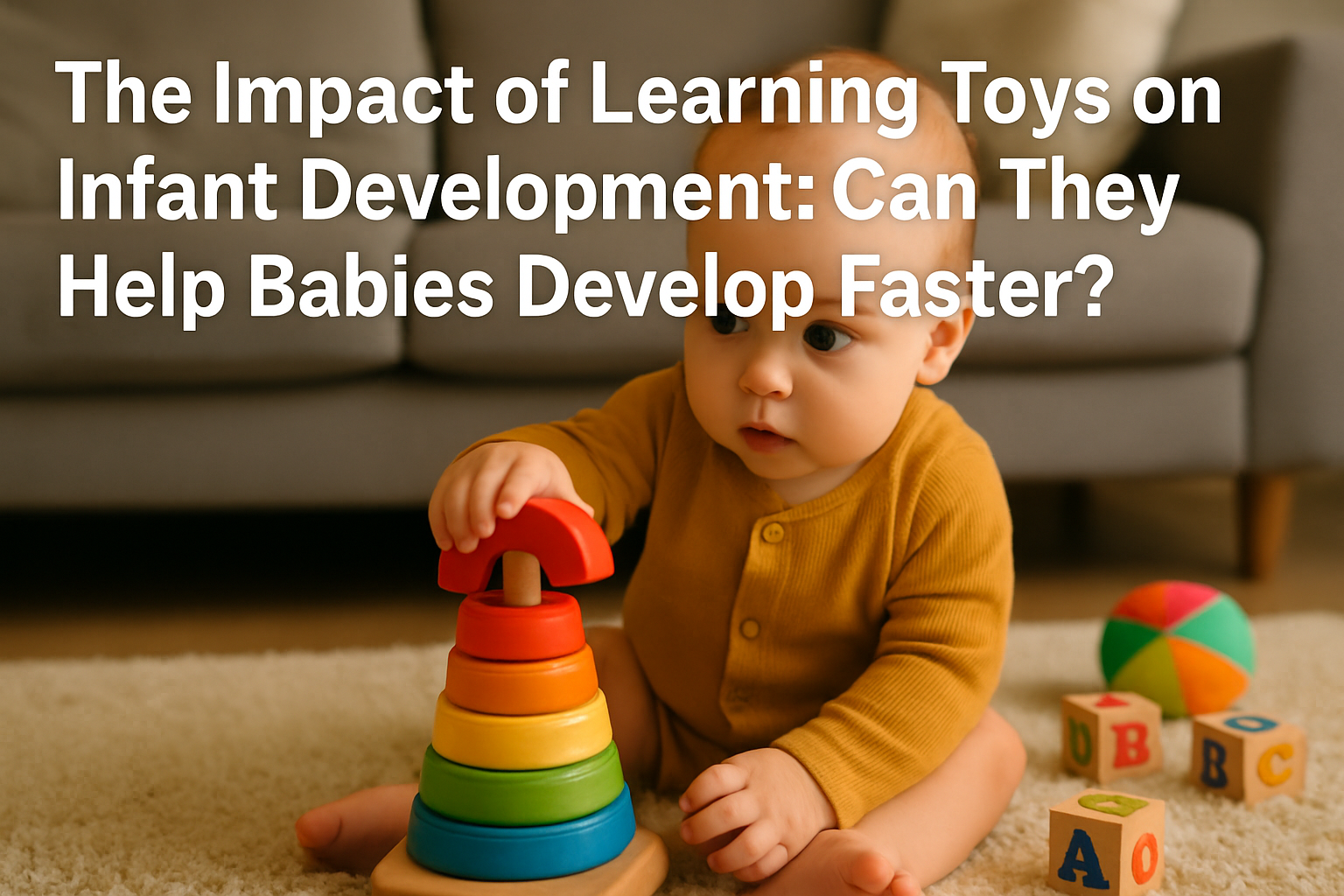

The early months of a child's life are a time of incredible growth and development. Learning toys play a vital role in this transformative period, significantly influencing infants' cognitive, emotional, and physical growth. These tools serve more than just entertainment—they foster skills that are essential for future learning and social interactions. With an array of sensory experiences, problem-solving opportunities, and interactive features, learning toys provide infants with the various stimuli they need to thrive.
Educational toys are not only designed to engage young minds but also to help children navigate their surroundings. Different types of toys—such as those that promote sensory exploration, or those that require manipulation—encourage tactile, auditory, and visual engagement. Through play, infants can experiment with cause and effect, hone their fine motor skills, and even begin to develop essential social skills through interaction with caregivers and peers. This multifaceted approach to play is what sets educational toys apart from conventional toys.
Moreover, the benefits of these toys are supported by research, which shows that engaging with learning toys aids in accelerated development. The hands-on experiences provided by such toys encourage infants to explore their environment actively. This active engagement cultivates a sense of curiosity and lays the groundwork for the foundational skills that they will continue to build upon as they grow. Thus, learning toys not only contribute to faster development but also create pathways for lifelong learning and adaptation.
Cognitive skills are foundational for the early years of an infant's life. These skills include memory, attention, problem-solving, and critical thinking, and they serve as the building blocks for future learning and understanding. Engaging with learning toys provides infants with the opportunity to sharpen these skills in safe and stimulating environments. For instance, educational toys that promote interaction and exploration are essential. When infants play with shape sorters, they begin to recognize shapes and sizes, which enhances their ability to categorize objects. This simple activity not only nurtures cognitive skills but also fosters creativity, allowing infants to experiment with different combinations and solutions.
Moreover, tailored toys play a significant role in enhancing specific cognitive skills. For example, interactive alphabet toys can help infants learn language and develop literacy skills at an early age. These toys often incorporate sounds and lights that react to the child's actions, making learning both fun and engaging. This hands-on approach encourages infants to explore concepts independently, promoting critical thinking as they navigate the cause-and-effect relationships between their actions and the toy's responses. Such interactions are vital in laying a strong cognitive foundation for future academic pursuits.
As infants grow, the complexity of the cognitive challenges they face should correspondingly increase. Toys that progress with a child's development can further enhance cognitive skills. Reasoning skills can be developed through puzzles that offer varying levels of difficulty, ensuring that playtime is both engaging and educational. Overall, learning toys are instrumental in nurturing cognitive development, equipping children with essential skills they will utilize throughout their lives.
Sensory exploration is a vital component of a child’s development, and toys are instrumental in facilitating this exploration. Infants are naturally curious and use their senses to learn about the world around them. Toys designed to stimulate various senses—sight, sound, touch—encourage children to engage fully with their environment. For instance, toys with different textures or vibrant colors enable sensory exploration that fosters neural connections crucial during the early development stages.
In addition to sensory experiences, toys also assist in developing fine motor skills. Activities like stacking blocks or manipulating small objects require coordination and control, reinforcing the development of hand-eye coordination. These fine motor skills are essential for later tasks such as writing and personal care. Movement-inducing toys, such as push toys and ride-ons, enhance overall physical health by encouraging mobility and physical activity. As infants push or pull these toys, they strengthen their muscles and improve balance, which is essential for subsequent stages of physical development.
Furthermore, toys specifically designed for sensory exploration can aid in building strength and improving motor control. For example, toys that encourage pulling, squeezing, or twisting not only stimulate the senses but also promote physical engagement that aids in muscle development. By incorporating toys that challenge infants to explore and manipulate their surroundings, caregivers can play a pivotal role in enhancing physical and sensory development, supporting a well-rounded growth experience.
Play is a central avenue through which infants experience emotional regulation and social growth. The interaction that occurs through play allows children to express themselves, learn about their emotions, and develop strategies to manage their feelings. Toys that encourage imaginative play, such as dolls or action figures, serve as powerful tools for children to navigate their emotional landscapes. Such toys enable children to create narratives, allowing them to explore different scenarios and emotions in a safe environment.
Additionally, shared play experiences are fundamental in developing social skills. When children play together with similar or complementary toys, they learn about cooperation, sharing, and taking turns. These interactions are crucial for building friendships and understanding social dynamics. As children engage in role-play, they also learn the importance of empathy and cooperation, essential skills in fostering healthy relationships throughout their lives.
Through the symbolic play that toys allow, infants also learn to express emotions and comprehend the feelings of others. Engaging with toys during playtime helps children practice responding to social cues and develops their ability to navigate complex social interactions. This type of play is not limited to solitary activity; rather, it provides an opportunity for children to bond with peers and caregivers, enriching their emotional and social development.
The progression from infancy to preschool marks various developmental milestones, each requiring different stimuli and support. During these early years, cognitive, physical, and social skills evolve rapidly, and toy selection can significantly influence this growth. Infants and toddlers require toys that correspond to their developmental stages, providing appropriate challenges and learning opportunities. For example, simple rattles may be suitable for infants, while toddlers may benefit from puzzles and interactive games that promote deeper cognitive engagement.
Choosing the right toys at different developmental stages can enhance children's abilities in crucial skill areas. Toys that stimulate cognitive and physical development reinforce skills critical at each phase. For instance, toys that facilitate problem-solving foster critical thinking as children grow older. Similarly, toys that encourage active play support motor skill development and coordination, both vital as children begin to walk, run, and explore their environments independently.
As children approach preschool age, the focus may shift towards toys that nurture collaboration and communication. Toys designed for group play can promote social interaction and teach important lessons about teamwork and joint problem-solving. By aligning toy selection with developmental milestones, caregivers can better support the cognitive, physical, and social growth of children, ensuring a well-rounded developmental experience that prepares them for more structured learning environments in the future.
Development during the early years is a fascinating journey marked by significant milestones and changes. From birth to 18 months, children undergo rapid growth and development across various domains, including physical, cognitive, emotional, and social aspects. Understanding these developmental stages is essential for caregivers and educators to provide the right support and resources that align with a child’s evolving needs. This knowledge can help tailor experiences that foster optimal growth and learning.
One of the key aspects of early development is recognizing the critical developmental needs at different ages. From birth to 6 months, infants primarily focus on sensory exploration and forming attachment bonds. During this stage, they benefit from toys that stimulate their senses, such as rattles with varied textures and sounds. These simple toys encourage hand-eye coordination and sensory integration, providing the foundation for future learning experiences. Moreover, engaging with caregivers through eye contact and responsive interaction fosters emotional security, which is vital for further development.
As children progress to the 6-12 month mark, their motor skills rapidly improve, leading to new opportunities for exploration. At this stage, infants typically begin to crawl and stand, prompting a shift in their play needs. Toys that encourage movement, such as push toys, can help enhance their gross motor skills. Furthermore, infants in this age range become increasingly curious about their environment. Offering interactive toys that promote cause-and-effect understanding supports cognitive development. Simple puzzles or stacking toys can enhance problem-solving skills while allowing children to engage in meaningful play.
Once children reach the 12-18 month age range, their social interactions and language skills begin to flourish. They start to express preferences and engage in more complex interactions, making this a prime time for both independent and social play. Toys that facilitate social interaction, such as shape sorters or dolls, invite shared experiences and foster cooperative play. Additionally, language-rich environments can be created through storytelling and singing, enhancing their vocabulary and comprehension. Overall, ensuring that play experiences are aligned with each developmental stage can result in enriching learning experiences that support the child’s growth holistically.
When selecting toys for infants, several key criteria need to be considered to ensure that the toys are not only safe but also beneficial for their development. Firstly, the toys should support sensory engagement, which is essential for infants as they explore the world around them. Infants learn through their senses—sight, sound, touch, taste, and smell—so toys that stimulate these senses can enhance their cognitive and physical development. Brightly colored toys, those with varied textures, and sound-producing items can help promote curiosity and exploration, which are crucial in the early stages of development.
In addition to sensory engagement, safety is of utmost importance. Toys for infants must be made from non-toxic materials, without small parts that could pose choking hazards. Soft, rounded edges are preferred to prevent injuries as infants often put toys in their mouths. Moreover, it is beneficial to choose toys that are easy to clean since infants are prone to drooling and teething. Consider toys that are washable or made from antimicrobial materials, making them safe and sanitary for frequent use.
Examples of safe and educational toys suitable for infants include those that encourage fine motor skills and cognitive skills. Soft building blocks can help develop hand-eye coordination, while toys that require pushing, pulling, or squeezing can enhance dexterity. Additionally, toys that involve cause-and-effect interactions, such as popping balls or instruments that make sounds when pressed, can stimulate cognitive processes. Books with textures or flaps encourage visual stimulation and promote early literacy as caregivers read to their infants. The goal is to select toys that can grow with the child, offering diverse learning experiences as they transition from infant to toddler.
Learning toys play a vital role in the early stages of a child's development. They offer a unique blend of stimulation and engagement that can significantly influence a baby’s growth. Sensory engagement is one of the primary benefits of these toys, evident through their captivating sounds, diverse textures, and vibrant visuals. When babies interact with learning toys, they engage multiple senses, which is fundamental in early brain development. This stimulation encourages children to explore their environment, enhancing their cognitive abilities right from the start.
For instance, toys that produce different sounds can draw a baby's attention, prompting them to look and listen. Textured toys allow infants to explore their sense of touch, helping them to recognize and differentiate various surfaces. Visual stimuli, such as bright colors and engaging shapes, not only attract a baby’s gaze but also promote visual tracking and focus. The effectiveness of learning toys in stimulating sensory experiences cannot be overstated; they cultivate an environment rich in discovery and learning.
As babies grow, language development becomes increasingly important. Learning toys are designed to support this critical aspect by helping infants recognize sounds and words from birth. Many educational toys incorporate various auditory features, such as melodies or spoken words, that support early language skills. These engaging sounds encourage babies to respond, babble, and eventually speak, laying the foundation for effective communication.
Moreover, toys that include songs or interactive elements contribute to a baby's understanding of language patterns and rhythms. Through play, infants can practice listening and responding, which are essential skills for language acquisition. By providing opportunities for verbal interaction, these toys promote language development not just in isolation but also in a social context, fostering bonding and communication between the child and their caregivers.
Cognitive and physical development are additional key benefits of learning toys. These engaging tools assist babies in developing vital skills, such as object permanence—the understanding that objects continue to exist even when they cannot be seen—and the cause-and-effect relationship. For example, toys that move or make noise only when a button is pressed help tiny explorers grasp cause and effect. Understanding these concepts is fundamental for cognitive growth, as it lays the groundwork for future reasoning and problem-solving abilities.
Furthermore, diverse play experiences offered by learning toys encourage exploration and experimentation, which are crucial for cognitive development. When children manipulate different toys, they encounter a variety of challenges that prompt them to think critically and adapt their strategies. This active engagement not only enhances their mental faculties but also supports physical development as they practice fine motor skills through grasping, shaking, or stacking various toys. Combining cognitive and physical play fosters a holistic growth approach, essential during a child's formative years.
Commercial educational toys are often viewed as valuable resources for enhancing children's learning experiences. These toys are specifically designed to promote cognitive, motor, and social skills, often drawing on expert research to cater to various developmental stages. Supporters of these specialized toys argue that their design features—such as bright colors, interactive elements, and educational themes—engage children more effectively than ordinary objects. The structured play they provide encourages children to explore and learn through guided interactions, potentially leading to better outcomes in key developmental areas.
Parenting forums reveal a mixed perspective on the effectiveness of commercial educational toys. While many parents appreciate the intention behind these products, some express skepticism about their actual educational value. Discussions often center around whether the high cost of these toys corresponds with their purported benefits. Many parents feel that the marketing messages can be misleading, leading them to purchase products that may not significantly enhance learning experiences compared to less expensive or even free alternatives. This raises an important question: do these toys genuinely provide unique educational experiences, or are they merely a product of clever branding and marketing?
Furthermore, the reliance on commercial toys can inadvertently overshadow the importance of engaging children with everyday items. Some parents have voiced concerns that by prioritizing specialized toys, they might miss opportunities to utilize readily available household objects that can foster learning in just as meaningful ways. Ultimately, while commercial educational toys can offer structured learning opportunities, their effectiveness varies by individual child and context, prompting the need for parents to carefully consider their choices and seek a balance that incorporates both commercial and everyday learning tools.
Household items offer a wealth of opportunities for educational play that can rival the benefits provided by commercial educational toys. Simple objects around the home can be repurposed for a variety of learning activities, enabling children to discover and learn through exploration and imagination. For example, pots, pans, and wooden spoons can be transformed into musical instruments, fostering creativity and rhythm. Similarly, containers of different shapes and sizes can be used for sorting and counting exercises. These engaging activities not only stimulate curiosity but can also enhance fine motor skills and problem-solving abilities.
The versatility of household items as educational tools underscores their potential to provide developmental outcomes similar to those claimed by specialized toys. Several studies suggest that open-ended play with common objects encourages children to experiment, test hypotheses, and develop critical thinking skills. Such experiences can be sustainable, as parents may not need to invest in additional toys. Instead, they can encourage their children to use their creativity and resourcefulness to learn and grow, all while engaging in fun-filled play with items already at home.
Moreover, using everyday objects for educational purposes fosters real-life learning experiences. Children learn about the world around them by using household items in imaginative scenarios. For example, a cardboard box can become a spaceship, promoting imaginative storytelling and role-play, while a collection of old magazines can serve as material for a crafting project, enhancing fine motor skills and artistic expression. This approach not only facilitates learning but also strengthens family bonds as parents and children engage together in these creative activities, further underscoring the significance of ordinary objects in a child's education journey.
Selecting the right toys for babies is more than just a fun shopping venture; it’s about nurturing their growth and development. Toys serve as essential tools in a child's learning journey, facilitating cognitive, emotional, and social skills. Understanding the principles behind toy selection can make all the difference in providing a balanced, enriching experience for infants as they explore and interact with the world around them.
When selecting toys for babies, it's vital to choose those that align with their developmental stages. Each age group has unique needs and capabilities, and matching toys to these can significantly enhance their learning. For instance, sensory toys are ideal for newborns, as they stimulate the senses—sight, sound, and touch. Textured rattles, soft blocks, and contrasting patterns can engage their attention and encourage sensory development.
As infants grow and reach the older stages of infancy, toys that promote problem-solving become essential. Toys with multiple functions or those that incorporate basic problem-solving elements help develop critical thinking skills. For example, simple shape sorters and stacking rings not only challenge infants but also foster fine motor skills and hand-eye coordination. By understanding the typical milestones of infant development, caregivers can choose toys that not only entertain but also promote growth, ensuring that each toy serves a purpose in enhancing a child’s developing mind and body.
Furthermore, keeping an eye on developmental benchmarks can guide caregivers in making informed choices. As children approach the one-year mark, they typically start to engage in more interactive play. Choosing toys that promote cause-and-effect relationships, such as pop-up toys or toys that make sounds when activated, can encourage exploration and social interaction with caregivers, making playtime both informative and enjoyable.
In today's fast-paced world, it may be tempting to rely on toys that provide passive entertainment. However, prioritizing engagement is crucial for cognitive and social development. Active engagement in play allows babies to explore, create, and imagine, fostering critical thinking and problem-solving skills. Toys that require manipulation, interaction, and involvement are far more valuable than those that simply light up or make noise without requiring any action from the child.
For instance, toys that encourage movement, such as push toys or crawling tunnels, invite infants to be physically active. This not only supports physical development but also enhances cognitive connections through exploration. Engaging toys require infants to make decisions, which promotes brain development as they learn about their environment. Desirable toys are those that spark curiosity and prompt infants to dig deeper, rather than those offering passive, immediate gratification.
Moreover, engagement with toys improves social skills as babies naturally interact with their caregivers and others. When adults join in on the play, they can help guide the learning process, thus reinforcing the baby’s skills through shared experiences. This social aspect of play is essential, as it nurtures emotional intelligence and the ability to collaborate. By choosing toys that foster this interaction and engagement, caregivers can create meaningful learning moments and enhance the child's overall development.
Safety is paramount when selecting toys for babies. As infants explore their environment, they often put toys in their mouths, making it crucial to choose age-appropriate options that comply with safety regulations. Toys should be made from non-toxic materials and free from small parts that could pose choking hazards. By prioritizing safety, caregivers create a secure space where babies can play and learn without unnecessary risks.
Additionally, it’s essential to consider the durability of toys. Babies are often rough with their playthings, so selecting sturdy, well-constructed items can ensure they withstand the rigors of infant play. Safety labels and certifications offer peace of mind, guiding caregivers toward toys that have been tested for harmful substances and potential hazards.
In conjunction with safety, suitability ensures that the toys not only meet safety standards but are also appropriate for the infant's developmental stage. Considering both aspects when selecting toys helps create a balanced learning environment. A well-chosen toy will engage a baby while posing no risks, allowing them to explore freely and safely. Ultimately, the right toys act as gateways to learning, ensuring that each interaction supports their growth while keeping safety a top priority.
Interactive toys play a vital role in promoting cognitive development by stimulating exploration and discovery among young children. These toys often come with features that encourage children to engage their curiosity, which is fundamental for learning. For instance, toys that involve stacking, sorting, or assembling present children with varied challenges that compel them to think critically. By interacting with these toys, children learn to experiment, hypothesize, and deduce outcomes based on their actions, thereby enhancing their problem-solving skills.
Additionally, sensory exploration is key to understanding object properties, which is often facilitated by interactive toys. Toys that include different textures, colors, and sounds captivate children's senses, allowing them to explore and learn about the world around them. For example, when children touch a soft surface or listen to a sound-activated toy, they start to understand the relationship between their actions and the resultant effects. This sensory interaction lays the groundwork for cognitive functions such as memory recall and categorization, which are essential for later academic skills.
Moreover, puzzles and building blocks are two types of interactive toys that exemplify effective cognitive development tools. Puzzles challenge children to think critically and develop spatial awareness as they figure out how pieces fit together. Meanwhile, building blocks foster creativity and problem-solving by allowing children to experiment with construction and balance. Engaging with such toys not only enhances cognitive skills but also develops persistence, as children learn to overcome challenges, try different strategies, and think of solutions when faced with setbacks.
Interactive toys contribute significantly to emotional growth, especially through the medium of pretend play. By engaging in role-playing with interactive toys, children learn to navigate various social scenarios and develop empathy. For example, when children take on different character roles during play, they practice recognizing and responding to emotions in themselves and others. This type of play is essential for developing social skills and helps them understand the perspectives of their peers.
Furthermore, pretend play facilitated by interactive toys encourages children to explore social roles and responsibilities. As they mimic real-life situations— such as playing house or store—children gain insight into community dynamics and interpersonal relationships. This imaginative play not only promotes communication and collaboration with peers but also instills a sense of cooperation as they must negotiate roles and settle conflicts. Through these interactions, children build vital social skills that will serve them throughout their lives.
In essence, the combination of cognitive and emotional development fueled by interactive toys creates a holistic environment for children’s growth. As children play, they practice expressing their feelings, develop their identities, and learn critical social cues. This growth fosters their ability to build relationships, handle social situations, and understand their place in diverse communities. Thus, interactive toys are essential not only for intellectual stimulation but also for nurturing the emotional resilience that is crucial for healthy interpersonal connections.
Learning toys play a significant role in a child's early development. These toys are specifically designed to stimulate children’s curiosity and support their cognitive, social, and physical skills. The main purpose of learning toys is to promote developmental milestones through engaging play that is both educational and fun. This is particularly important in the early stages of a child's life, where exploration leads to significant growth.
When selecting learning toys, safety should be a top priority. Parents and caregivers should choose toys made from non-toxic materials, free of harmful chemicals that could pose a risk to infants. Additionally, it’s essential to assess the size of toy components to avoid any choking hazards. Toys should not have small parts that infants can detach or swallow. By prioritizing safety and quality, caregivers can ensure that the toys provide a secure environment for infants to explore and learn.
Understanding these parameters can guide parents in making informed decisions about the types of toys they provide for their children. By investing in high-quality learning toys, they foster a safe and enriching environment that encourages exploration and learning. This foundation sets the stage for the development of critical skills and cognitive functions as the child grows.
For infants aged up to 6 months, sensory development is a key focus. This is where toys such as rattles and teething toys come into play. Rattles are excellent for stimulating auditory senses as infants enjoy exploring sounds through shaking. Teething toys, on the other hand, provide comfort during a challenging time of infancy. They help soothe sore gums while also encouraging infants to grasp and manipulate objects, thereby improving fine motor skills.
Additionally, noise-making toys will effectively captivate the attention of infants by stimulating their auditory senses. These toys can promote emotional responses and encourage infants to reach and respond, paving the way for further physical coordination. The interaction with these toys lays the groundwork for cognitive development through cause-and-effect understanding as infants learn that their actions produce specific reactions.
Moreover, caregivers can enhance the experiences with these toys by engaging in playtime alongside infants. Simple actions, such as shaking a rattle or mimicking the sounds of a noise-making toy, can foster bonding and encourage communication. Through these interactions, infants not only learn about the toys themselves but also about social cues and the joy of shared experiences.
As infants transition to the 7 to 12 months age range, their play needs evolve. At this stage, toys that allow for greater exploration and imagination are ideal. Large beads for dropping can help develop hand-eye coordination and fine motor skills as infants learn to grasp and release objects of different sizes and weights. This interaction encourages problem-solving and understanding of spatial relationships.
Baby dolls and figures can also become wonderful companions, stimulating imaginative play. Infants begin to imitate actions seen in adults and environment, and dolls can provide a safe avenue for expressing emotions and social interaction. Such play promotes empathy and understanding as infants begin to mimic nurturing behaviors.
Additionally, push-and-pull toys can further enhance physical abilities by encouraging movement and coordination. As infants pull or push these toys across different surfaces, they gain strength and balance. This activity not only supports physical development but also encourages exploration of their surroundings as they gain confidence in their mobility. Ensuring that these toys are appropriately sized and constructed safely will provide both security and enjoyment for growing infants. Overall, the right toys during this stage cultivate a blend of imagination, physical skill, and emotional growth.
Educational toys offer numerous benefits that enhance the developmental journey of infants. They promote cognitive growth by encouraging problem-solving and critical-thinking skills. Through play, children engage in hands-on learning experiences that stimulate their curiosity and spark imagination. The multifaceted nature of educational toys aids in developing various skills including motor skills, coordination, and social interaction. For instance, toys that require building or sorting can help improve spatial awareness and fine motor development, which are essential in early childhood growth.
Moreover, the overall impact of these toys on infant growth and development cannot be overstated. Delving into the world of educational toys allows children to participate in creative and imaginative play, fostering an atmosphere of exploration and discovery. The engagement with such toys can lead to enhanced emotional and social skills, as children learn to share, collaborate, and communicate with their peers during playtime. Therefore, these toys serve as not just tools for entertainment, but as instruments for fostering comprehensive development that will have lasting benefits as children transition into later stages of learning.
Encouraging parents to thoughtfully choose educational toys is vital. It is essential for caregivers to be mindful of the kinds of toys they introduce to their children. Selecting toys that align with the child’s developmental stage and interests can significantly enhance their learning experience. Parents should be aware of the varying stages of cognitive and physical development when making choices, as the right toys can inspire creativity, promote interaction, and build foundational skills for the future. Ultimately, an intentional approach to selecting educational toys holds the promise of nurturing well-rounded, capable, and curious individuals who are well-prepared for the challenges ahead.



Introduction and OverviewThe early months of a child's life are a time of inc...
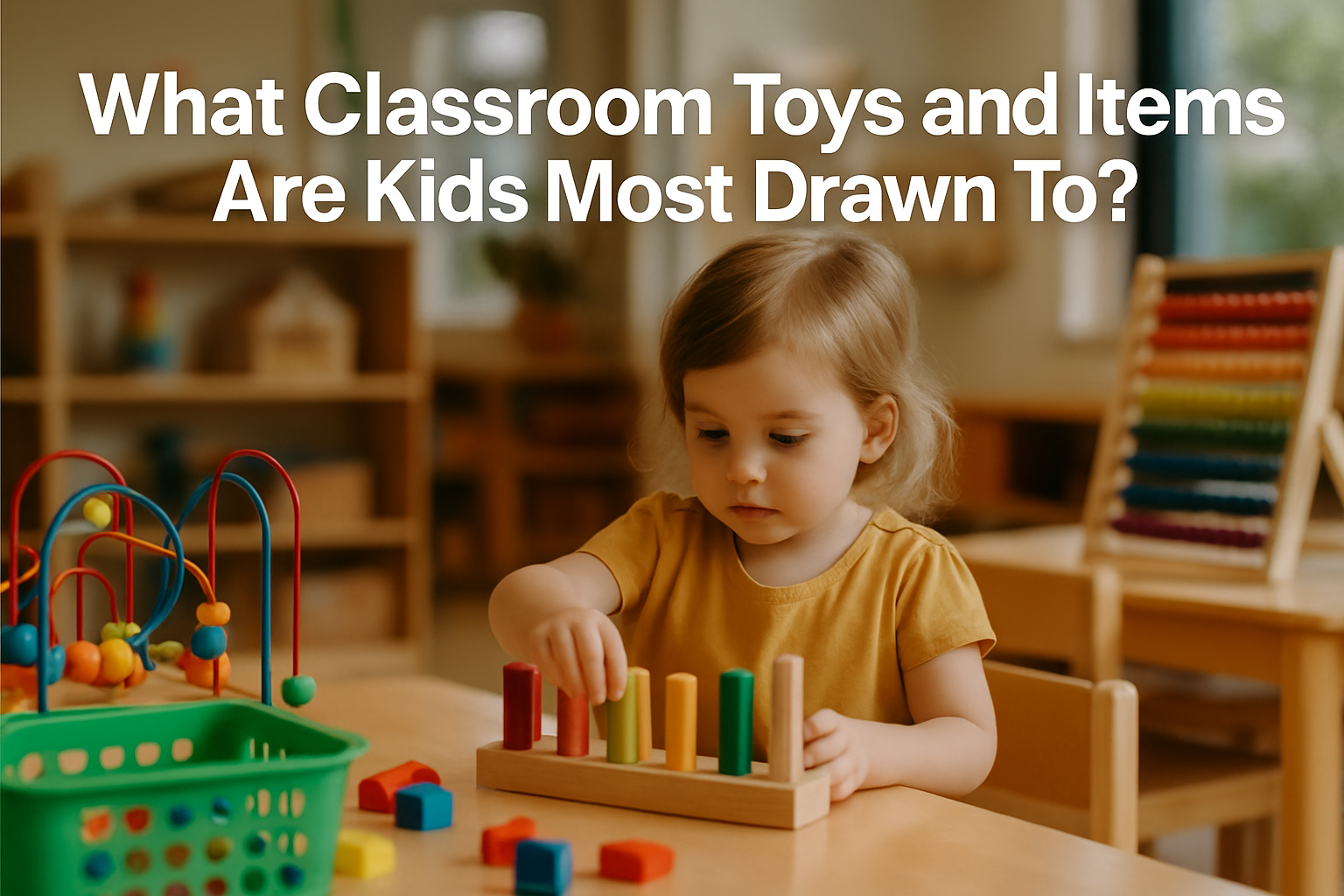

Introduction and OverviewThe early months of a child's life are a time of inc...