25 Coolest Gifts for Grandchildren in 2026
IntroductionEducational toys play a pivotal role in the growth and developmen...

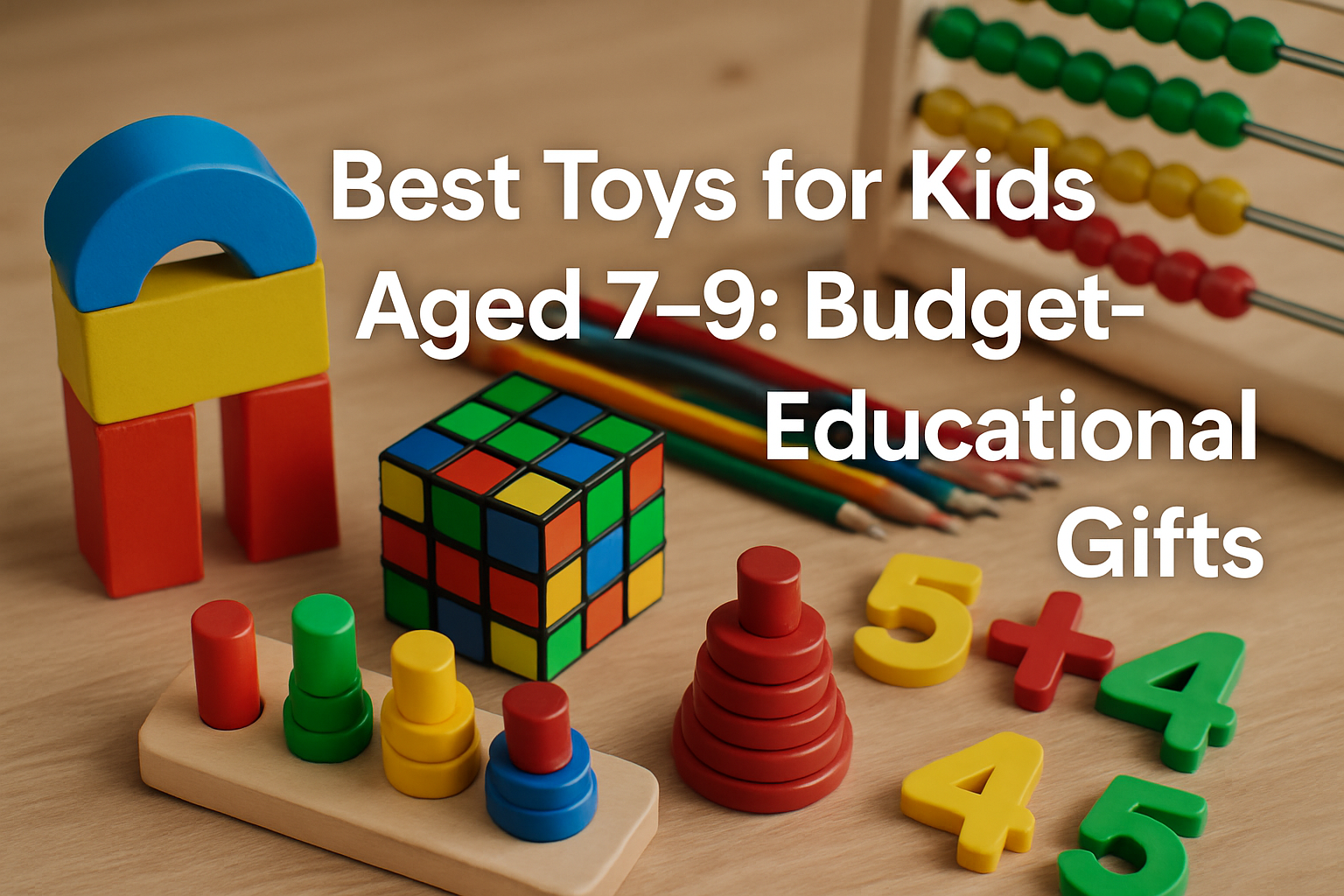

Educational toys play a pivotal role in the growth and development of children aged 7 to 9. At this stage, kids are actively expanding their knowledge, honing their skills, and discovering their interests. The right educational toys can significantly enhance this developmental journey, offering benefits that go far beyond mere entertainment. They foster critical thinking, nurture creativity, improve problem-solving abilities, and encourage active engagement with new concepts. Children learn best when they are having fun, and educational toys make learning both exciting and effective, paving the way for lifelong learning habits.
Moreover, budget-friendly educational toys can provide immense value without breaking the bank. Many affordable options are designed with the same educational principles in mind as higher-priced counterparts. These toys often incorporate innovative designs that stimulate young minds while remaining accessible financially. Parents can rest easy knowing they are making wise investments in quality toys that promote learning and growth. The educational aspect is crucial; these toys assist in building foundational skills that will serve children as they advance through their academic careers.
Understanding the variety of educational toys available and their benefits can empower parents to make informed choices. As children develop their motor skills, problem-solving abilities, and social skills, they benefit from toys that engage them in learning through play. Selecting budget-friendly options does not mean sacrificing quality or educational value. In fact, with a little research and thoughtful consideration, it is possible to discover an abundance of affordable toys that effectively support a child's educational journey.
Affordability plays a significant role in the decision-making process when selecting toys for children. With many families operating within a tight budget, finding quality educational toys that do not stretch finances is paramount. The marketplace offers countless options, and while it is tempting to opt for the cheapest, parents should carefully assess products for their educational value. This involves looking beyond the price tag and considering the design, materials, and underlying educational principles of each toy.
To identify quality educational toys without overspending, parents can begin by researching different types of educational toys. Reading reviews, seeking recommendations from educators, and visiting local toy libraries can provide insights into durable and beneficial toys. Additionally, observing how children interact with toys can reveal their true educational impact. Toys that encourage hands-on learning, such as building sets, science kits, and interactive games, typically provide more significant benefits in terms of skill development compared to purely entertainment-focused toys.
Another effective strategy for budget-conscious parents is to explore options such as community toy swaps, garage sales, and thrift stores. These avenues often offer opportunities to obtain high-quality educational toys at a fraction of the retail price. Furthermore, many educational toys maintain their value over time, making second-hand purchases a wise choice. By staying informed and resourceful, parents can find exciting toys that foster learning while keeping their budget intact.
STEM toys are designed to foster interest and knowledge in the fields of Science, Technology, Engineering, and Mathematics. These toys play a vital role in a child's development, as they encourage problem-solving, critical thinking, and analytical skills. In today's technology-driven world, fostering an early enthusiasm for STEM subjects can set a strong foundation for future learning and career opportunities. These toys often involve hands-on activities that make learning engaging and enjoyable, helping children to grasp complex concepts in a playful environment.
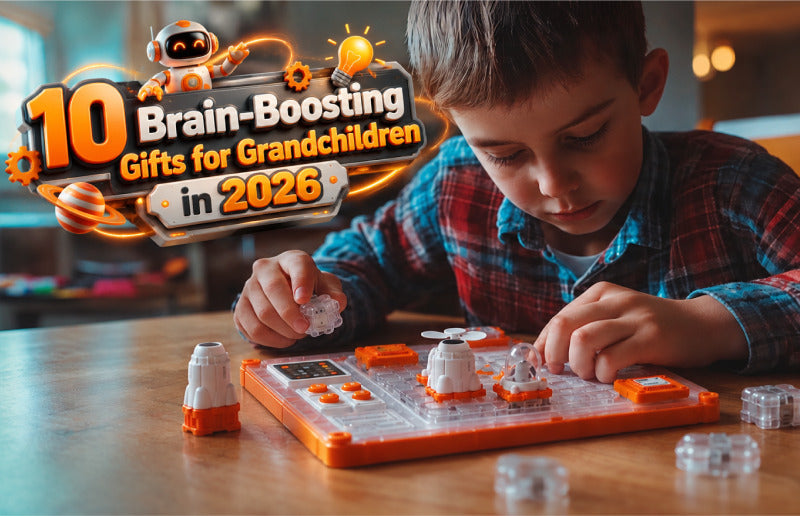
When selecting budget-friendly STEM toys for children, it's essential to focus on those that provide interactive experiences without breaking the bank. Building kits are an excellent option as they can offer endless hours of play while teaching kids essential concepts like balance, strength, and structure. Similarly, simple robotics kits can introduce programming basics in a fun way, allowing children to create and control their own devices. Additionally, science experiment kits using everyday materials can ignite curiosity and encourage scientific exploration right at home. These toys not only entertain but also nurture intellectual growth in a cost-effective manner.
Moreover, many STEM toys leverage the possibilities of virtual learning, providing resources that complement hands-on activities. Board games that require players to strategize and analyze outcomes can also serve as affordable STEM tools. Incorporating everyday life scenarios into play has proven to enhance children's understanding and retention of STEM concepts, making these toys an essential part of early education.
Creativity is an integral component of a child's development, nurturing their ability to express themselves and think outside the box. Artistic toys play a significant role in this endeavor, as they provide children with the tools to explore their imagination and harness their creative potential. Engaging with various forms of art not only enhances fine motor skills but also promotes emotional intelligence and critical thinking. When children engage in artistic play, they learn to communicate their ideas visually, which can significantly boost their confidence and self-esteem.
Budget-friendly artistic toys can vary widely, ensuring that there are options suitable for every family. Simple art supplies like colored pencils, crayons, and watercolor sets allow children to experiment with colors and techniques without significant financial investment. Moreover, craft kits that involve simple materials can encourage children to follow directions and think creatively as they piece together their projects. Introducing collaborative art projects can also lead to social interaction, as children learn to work together and appreciate each other's unique perspectives.
Additionally, there are various budget-friendly options that encourage creativity while incorporating educational elements. For example, toys that allow children to create their own stories or visualize characters contribute not only to artistic skills but also to language development. The integration of arts into the early learning environment significantly enhances cognitive capabilities and emotional understanding, making artistic toys a vital resource for parents seeking to nurture creativity on a budget.
Cognitive development toys focus on enhancing a child's intellectual growth through activities that challenge their thinking and problem-solving abilities. These include puzzles, strategy games, and memory games, which are explicitly designed to strengthen cognitive skills. Engaging with such toys helps children improve their concentration, attention span, and memory, laying the groundwork for effective learning and reasoning abilities in the future. These toys often present children with age-appropriate challenges that require logic and critical thinking to overcome.
There are numerous examples of cost-effective cognitive development toys that can be easily integrated into a child's learning routine. Simple jigsaw puzzles can captivate young minds, encouraging them to think critically and visualize outcomes as they fit pieces together. Likewise, board games that involve strategy foster cooperative play, where children learn to plan their moves while managing risks. Memory games can also enhance recall and recognition, making them an enjoyable and educational experience that can be shared with family and friends.
Increasingly, the concept of cognitive skills development is being blended with other play methodologies to enhance overall development. Toys that challenge children to create solutions in real-time encourage innovation and adaptability. Engaging with cognitive development toys not only entertains but also prepares children for academic success, reinforcing essential skills in a fun and interactive way. By providing a variety of these toys within reach, parents can ensure their children have the resources they need to develop critical cognitive abilities cost-effectively.
When selecting educational toys, there are several key factors that should guide your choice. Age appropriateness is paramount; toys should match the developmental stage of the child to ensure they can engage with and benefit from the toy effectively. For instance, young toddlers require toys that enhance their motor skills, while older children might benefit from toys that promote problem-solving and critical thinking. Safety standards must also be a primary consideration, as toys should be free of harmful materials and small parts that could pose a choking hazard. Be diligent in checking for safety certifications or labels that indicate compliance with relevant safety regulations.
In addition to age and safety, the educational value of the toy versus its entertainment value is essential. While educational toys are designed to promote learning, they should also engage children’s interests. Toys that combine fun and learning can enhance a child's educational experience, enabling them to absorb knowledge while playing. For instance, a toy that teaches numbers or shapes through interactive play can provide significant learning benefits while keeping a child entertained. This balance will encourage children to play longer, thus maximizing their learning opportunities.
Moreover, consider the versatility of the toy. Toys that can be used in multiple ways or have different stages of play can grow with a child, providing ongoing engagement and preventing them from becoming quickly obsolete. Look for toys that inspire creativity and encourage imaginative play, as these have been shown to foster problem-solving skills and emotional intelligence. By carefully considering these factors, parents can make informed decisions that will lead to enriching play experiences for their children.
For budget-conscious parents, selecting educational toys doesn't have to break the bank. One effective strategy is to keep an eye out for sales and discounts, especially during seasonal events or major shopping holidays. Many retailers offer significant markdowns on educational toys during these times, making it easier to find quality options at better prices. Additionally, online platforms often provide discounts or bundles that can help stretch your budget further. Subscribing to newsletters from toy retailers can also provide notifications of upcoming sales.
Another savvy tip is to explore second-hand options. Many educational toys are well-constructed and can be found in excellent condition at second-hand shops, garage sales, or through online marketplaces. These venues often sell toys for a fraction of the retail price, allowing parents to access high-quality educational materials without spending much. Always inspect used toys thoroughly to ensure they meet safety standards and are in good condition before purchasing.
Community initiatives like toy swaps and programs can offer excellent alternatives for parents looking to save money. Participating in local community exchanges allows families to trade toys that their children have outgrown for something new. This not only benefits the wallet but also fosters a sense of community. Many neighborhoods or parenting groups host such events, promoting sustainability and resourcefulness. Through these various methods, parents can find suitable educational toys that align with their budget while still prioritizing their child's learning and development.
Educational toys play a pivotal role in fostering a love for learning among children. By engaging with toys designed for education, kids become active participants in their learning journeys. These toys often come with interactive elements that stimulate curiosity and encourage exploration. For example, toys that incorporate problem-solving or critical thinking skills can lead to a strong foundation in basic concepts such as mathematics, science, and language. When children see learning as a fun and enjoyable experience, it sets the stage for a lifelong passion for knowledge.
Role-playing and imaginative play also significantly contribute to child development. Through these activities, children can explore different scenarios, understand varying perspectives, and express their thoughts and emotions. Educational toys that allow for role-playing—such as those that simulate real-world professions or situations—empower children to narrate their own stories. This kind of imaginative play promotes cognitive development, enhances creativity, and improves communication skills. Children learn to collaborate and negotiate roles within their play scenarios, which further enriches their imaginative capabilities.
Moreover, as children engage in imaginative play, they develop critical social-emotional skills. They learn to navigate their feelings and those of others, gaining empathy and understanding through interaction with peers. This blend of imaginative and educational play forms a comprehensive approach to development, where knowledge gained through toys translates into real-life skills and emotional intelligence. Consequently, educational toys not only serve to educate but also to nurture a child's creativity and social competence.
Group play with educational toys significantly enhances social interaction among children. When kids come together to play, they are not just having fun; they are also learning vital social skills. Sharing toys, taking turns, and cooperating with one another are fundamental aspects of social interaction that can be cultivated through group play. Engaging in cooperative activities helps children understand the dynamics of teamwork, where they learn to respect each other's ideas and contributions. These experiences build a foundation for healthy relationships both in childhood and later in life.
The role of cooperative games in building teamwork skills cannot be understated. When children are involved in activities that require collaboration, they must communicate effectively to achieve common goals. These games often necessitate strategic thinking and problem-solving as a team, allowing children to learn how to balance individual contributions with group objectives. Furthermore, such experiences boost self-esteem and promote resilience, as children often face challenges together, supporting one another in the face of adversity.
In addition, social play allows children to navigate conflicts in a safe environment. When disagreements arise, they learn how to resolve them through conversation rather than confrontation. These early lessons are essential for developing patience and negotiation skills. Through repeated interactions, children build trust and friendship, which are the cornerstones of effective social relationships. Educational toys bring children together in a constructive manner, enhancing their ability to connect with peers and equipping them with the social tools needed for future success.
Selecting budget-friendly educational toys presents a myriad of benefits for both parents and children. These toys can significantly aid in cognitive development, enhance problem-solving skills, and promote creativity—all while keeping expenses in check. Affordable toys often come with the same educational value as their higher-priced counterparts, making them an excellent choice for resource-conscious families. Additionally, parents can motivate their children to engage in imaginative play without the pressure of overspending.
Moreover, by prioritizing educational value over brand recognition, parents are equipped to make informed decisions that will foster their children's growth. Early childhood is a critical time for learning, and selecting toys that stimulate curiosity and engagement can lead to long-term academic success. By focusing on the educational aspects and developmental benefits of toys, parents can cultivate an enriching environment that supports their children's learning through play.
Ultimately, the emphasis on selecting affordable educational toys emphasizes the importance of thoughtful purchasing decisions. It encourages parents to view toys not merely as playthings but as valuable assets in fostering their children’s development. This mindful approach not only enhances the child’s learning experience but also allows families to allocate their resources wisely, ensuring that educational play remains accessible for everyone.
To inspire continued learning at home, parents can create play-based learning opportunities that extend beyond the confines of the toys themselves. Simple activities such as storytime, DIY projects, or outdoor exploration can foster curiosity and critical thinking skills in children. For example, encouraging children to help with baking can teach them about measurements, science, and following instructions—all through fun and engaging experiences. These activities reinforce the educational principles behind the toys and show that learning can occur in various settings.
Sharing experiences with educational toys can also build a supportive community among parents. Inviting friends or family members over for playdates allows parents to exchange ideas and strategies that have worked for them. Discussing which toys sparked the most interest or generated the most engagement can provide valuable insights for all involved. Establishing a community of like-minded parents can enhance the journey of educational growth and make learning a collaborative and joyful experience.
Ultimately, the goal is to foster an environment where learning feels natural and fun. By incorporating educational play into daily routines and encouraging dialogue among parents, educational exploration becomes a shared adventure. Parents should remember that the journey of learning does not end with purchasing the right toys; it continues through active engagement, discussion, and ongoing exploration of new ideas and experiences in everyday life.



IntroductionEducational toys play a pivotal role in the growth and developmen...

IntroductionEducational toys play a pivotal role in the growth and developmen...